Note: This is a research-based guide prepared with AI assistance; no visit or hands-on test was conducted.
November in Utah presents a distinct set of operational challenges and opportunities for the road-tripping traveler. As the state transitions from the peak activity of late summer into the colder, more unpredictable climate of early winter, the standard “see-it-all” itinerary becomes a liability. The combination of early-season snow in the northern Wasatch Mountains and the potential for volatile weather in the southern red rock deserts requires a shift in strategy. Rather than attempting to traverse the entire state, the most effective approach for a November journey is to adopt a regional basecamp framework. This method prioritizes depth over distance, ensuring that travelers remain within reach of essential services while minimizing the risks associated with long-haul transit across varying climates.
The Strategic Regional Basecamp Framework
Utah’s geography is vast and diverse, spanning from the salt flats and high-altitude mountain ranges of the north to the iconic red rock canyons of the south. According to the Utah Office of Tourism, attempting to experience the entire state in a single trip is difficult without a multi-week commitment. For a November itinerary, which is inherently constrained by shorter daylight hours and fluctuating temperatures, selecting a single region is the most responsible planning decision.
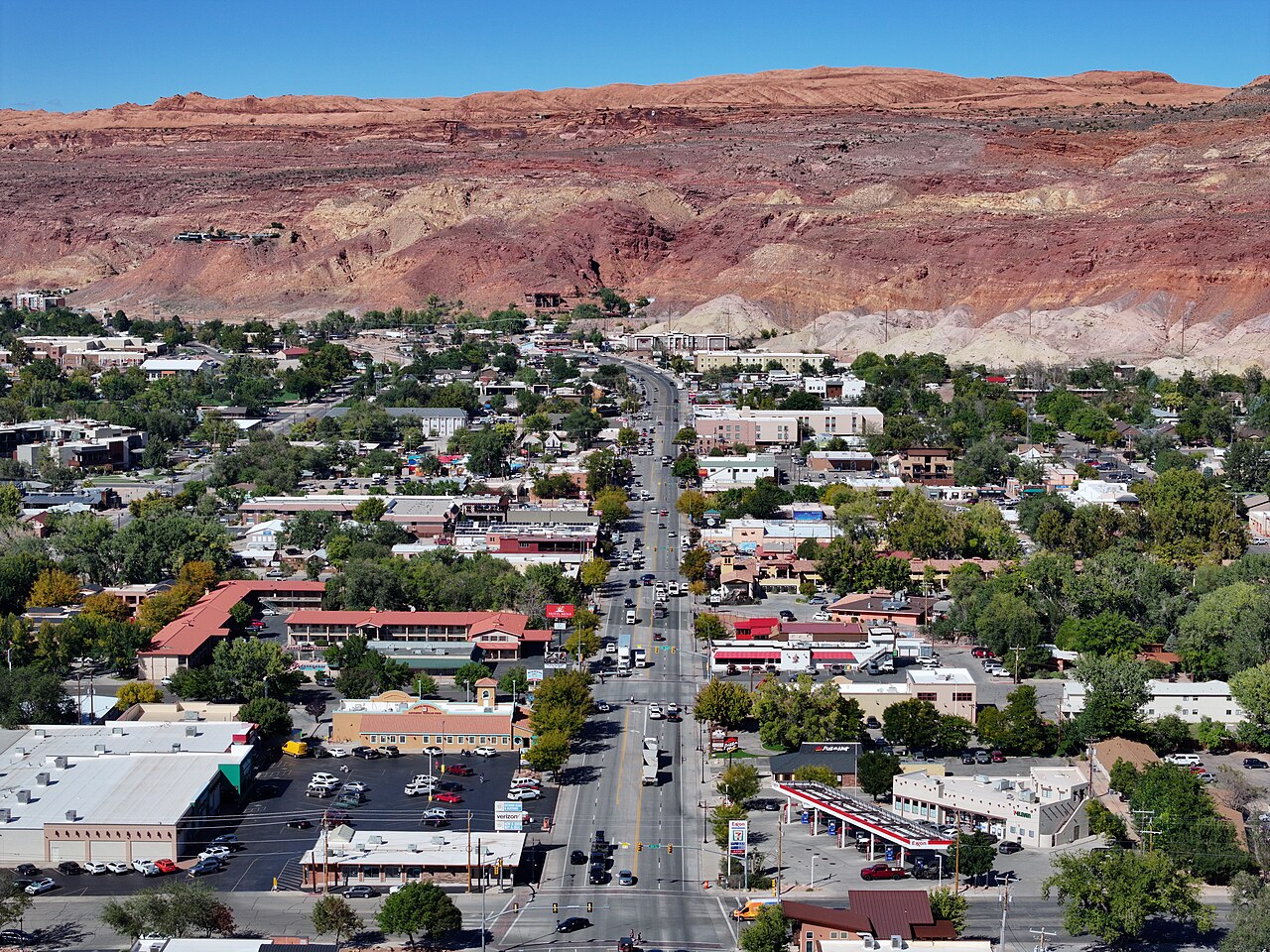
By establishing a basecamp town, you gain access to local amenities and, crucially, localized insider knowledge that is often unavailable when moving between hotels daily. For Northern Utah, cities like Salt Lake City, Park City, or Ogden serve as optimal hubs for accessing mountain recreation. In Southeastern Utah, towns such as Moab, Monticello, or Bluff provide the necessary infrastructure to explore the “Mighty 5” national parks and surrounding monuments. Southwestern Utah, with gateway towns like St. George, Springdale, Kanab, and Torrey, allows for a more relaxed exploration of alpine forests and red rock canyons. For further context on mitigating risks during this transitional period, travelers should consult our guides on Strategic Road Trip Planning: A Late-Autumn Safety Guide and Utah Road Trip Strategy: The Late-Autumn Transition.
Managing Late-Autumn Weather and Flood Hazards
While spring is frequently associated with snowpack runoff, November in Utah remains subject to volatile weather patterns. Storms can manifest rapidly, increasing the potential for fast-moving rivers and localized flash flooding, particularly in the desert regions. The Utah Flooding Updates & Safety Tips resource emphasizes that flood risks are not strictly a seasonal concern but require constant vigilance. Travelers must understand that weather windows are never guaranteed and that environmental conditions can change instantly.
A proactive safety framework is essential for any November road trip. This involves more than just checking a weather app; it requires a commitment to local alerts and physical road conditions. If you encounter flooded asphalt, the official guidance is clear: turn around immediately. As little as six inches of moving water can compromise a vehicle’s stability, and dry washes should never be utilized as campsites, as they are the natural, historical paths for flash floods. Furthermore, travelers should keep children and pets away from swollen rivers and waterways, as the cold, fast-moving flows present significant drowning risks even in areas that appear shallow.
Essential Safety and Planning Checklist
- Monitor Real-Time Data: Use the Utah Department of Transportation (UDOT) app and local county emergency alerts to track road conditions before departing each morning.
- Respect the Terrain: Avoid entering narrow or slot canyons when storms are in the forecast, regardless of how clear the sky appears at the trailhead.
- Verify Access: Always confirm with a local visitor center or ranger station if specific trails or park gates remain open for the season.
- Prioritize Distance: Keep children and pets away from swollen rivers; cold, fast-moving flows present significant drowning risks.
- Never Drive Around Barriers: Obey all physical closures; they are placed for your safety.
Operationalizing the Itinerary
The most successful road trips in November are those that account for the reality of the “shoulder season.” This means shorter daylight hours, unpredictable temperatures, and the need for flexibility. Utilizing official resources is the most effective way to manage these constraints. The Free Utah Travel Guides & Official State Info provide downloadable PDFs and highway maps that are indispensable for navigating rural stretches where cellular service may be intermittent.
When building your itinerary, treat arrival and departure days as real travel days, and resist the urge to overbook. A “slow travel” approach—spending more time in one basecamp rather than chasing every scenic pull-off—is particularly effective in November. This allows you to pivot your plans if a sudden storm closes a road or restricts trail access. By focusing on a single region, you also support local communities and reduce the environmental impact of constant transit across fragile desert landscapes. Remember, the goal of a November trip is not to check every box, but to connect with the landscape in a way that is responsible, safe, and sustainable. Always stop by local ranger stations upon arrival; they are the best source for verifying trail accessibility, road gate openings, and current weather windows safely and responsibly.
Representative photo illustrating a regional basecamp town with local infrastructure and amenities to support a strategic road trip. Photo: Quintin Soloviev / Wikimedia Commons · CC BY 4.0. Resized for display. Sources checked November 4, 2026.
Advertisement · From our publishing familyDiscover something new ↗