Note: This research-based guide was prepared with AI assistance. No physical visit or hands-on test of these routes or facilities was conducted. Travelers should verify all local conditions prior to departure.
November in Utah is a month of distinct logistical transitions. As the state moves from the peak autumn shoulder season into early winter, the accessibility of its diverse landscapes—from the alpine Wasatch Front to the red rock deserts of the south—shifts rapidly. A successful road trip during this window requires more than a simple itinerary; it demands a strategy built on regional focus and environmental resilience. By understanding the specific operational requirements of the season, travelers can avoid the pitfalls of over-ambitious routing and seasonal closures.
The Regional Basecamp Strategy
Utah’s geography is expansive, and attempting to traverse the entire state in a single November week often leads to logistical fatigue. According to the official Utah Travel Guide, the state is best experienced by selecting a single region or basecamp town. This approach allows travelers to adapt to localized weather patterns rather than attempting to outrun them across hundreds of miles. For instance, Northern Utah offers a transition into early winter sports and mountain access, while Southeastern Utah—home to Moab and the Mighty 5 national parks—remains a primary draw for desert exploration.
By anchoring your trip in one location—such as St. George, Moab, or Salt Lake City—you reduce the daily mileage, which is critical when managing road trip fatigue and potential seasonal closures. As outlined in the Utah Trip Planner, each region has a recommended trip length. For Northern Utah, two days are suggested for Salt Lake City, with additional days for surrounding areas like Park City or Bear Lake. In contrast, Southwestern Utah requires a longer commitment—roughly six days—to fully experience the three national parks in that region. Adhering to these regional timelines prevents the common error of spending more time in the vehicle than at the destination. A well-planned, region-specific itinerary ensures that if a winter storm impacts one area, you have the flexibility to pivot within your chosen basecamp rather than abandoning a cross-state route.
Operational Resilience: The Vehicle Audit
The primary risk for November road trippers in Utah is the volatility of the weather. Flash flooding remains a concern in canyon country, even as the calendar turns toward winter, and mountain passes may encounter early snow. The Ready.gov car safety guidelines emphasize that drivers must remain hyper-aware of local conditions, noting that six inches of water can cause a vehicle to lose control or stall, and a foot of water can float many passenger vehicles. Before departing, your vehicle must undergo an operational audit. This is not merely a suggestion but a requirement for safe travel in remote areas.
Pre-Departure Vehicle Checklist:
- Fluid Levels: Ensure antifreeze, oil, and windshield washer fluid are at optimal levels. A full gas tank is also recommended, as it prevents the fuel line from freezing during cold nights in higher elevations.
- Traction: Confirm you have sufficient tire tread. If your route includes high-elevation passes, verify if winter tires or chains are required by local authorities.
- Emergency Kit: Your vehicle should be equipped with a winter-ready kit, including an ice scraper, blankets, flares or reflective triangles, and a source of traction like sand or cat litter.
- Cruise Control Management: Never rely on cruise control when navigating the slippery or icy roads that can emerge suddenly in November. If you lose traction, cruise control will accelerate to maintain speed, causing wheels to spin faster and leading to potential hydroplaning.
When selecting your route, be mindful of where you stop. As discussed in our guide on choosing scenic stops without unsafe pullovers, it is vital to prioritize locations that offer clear visibility and stable ground, avoiding areas where roads may have been weakened by recent floodwaters or where sightlines are obscured by winter weather conditions.
Navigating Seasonal Access and Stewardship
Responsible travel in Utah is defined by the ‘Utah Forever’ ethos, which encourages visitors to act as stewards of the land. This is particularly relevant in November, when fragile desert ecosystems are recovering from the summer heat and preparing for winter dormancy. When visiting national parks or monuments, strictly adhere to marked trails. The desert crust is easily damaged by foot traffic, and November’s damp conditions can make these surfaces even more susceptible to erosion.
Furthermore, weather patterns in Utah are notoriously variable. The official Visit Utah resources note that storms across the state can increase the potential for fast-moving rivers and flash floods. Always consult local radio or television reports for up-to-date weather forecasts and road conditions. If an emergency affects the stability of the roadway, avoid overpasses, bridges, power lines, and signs. By planning your trip with a focus on regional depth rather than breadth, you minimize your environmental footprint while maximizing the quality of your experience. Treat every journey as a partnership with the local environment, ensuring that your presence supports rather than degrades the landscape. This proactive approach to planning—prioritizing safety, regional depth, and stewardship—is the hallmark of a responsible and successful November traveler.
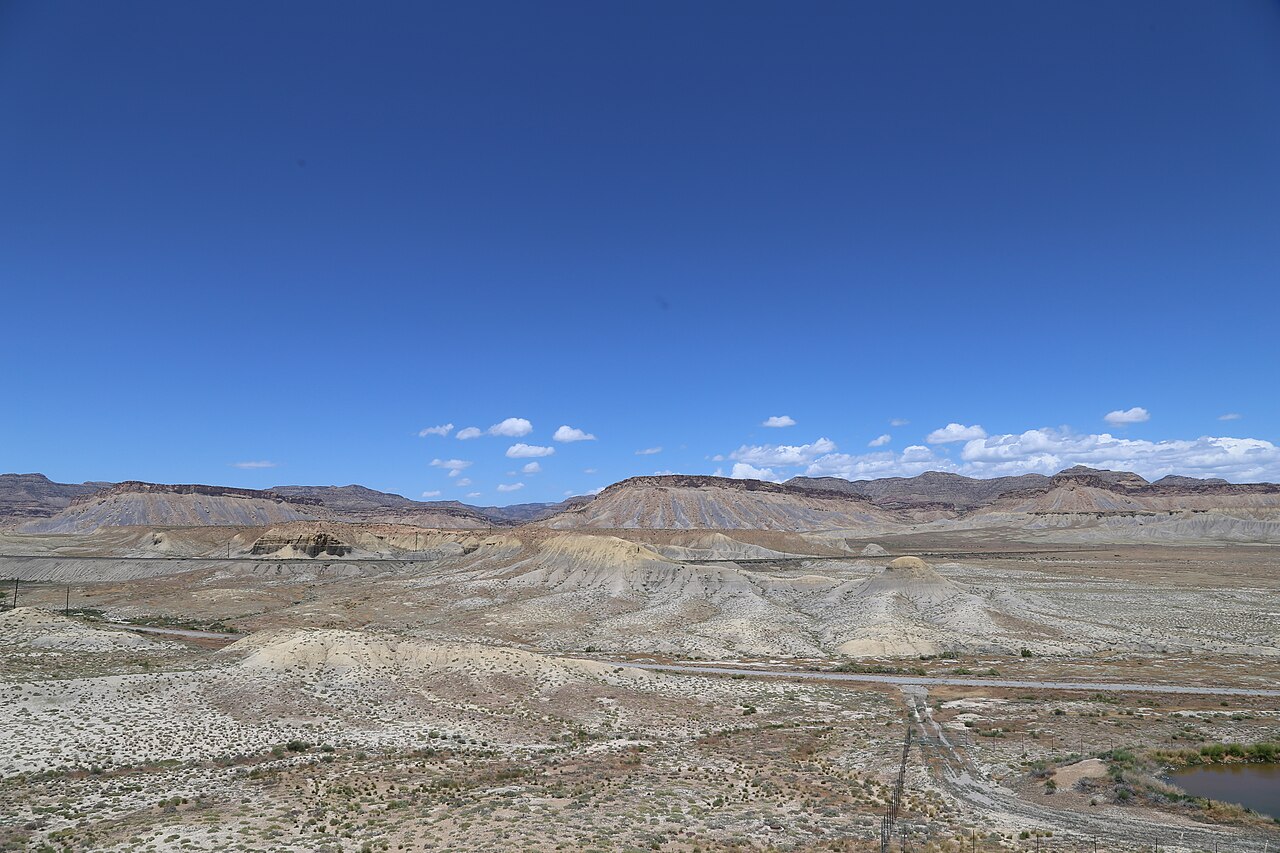
Representative photo. This expansive Utah desert landscape illustrates the vast, remote terrain that necessitates careful logistical planning for November road trips. Photo: David F Kennedy / Wikimedia Commons · CC BY-SA 4.0. Resized for display. Sources checked November 7, 2026.
Advertisement · From our publishing familyDiscover something new ↗