Note: This is a research-based guide prepared with AI assistance. No visit or hands-on test was conducted.
The Geography of Utah’s Seasonal Transition
As the calendar advances into late October, the travel landscape in Utah undergoes a significant transformation. The intense, sun-drenched days of the desert summer have faded, replaced by crisp air and the potential for early-season weather events in higher elevations. For the road tripper, this transition period—the shoulder season between autumn and winter—requires a fundamental shift in strategy. Rather than attempting to traverse the entire state, which spans from the high-altitude Wasatch Mountains in the north to the red rock canyons of the south, the most successful trips are those that respect the changing conditions of the landscape, prioritizing safety and flexibility over rigid, cross-state checklists.
The Utah Office of Tourism emphasizes that the state’s geography is not a monolith; weather patterns vary significantly between regions. A trip planned for late October requires an understanding that mountain passes may experience early snowfall while desert floors remain mild. Attempting to bridge these disparate climates in a single week often leads to exhaustion and unnecessary risk. By focusing on a single region, travelers can better manage the shorter daylight hours and the volatility of the weather, ensuring a more meaningful and less stressful experience.
Structuring Your Trip by Regional Basecamps
To maximize your time, consider selecting a single basecamp town rather than moving hotels every night. This approach allows you to establish a local rhythm, connect with the community, and pivot your daily activities based on real-time conditions. The Utah Trip Planner highlights that every region has specific basecamps designed to provide amenities and insider knowledge. For instance, if your interest lies in the “Mighty 5” national parks in the southwest, basing yourself in towns like Springdale or Kanab allows for deeper exploration of the surrounding canyons without the fatigue of constant transit.
When planning your route, it is essential to remember that long hours behind the wheel in unfamiliar, remote terrain contribute significantly to exhaustion. As discussed in our guide on why Driver Fatigue Belongs in the Route Plan, the physical act of driving in a new environment requires higher cognitive load. By limiting your daily mileage, you preserve the energy needed to actually engage with the destination. Instead of chasing every stop, select a region and commit to it, allowing for a deeper, more restorative pace that fits the shorter days of late autumn.
Regional Focus Comparison
| Region | Primary Landscape | Recommended Focus |
|---|---|---|
| Northern Utah | Mountains & Metros | Urban culture, history, and early-season mountain activity |
| Southeastern Utah | Rivers & Ancient History | Deep exploration of two national parks and river-based heritage |
| Southwestern Utah | Alpine Forests & Red Rocks | National park immersion, stargazing, and canyon hiking |
Safety and Resilience in Variable Conditions
Late autumn in the high desert and mountain plateaus is a time of unpredictability. Even if the forecast calls for clear skies, conditions can shift rapidly. Your preparation must extend beyond your itinerary to include the physical readiness of your vehicle. According to guidance from Ready.gov, travelers must plan long trips carefully and monitor weather forecasts and road conditions daily. In this shoulder season, you should never assume that a road is open or that a pass is clear simply because it was accessible yesterday.
If you are driving, your vehicle should be equipped for potential winter conditions, regardless of your destination. This is not just about snow; it is about the cold temperatures that can affect vehicle performance. Your emergency kit should be robust and accessible. If you find yourself in a situation where the weather makes the road difficult to manage, the safest decision is to pull over and stop. Never attempt to drive through flooded areas or push through snow if you are not properly equipped.
Essential Late-Autumn Car Safety Checklist
- Emergency Supply Kit: Keep items like jumper cables, flares or reflective triangles, an ice scraper, a warm blanket, and traction material (such as cat litter or sand) in your vehicle at all times.
- Monitor Vehicle Health: Have a mechanic verify antifreeze levels, battery health, and the condition of your brakes and tires before departing.
- Manage Your Fuel: Keep your gas tank full. This prevents fuel lines from freezing and ensures you have a buffer in case of unexpected delays or road closures.
- Respect the Light: With shorter days, plan to arrive at your destination or basecamp town well before sunset. Driving on remote, unfamiliar roads in the dark increases the risk of encountering wildlife or hidden hazards.
When plans inevitably change due to weather or road conditions, having a framework in place allows you to pivot without panic. We recommend reviewing our framework to Build a Travel Backup Plan You Can Actually Use. This ensures that a closed road or a sudden storm becomes a minor logistical adjustment rather than a trip-ending catastrophe. By treating your road trip as a series of regional explorations rather than a race to see the entire state, you allow for the flexibility that late-autumn travel demands, ultimately creating a more restorative and authentic experience.
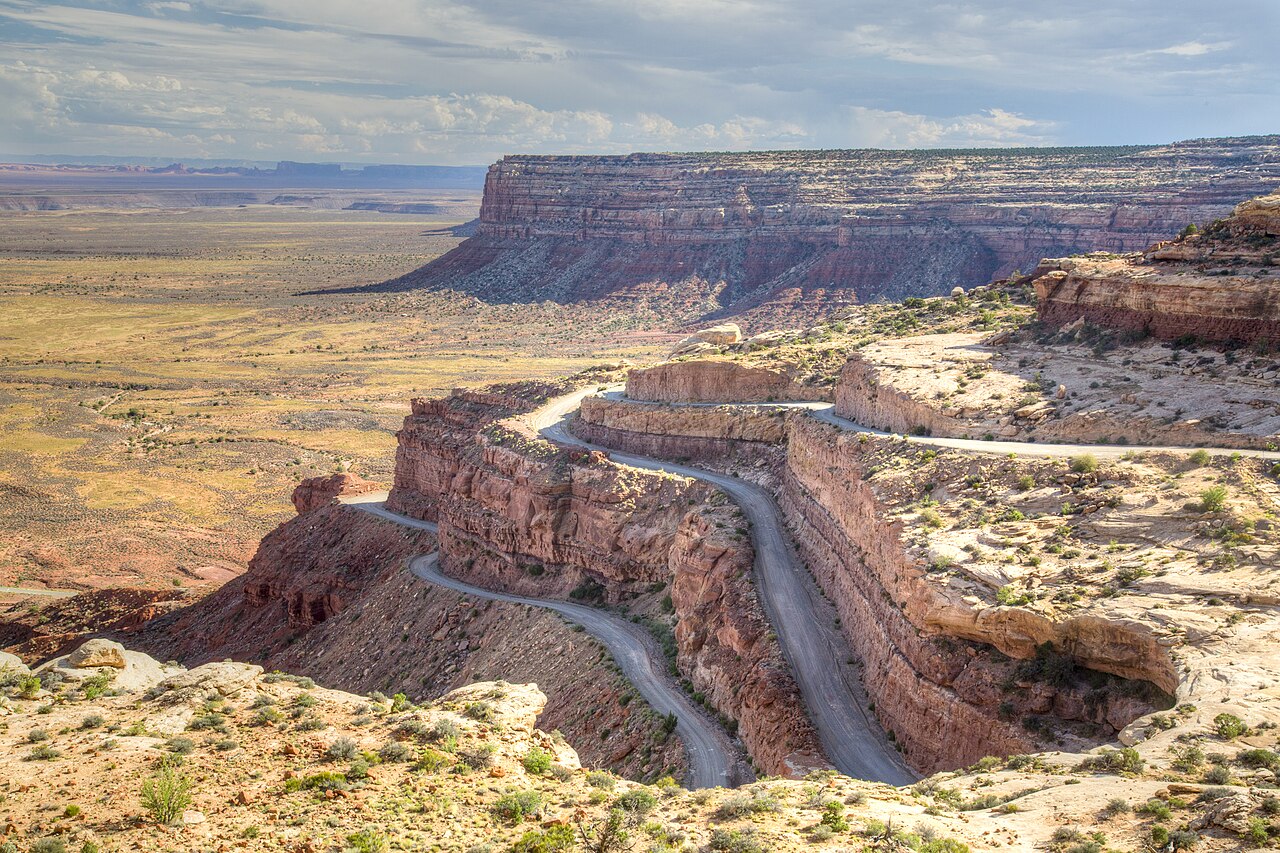
Representative photo. The Moki Dugway illustrates the remote, challenging driving conditions that require careful planning and vehicle preparation for Utah road trips. Photo: mypubliclands / Wikimedia Commons · Public domain. Resized for display. Sources checked October 23, 2026.