The November Road Trip Pivot
As the calendar turns to November, the approach to road travel must undergo a distinct logistical shift. The transition from the mild, predictable days of October to the volatile weather patterns of late autumn requires more than just a change in wardrobe; it necessitates a re-evaluation of how we prepare both our vehicles and our itineraries. In this season, the “scenic route” often intersects with early-winter hazards, making preparation a critical component of the travel experience.
Travelers who successfully navigate this period treat the road trip not as a static journey, but as a dynamic environment. Whether you are heading toward the high-elevation corridors of the American West or navigating regional routes closer to home, the primary goal for November is resilience. This means moving away from the summer habit of “chasing every stop” and toward a framework that prioritizes vehicle capability and weather-dependent flexibility.
The Pre-Departure Mechanical Audit
Before any long-distance travel in November, your vehicle should be treated as a piece of critical travel infrastructure. According to Ready.gov, a proactive approach to vehicle maintenance is the most effective way to avoid becoming stranded in inclement weather. A pre-trip inspection should be comprehensive and verified by a mechanic if you are not accustomed to performing these checks yourself.
Your pre-departure audit should include the following focus areas:
- Fluid Systems: Verify that your antifreeze levels are sufficient to prevent freezing. Check oil, fuel, and air filters, as well as the windshield washer fluid level—visibility is paramount when dealing with road spray and early-season grime.
- Critical Systems: Ensure the battery and ignition system are in peak condition, as cold weather places additional strain on these components. Have a mechanic examine the brakes and exhaust system.
- Climate Control: Test your heater and defroster. These are not merely for comfort; they are essential safety tools for maintaining clear visibility through the windshield.
- Traction: Install winter tires with sufficient tread depth. If your route takes you through areas requiring chains or studs, ensure they are in the vehicle and, crucially, that you have practiced installing them before you leave.
Note: This is a research-based guide prepared with AI assistance; no visit or hands-on test was conducted.
Strategic Route Planning and Regional Bases
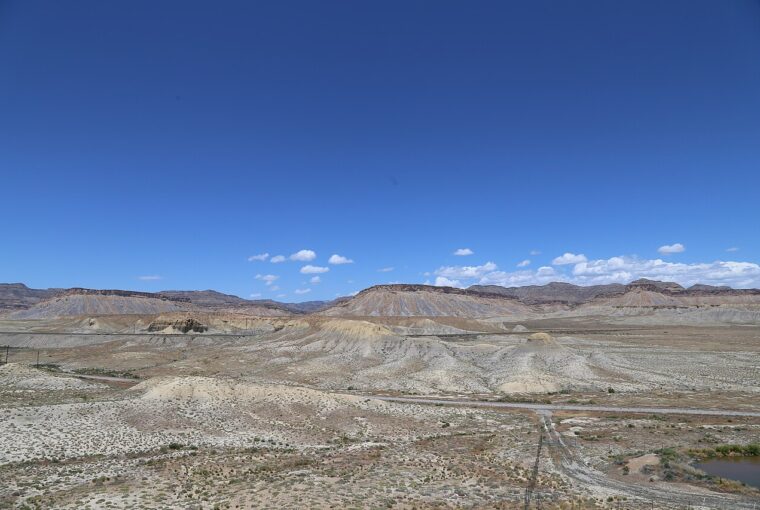
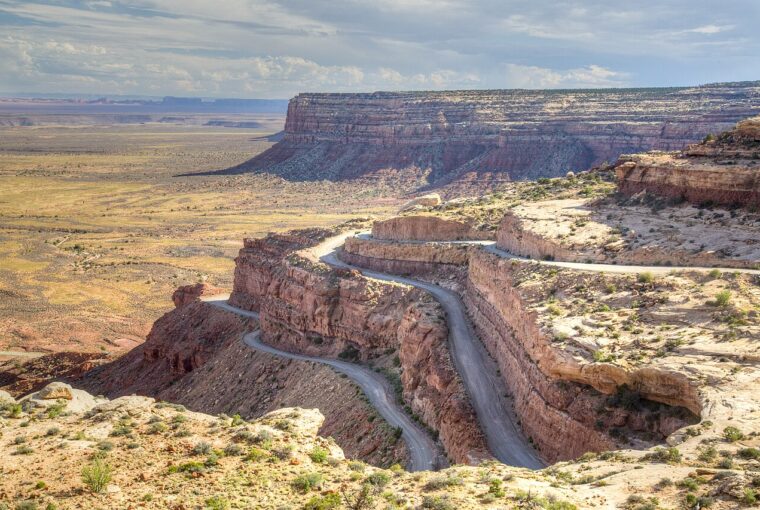
When planning a November route, the strategy of using a “basecamp” becomes increasingly valuable. Rather than moving hotels every night, which increases the time spent on the road in potentially deteriorating conditions, consider a regional strategy. For those exploring diverse landscapes, such as the varied terrain found in Utah, this might mean selecting a central town to serve as a hub for several days. This allows you to monitor weather patterns locally and adjust your daily plans without the pressure of a long-distance drive to a new check-in location.
As discussed in Utah Road Trip Strategy: The Late-Autumn Transition, the key to a successful November trip is recognizing that weather windows are never guarantees. Your itinerary should be built with built-in flexibility, allowing for a “rest day” or a shift in activity if a storm front moves in. This is particularly important when planning around mountain passes or remote desert areas where services may be limited.
Managing Environmental Hazards
November travel often requires a change in driving behavior. Ready.gov provides essential guidance on navigating hazards that are common in late autumn:
- Cruise Control: Disable your vehicle’s cruise control when driving on slippery, icy, or snowy roads. If you lose traction, the system may accelerate to maintain your speed, causing wheels to spin faster and potentially leading to a loss of control.
- Flooding: Do not drive through flooded areas. Six inches of water can cause a vehicle to lose control or stall, and a foot of water can float many cars. Be aware that even after floodwaters recede, roads may have weakened and could collapse under the weight of a vehicle.
- Fuel Management: Keep your gas tank full. This serves two purposes: it prevents the fuel line from freezing in extreme cold and ensures you have the range to navigate detours or delays caused by road closures.
The Art of the Unplanned Stop in November
While spontaneity is often a highlight of road tripping, the “unplanned stop” requires a different logic in November. As outlined in The Art of the Unplanned Roadside Stop, these detours should be evaluated through the lens of safety and daylight. In November, daylight hours are shorter, and temperatures drop rapidly after sunset. An unplanned stop that might take 20 minutes in July could become a safety concern if it delays your arrival at your destination until after dark, especially in rural or mountainous areas.
Emergency Kit Checklist
Regardless of your destination, your vehicle should be equipped with an emergency kit for the duration of the trip. Ensure these items are accessible, not buried under luggage:
- Visibility and Signaling: Flares or a reflective triangle.
- Traction Assistance: Cat litter or sand to provide tire traction if you get stuck in ice or snow.
- Tools: Jumper cables and a car cell phone charger.
- Visibility Tools: An ice scraper for clearing windshields and windows.
- Warmth: A blanket for each passenger in case you are stranded.
- Navigation: A physical map, as digital signals and GPS can be unreliable in remote areas or during severe weather.
By adopting this logistical framework, you can transform the November road trip from a series of weather-dependent risks into a controlled, restorative experience. Preparation is the bridge between a stressful transit and a successful journey.
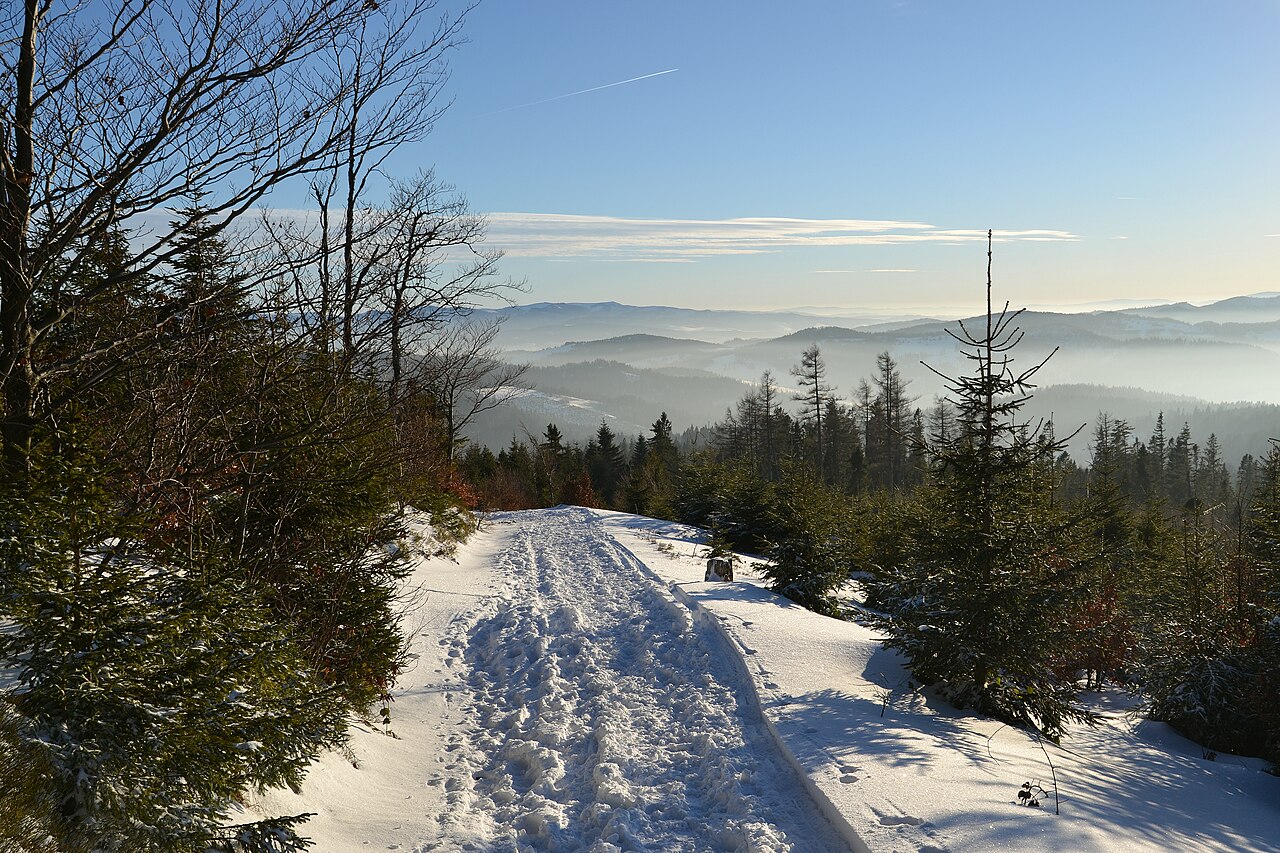
Representative photo: This image illustrates the challenging, variable terrain and early winter conditions that necessitate careful logistical planning for November road trips. Photo: Pudelek / Wikimedia Commons · CC BY-SA 4.0. Resized for display. Sources checked October 31, 2026.
Advertisement · From our publishing familyDiscover something new ↗