Note: This research-based guide was prepared with AI assistance. No visit or hands-on test was conducted.
November in Utah presents a unique logistical puzzle for the road-tripper. It is a true shoulder season, where the state’s topography creates a sharp divide between winter-ready mountain passes in the north and the lingering, mild, late-autumn red rock landscapes of the south. Successfully navigating this period requires a shift in mindset: moving away from a checklist of sights and toward a framework of regional adaptability and vehicle resilience.
Understanding Utah’s Dual-Climate Reality
According to the Utah Office of Tourism, Utah is geographically diverse, encompassing everything from the high-altitude Wasatch Mountains and Salt Lake City in the north to the iconic red rock canyons of the south. In November, these regions function as distinct climate zones. Northern Utah and the high-elevation areas near Brian Head or the Uinta Mountains often experience the first significant snowfalls of the season, necessitating winter-driving preparedness.
Conversely, Southern Utah—home to the “Mighty 5” national parks—often enjoys crisp, clear days with temperatures that are ideal for hiking. However, the desert environment is deceptive. Temperatures drop rapidly after sunset, and elevation changes within parks like Bryce Canyon can lead to localized ice patches even when the surrounding valleys remain dry. Travelers should not treat the state as a single entity; instead, assess your route by elevation. If your itinerary involves climbing from a low-elevation basecamp to a high-elevation trailhead, assume you will encounter winter conditions regardless of the forecast at your starting point.
Vehicle Resilience and Safety Protocols
The transition from autumn to winter demands a proactive approach to vehicle maintenance. Per guidelines from Ready.gov, the safety of a road trip in late autumn relies entirely on the condition of your vehicle and your preparedness for the unexpected. When traveling in November, road surfaces can shift from dry asphalt to black ice within a few miles of elevation change.
A robust vehicle safety framework for Utah should include:
- Traction Management: Ensure your vehicle is equipped with tires appropriate for winter conditions. If your route involves mountain passes, verify if your specific path requires snow chains or studs. Check your tread depth well before departure.
- The Emergency Supply Kit: Never rely solely on the assumption of clear roads. Your vehicle should be stocked with an emergency kit containing an ice scraper, a blanket, jumper cables, flares or reflective triangles, and a bag of sand or cat litter to provide traction if you become stuck in snow or ice.
- Fuel Discipline: Keep your gas tank consistently full. A full tank prevents fuel lines from freezing in sub-zero conditions and provides a crucial buffer if you are delayed by road closures or traffic incidents.
- Driving Technique: Disable your vehicle’s cruise control when driving on any road that might be slippery. As noted in guidance on Driver Fatigue Belongs in the Route Plan, maintaining manual control is essential when traction is variable. Cruise control can cause wheels to spin faster if you hit a patch of ice, leading to a loss of control.
Designing a Basecamp-Centric Itinerary
To mitigate the risks of November weather, adopt a “basecamp” strategy rather than a high-mileage touring model. The Utah Trip Planner suggests that travelers focus on regional hubs, such as Moab, Springdale, or Torrey, which provide reliable amenities and access to multiple trails without the need for constant, long-distance driving.
Building flexibility into your schedule is the most effective way to handle the shortened daylight hours of November. If a sudden storm closes a mountain pass, a basecamp-centric itinerary allows you to pause or pivot without derailing your entire trip. This approach is explored in detail in our guide on Utah Road Trip Strategy: The Late-Autumn Transition. Avoid the temptation to “push through” weather events. If the conditions on the road suggest a hazard, the most strategic decision is to remain at your basecamp and enjoy local cultural or historical sites until the weather window improves.
Arrival Logistics and Transit Efficiency
For many, a Utah road trip begins at the Salt Lake City International Airport. The transition from the airport to the road is a critical phase. According to TSA travel guidelines, travelers should allow ample time for the rental car process, particularly in November when rental agencies may be transitioning their fleets to winter-ready vehicles.
When packing, prioritize accessibility. If you are flying with winter gear, organize your luggage so that you can easily access layers, boots, and safety equipment upon arrival. If you are carrying specific tools or equipment, review the TSA’s “What Can I Bring?” resources to ensure compliance. Remember that liquids, aerosols, and gels in carry-on bags must adhere to the 3.4-ounce (100 mL) rule. If you are bringing specialized hiking or photography gear, ensure batteries and tools are packed in accordance with security regulations to avoid delays at the checkpoint.
Finally, treat your arrival day as a full day of travel. Do not attempt to drive long distances immediately after landing. Use the first day to stock up on supplies, check your vehicle’s condition, and adjust to the local elevation. By prioritizing a calm, prepared transition, you set the tone for a safer and more enjoyable journey through Utah’s unique late-autumn landscape.
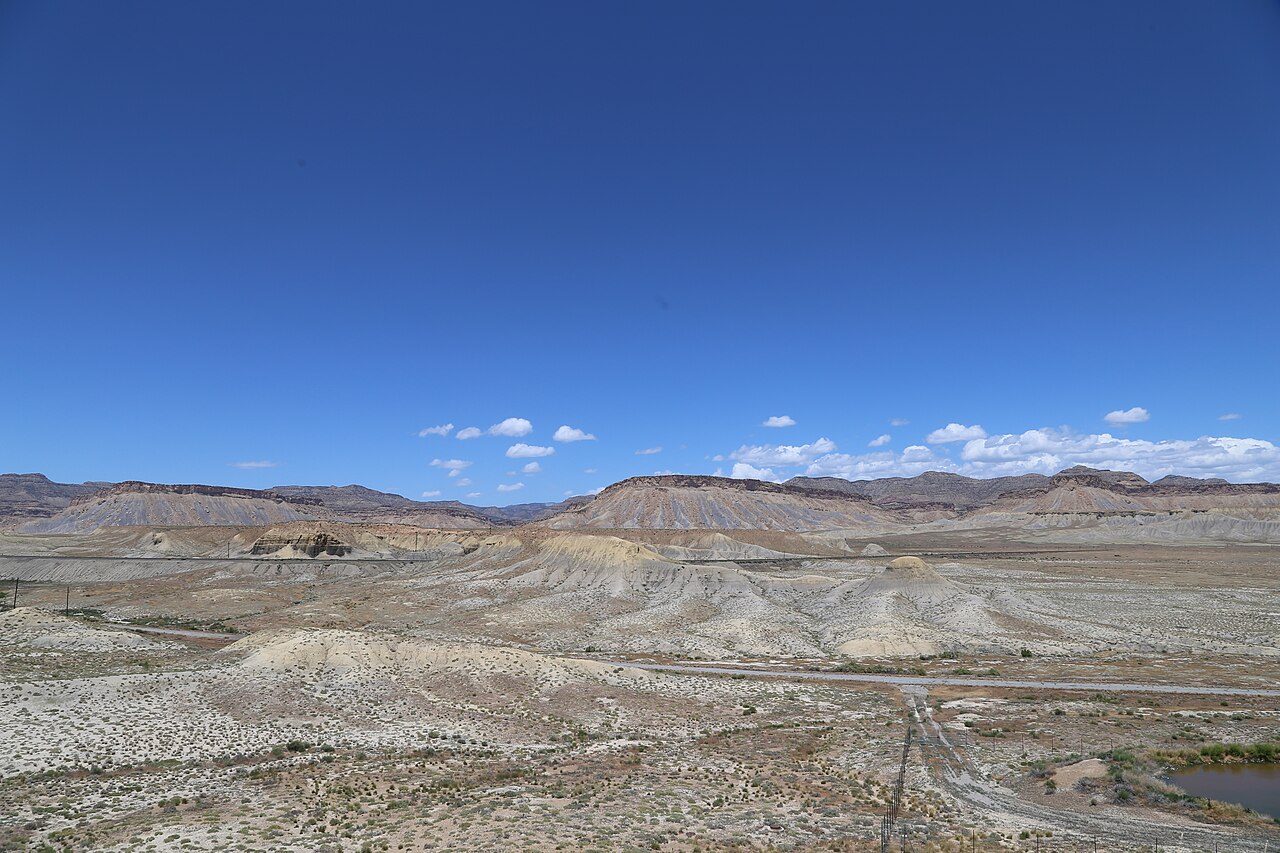
Representative photo. This landscape illustrates the vast, open, and diverse terrain that travelers encounter when planning road trips across Utah’s unique regions. Photo: David F Kennedy / Wikimedia Commons · CC BY-SA 4.0. Resized for display. Sources checked October 28, 2026.
Advertisement · From our publishing familyDiscover something new ↗