Note: This is a research-based guide prepared with AI assistance; no visit or hands-on test was conducted.
The transition into November marks a pivotal shift for international travel. As the northern hemisphere moves deeper into the late-autumn season, the logistical requirements for a trip to a high-latitude destination like Iceland differ fundamentally from those of a temperate, culturally dense destination like Japan. Planning for this period requires a strategic approach that prioritizes daylight hours, transit reliability, and climate-specific packing.
Managing Daylight and Transit Geography
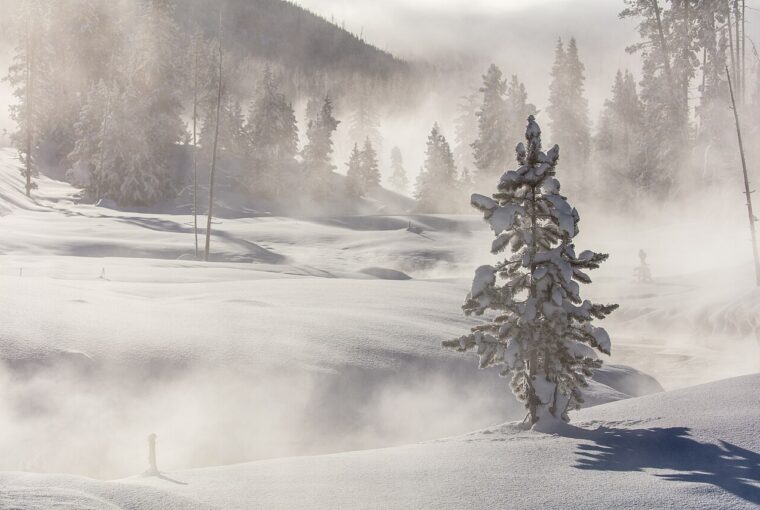
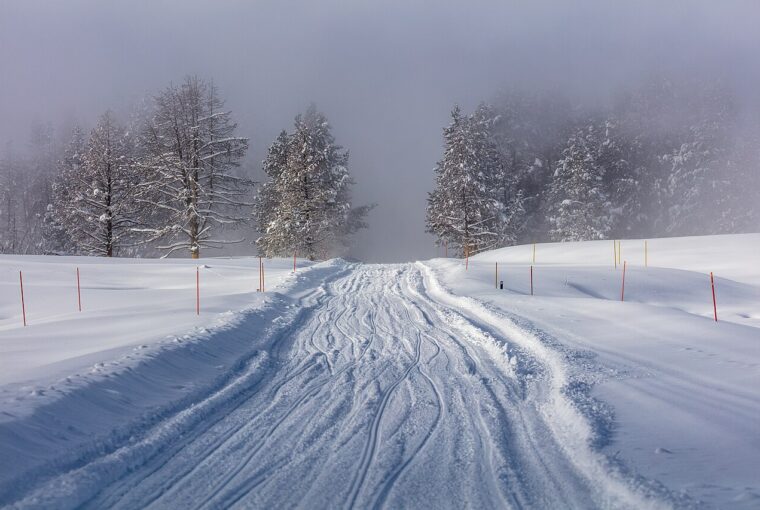
In November, daylight becomes a primary limiting factor for itinerary planning. According to Visit Iceland, November travel in Iceland is defined by limited daylight and shifting conditions, which necessitates a focus on geothermal wellness and accessible, shorter-duration activities. Travelers must account for the rapid reduction in daylight hours when planning transit between regions, as driving conditions can change quickly. Conversely, planning for Japan in November involves navigating the tail end of the autumn foliage season, where transit is dominated by rail networks rather than the rental-car-reliant infrastructure typical of Iceland.
For those interested in a deeper dive into these specific regional strategies, consider reviewing our Strategic Winter Planning: Navigating Japan’s Seasonal Shift or our guide on Geothermal Wellness: A Strategic Iceland November Plan. When building your itinerary, use transit geography to reduce daily backtracking. In Iceland, this means selecting a base and exploring in loops; in Japan, it involves utilizing the efficiency of the rail system to move between urban centers while accounting for potential holiday-related service adjustments.
Packing Strategies for Contrasting Climates
Packing for a late-autumn trip requires a clear understanding of the destination’s specific environmental risks. Iceland’s climate in November is volatile, requiring waterproof and windproof layers as well as specialized gear for geothermal visits. In contrast, Japan’s late autumn is generally cooler but drier, requiring a layering system that is adaptable for both indoor temple visits and outdoor walking tours.
Regardless of the destination, all air travelers must adhere to standard security protocols. As outlined by the Transportation Security Administration (TSA), liquids, aerosols, and gels in carry-on bags must be 3.4 ounces (100 mL) or less. This rule is critical for travelers packing specialized skincare for dry, cold climates or medical supplies for the trip. If you are traveling with medically necessary liquids, these are allowed in excess of 3.4 ounces, but you must notify the officer at the start of the screening process. Packing smart also means starting with an empty bag to ensure no prohibited items are inadvertently carried over from previous trips.
Packing Checklist for the November Transition
- For Iceland: Waterproof outer layers, sturdy hiking boots, and thermal base layers. Remember that geothermal pools may require specific swimwear and towels; check if these are provided at your destination.
- For Japan: Comfortable walking shoes for temple complexes, layers that can be easily removed for indoor/outdoor temperature fluctuations, and a compact umbrella for potential autumn rain.
- Universal: A digital or physical copy of your itinerary, essential travel documents kept offline, and a basic first-aid kit.
Preparing for Seasonal Variability
The most successful November trips are those that build in flexibility. As noted by VisitScotland, seasonal inspiration and practical advice are essential components of planning, especially when dealing with unpredictable weather. Whether you are heading to the Scottish Highlands, the Icelandic coast, or the Japanese countryside, weather windows are not guarantees.
To build a resilient itinerary, consider these logistical pillars:
- Buffer Time: Always treat arrival and departure days as real days. Do not schedule high-stakes activities on the day of your flight, as seasonal weather can cause delays in both road and air transport.
- Documentation: Before booking, verify entry requirements and ensure your passport and visa documents are current.
- Accessibility: If your travel plans include accessible requirements, research the station-by-station accessibility of rail networks or the specific entrance requirements for historic sites, which may have limited accessibility in older, preserved structures.
By separating your first impressions from reliable conclusions and focusing on the specific logistical needs of your chosen region, you can create a travel plan that remains effective even when conditions change. Whether you are seeking the geothermal heat of Iceland or the cultural depth of Japan, the key to a successful November trip lies in the preparation you do before you leave home.
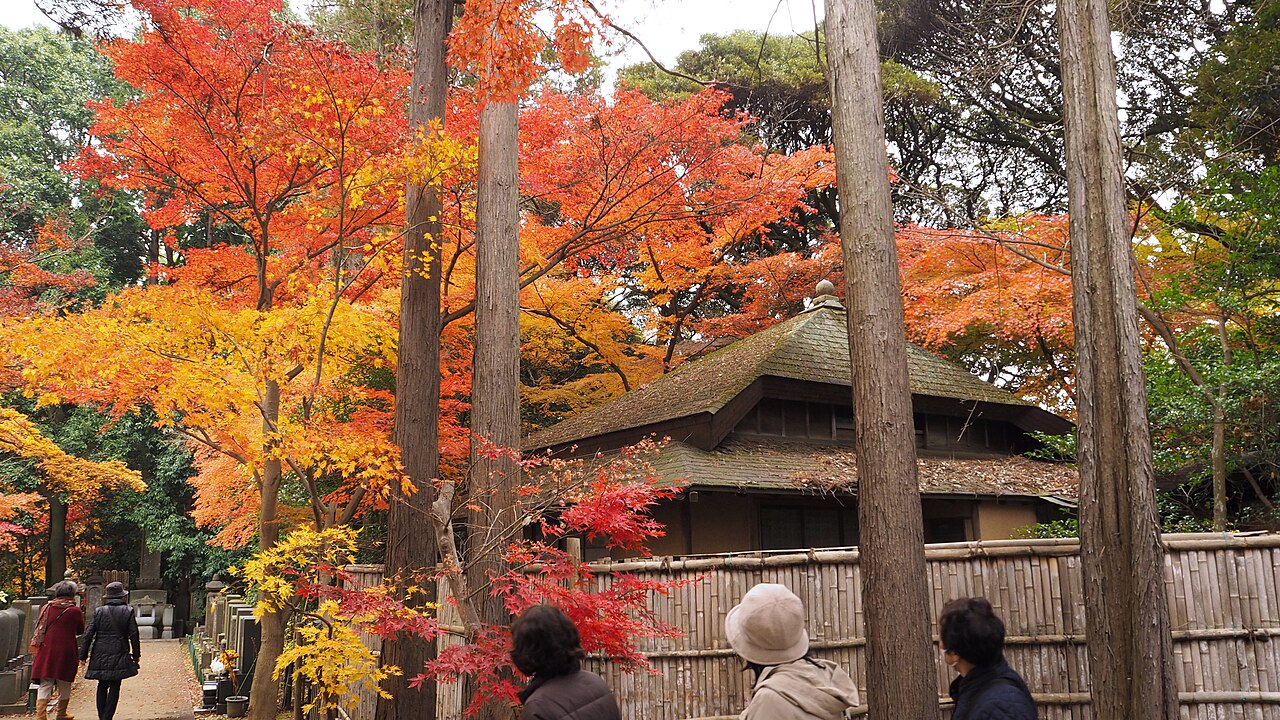
Representative photo: The image illustrates the late-autumn season in Japan, highlighting the need for layered clothing and strategic planning for temple visits as discussed in the article. Photo: Hetarllen Mumriken / Wikimedia Commons · CC BY-SA 2.0. Resized for display. Sources checked October 30, 2026.
Advertisement · From our publishing familyDiscover something new ↗