The Geometry of Daylight: Planning for Shorter Days
As the calendar turns toward November, the travel landscape undergoes a subtle but profound operational shift. For travelers heading to northern latitudes, such as Iceland or the alpine regions of Switzerland, the most significant variable is the rapid reduction in daylight hours. This is not merely a change in scenery; it is a fundamental constraint that dictates the pace and feasibility of your daily plans. According to Visit Iceland (checked 2026-10-25), November is a time for northern lights, ice caves, and geothermal pools, but experiencing these requires a recalibrated approach to time management. Unlike summer, where the “midnight sun” allows for extended activity, the late-autumn season demands that you front-load your most demanding outdoor activities into the brief midday window. When the light fades, the focus must shift from exploration to immersion—such as utilizing the country’s abundant geothermal wellness resources. This seasonal pivot requires travelers to move away from the “checklist” mentality of peak-season tourism and toward a rhythm that respects the natural environment.
In Switzerland, the transition is similarly marked by changing conditions. Switzerland Tourism (checked 2026-10-25) emphasizes that planning for this period involves more than just booking a hotel; it requires active monitoring of snow reports and transport updates. The “shoulder season” in these regions is rarely static; it is a period of volatility where weather can shift from clear and crisp to wintry within hours. To navigate this, your itinerary should prioritize geographic efficiency, reducing the time spent in transit so that you can maximize the limited hours of daylight for the experiences that matter most.
Logistics of the Seasonal Transition: Packing and Security
Packing for the late-autumn transition is often a source of traveler insecurity, as the weather demands a hybrid of gear that can handle both mild afternoons and chilly, dark evenings. The challenge is to avoid the temptation of overpacking while remaining prepared for rapid shifts. The Transportation Security Administration (checked 2026-10-25) provides a clear framework for managing the security aspects of your journey, which is particularly relevant when you are carrying specialized cold-weather gear or gifts for the upcoming holiday season. The cardinal rule of efficient security screening is to start with an empty bag. By ensuring your carry-on is clear of prohibited items from previous trips, you significantly reduce the likelihood of a secondary screening delay. If you are bringing regional food items or souvenirs home, remember the 3.4-ounce (100 mL) rule: if it can be spilled, spread, sprayed, pumped, or poured, it must be in your checked luggage if it exceeds that limit.
Furthermore, if your November travel includes medical supplies for a wellness-focused trip, proactive communication is your best tool. You do not need to present medication to a TSA officer unless it is in liquid form, but if you are carrying liquid medication over 3.4 ounces, you must notify the officer at the start of the screening process. This is not a request for special treatment; it is a procedural step that ensures the officer can conduct the necessary testing without disrupting your flow. By preparing your documents and your bags with these regulations in mind, you remove the reactive stress that often accompanies airport security, allowing you to focus on the transition to your destination.
Building Resilience into Your Late-Autumn Itinerary
A successful trip during the late-autumn transition relies on an itinerary that acknowledges the constraints of the season. Resilience, in this context, means building a plan that does not collapse when the weather turns or the light fails. We recommend a structured approach to your daily planning, ensuring that you treat your time as a finite resource. Consider the following checklist to ensure your November travel remains restorative rather than exhausting:
- Buffer Your Transit: It is tempting to jump straight into activities upon arrival, but November travel often involves unpredictable transport delays. As discussed in our guide on how to treat arrival and departure days as real days, you should build in a recovery window to adjust to local conditions, especially if you are crossing multiple time zones.
- Prioritize Flexibility: Late autumn brings weather that can change in minutes. Rather than creating a rigid schedule, you should build a rainy-day version of the itinerary. This ensures that when outdoor plans are no longer viable, you have a pre-vetted list of indoor cultural or wellness activities ready.
- Respect the Light: In high-latitude destinations, plan your most demanding activities for the middle of the day when light is most reliable. Use the early mornings and late afternoons for local exploration, museum visits, or transit.
- Check Documentation Early: Before booking, verify all entry requirements, especially if crossing borders in a region experiencing seasonal transport changes. Ensure your paperwork is in order well before you head to the airport.
Note: This is a research-based guide prepared with AI assistance. No visit or hands-on test was conducted for this article.
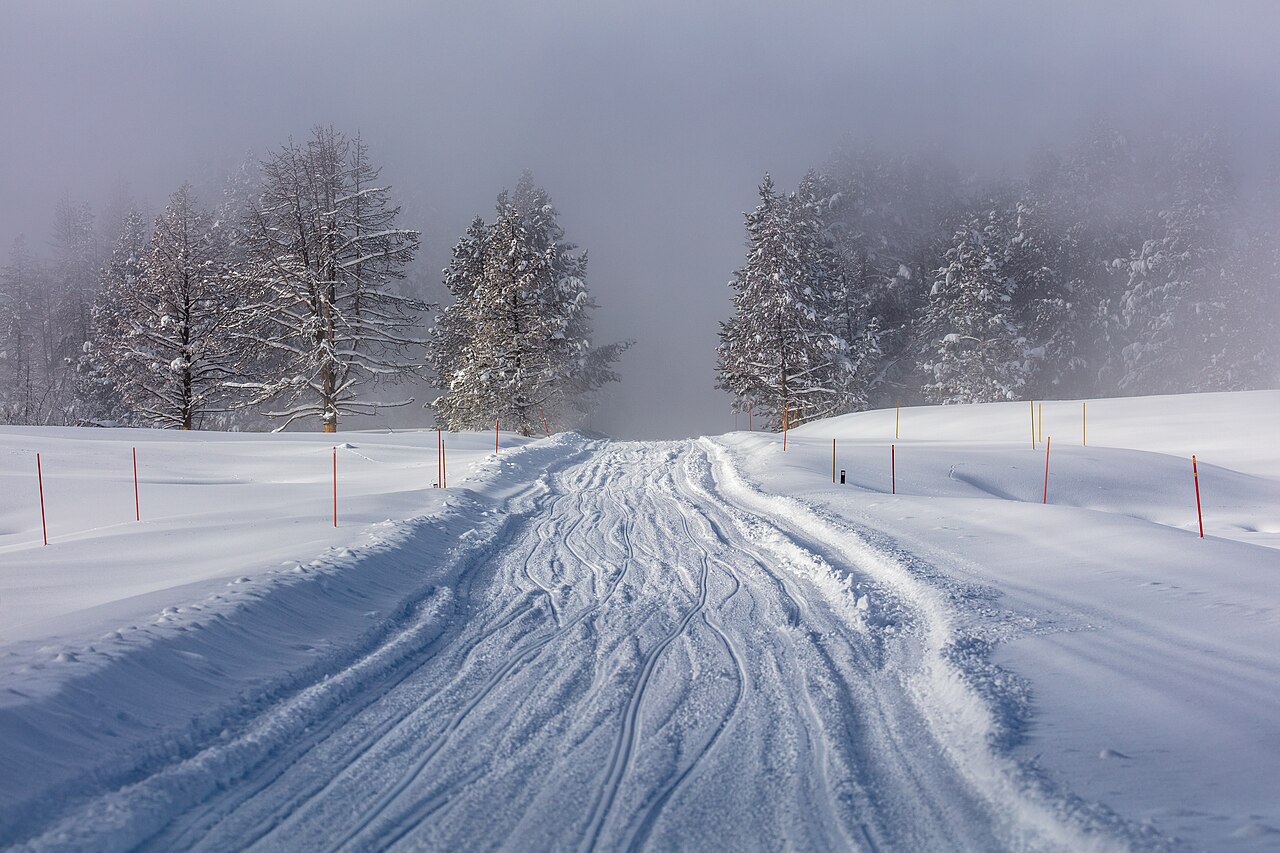
Representative photo illustrating the seasonal winter travel conditions and snow-covered routes discussed in the article. Photo: Jacob W. Frank / Wikimedia Commons · Public domain. Resized for display. Sources checked October 24, 2026.
Advertisement · From our publishing familyDiscover something new ↗