Note: This is a research-based guide prepared with AI assistance and no visit or hands-on test was conducted.
As the calendar turns toward November, Iceland enters a period of profound transition. The daylight hours shorten, the landscape shifts into a deeper, more atmospheric palette, and the country settles into a rhythm that favors stillness over high-intensity activity. For the traveler, this seasonal pivot offers a unique opportunity to engage with the nation’s most enduring wellness tradition: geothermal bathing. Rather than approaching Iceland as a site for high-intensity adventure, a November trip can be effectively structured around the restorative, consistent warmth of its mineral-rich waters. However, successful planning requires a clear distinction between cultural immersion and commercial spa services, as well as a realistic assessment of the logistical challenges posed by the late-autumn climate.
The Cultural Architecture of Geothermal Bathing
In Iceland, geothermal wellness is not merely a luxury amenity found within resort walls; it is a foundational element of the country’s social fabric. According to official data from Visit Iceland, geothermal energy is integrated into daily life through heating, electricity, and, most visibly, public bathing. When planning a wellness-focused itinerary, it is essential to distinguish between the two primary environments for this experience: the municipal pool and the commercial spa.
Municipal pools are the true heart of Icelandic bathing culture. They are accessible, affordable, and provide a window into local life, where residents gather regardless of the weather. These facilities are often geothermally heated and offer a communal atmosphere that defines the Icelandic approach to wellness. In contrast, commercial spas and luxury lagoons offer structured, curated environments. These sites often provide additional services such as saunas, steam rooms, and specialized relaxation zones designed for a more private, contemplative experience. If you are struggling to decide which environment aligns with your personal goals, refer to our guide on Spa Resort or Structured Retreat to help align your expectations with the type of service you require.
Strategic Planning for a November Itinerary
November in Iceland is a shoulder season that demands flexibility. The weather is unpredictable, and daylight is significantly limited, which directly impacts your transit and activity planning. A successful wellness-focused trip in this season is built on the principle of minimizing transit stress. The “Green Circle” route, as highlighted in Visit Iceland’s regional resources, is an excellent framework for November travel. This route connects the villages of Laugarvatn, Flúðir, and Hveragerði, offering a structured way to experience geothermal wellness without the need for extensive, high-mileage driving across the country.
When building your schedule, consider the following strategic planning factors:
- Transit Geography: Choose a base that allows for easy access to your primary wellness destination without excessive backtracking. In November, prioritize shorter distances to avoid the stress of navigating winter roads in the dark.
- The “Open Day” Principle: Because weather can change rapidly, do not over-program your itinerary. If a storm rolls in, you may need to pivot. Treat your arrival and departure days as part of the wellness experience rather than transit hurdles, perhaps by selecting a spa located near your airport for an immediate, restorative start to your trip.
- Sustainable Pacing: Geothermal wellness is inherently linked to Iceland’s sustainable energy use. Engage with this by choosing accommodations that explicitly utilize geothermal energy for heating, which is common and aligns with a lower-impact travel philosophy.
- Packing Strategy: While your focus may be on swimwear and robes, your base layers and outer gear must be robust enough to handle the transition from cold, windy air to warm, humid water. The Icelandic wellness ritual is a cycle of heat and cold; ensure your clothing is easy to remove and replace quickly.
For those preparing for potential weather disruptions, it is wise to consult our guide on Travel During a Rainy Season With Better Expectations to ensure your itinerary remains resilient against the elements.
Managing Expectations for Spa Treatments
When incorporating spa services—such as massage therapy—into your Icelandic retreat, it is important to approach them with a clear understanding of what they can and cannot achieve. As outlined by the National Center for Complementary and Integrative Health (NCCIH), massage therapy is a tool for stress reduction and wellness enhancement, rather than a medical intervention for chronic health conditions.
Research suggests that while massage can provide short-term relief for tension and may be helpful for specific issues like shoulder or neck pain, the evidence supporting it as a treatment for chronic low-back pain is mixed and often of low quality. For the traveler, this means that while a massage after a long day of transit or hiking in the cold can be highly beneficial for relaxation, it should not be viewed as a replacement for medical care or a cure for underlying physical issues. When booking, ask the facility about their specific training and the focus of their sessions. Are they providing a general relaxation massage, or is it a specialized clinical style? Aligning your expectations with the reality of what these treatments can deliver will prevent disappointment and help you better prioritize your time and budget.
Finally, remember that if you are packing your own wellness products—such as oils or lotions—you must comply with air travel regulations. According to the Transportation Security Administration, all liquids, aerosols, and gels in carry-on bags must be 3.4 ounces (100 mL) or less. Planning your packing around these rules ahead of time prevents the stress of discarding items at the security checkpoint.
Sources
- Visit Iceland, https://www.visiticeland.com/, checked 2026-10-24.
- National Center for Complementary and Integrative Health (NCCIH), https://www.nccih.nih.gov/health/massage-therapy-what-you-need-to-know, checked 2026-10-24.
- Transportation Security Administration (TSA), https://www.tsa.gov/travel/travel-tips, checked 2026-10-24.
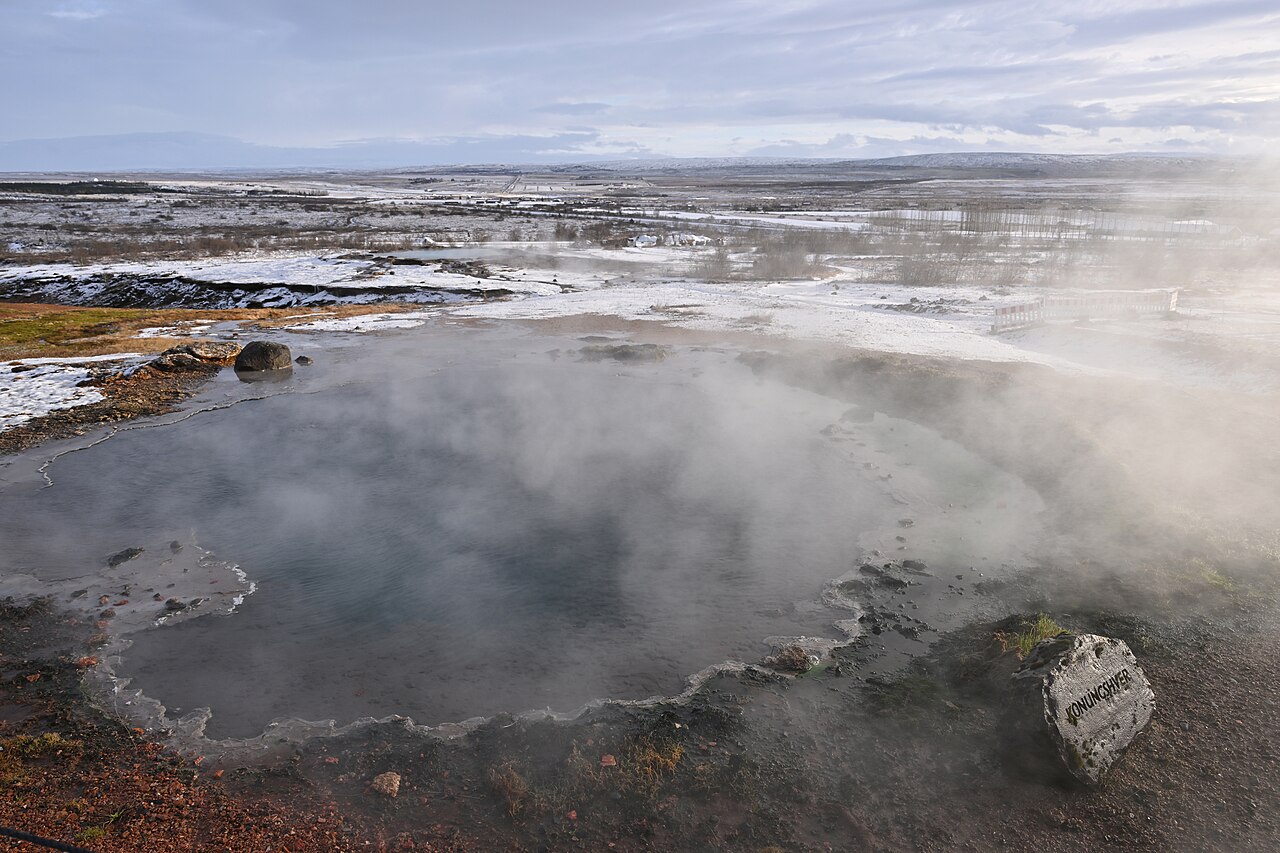
Representative photo. The image illustrates the natural geothermal activity that defines Iceland’s landscape and supports the country’s widespread bathing culture. Photo: G. Edward Johnson / Wikimedia Commons · CC BY 4.0. Resized for display. Sources checked October 23, 2026.