The Shoulder-Season Mindset
As the calendar turns to November, travel in northern latitudes undergoes a profound shift. The period between late October and the onset of winter is a unique shoulder season, characterized by rapidly diminishing daylight, unpredictable weather, and the transition of services from peak-season availability to winter schedules. Rather than viewing this as a limitation, successful travelers use this time to adjust their pace and expectations. This guide provides a research-based framework for managing these transitions, ensuring your itinerary remains resilient even when conditions fluctuate.
The most common error in late-autumn planning is treating the itinerary as if it were still the height of summer or autumn. As noted in the VisitScotland trip planning resources, every season offers unique experiences, but travelers must actively research what is open and accessible during the shoulder season. When planning for November, prioritize destinations that offer indoor cultural depth or seasonal events that are not weather-dependent, rather than relying on outdoor-only schedules.
Logistics for Shorter Days
In northern destinations, the most significant logistical factor in November is the rapid decrease in daylight hours. For instance, VisitIceland highlights that November in Iceland offers unique opportunities for northern lights viewing and ice cave exploration, but these activities are entirely dependent on the limited light and specific weather windows. When your primary sightseeing window shrinks, your daily rhythm must adapt accordingly.
- Front-Load Your Day: Schedule your primary outdoor activities for the late morning and early afternoon, when the sun is at its highest and visibility is best.
- Reserve Evenings for Indoor Engagement: Use the darker, colder hours for museum visits, regional dining, or transit between locations.
- Check Seasonal Closures: Many historic sites, national parks, and even small-town businesses begin reducing their operating hours or closing entirely for the season in November. Use the local calendar to verify that your planned activities are actually available on your travel dates.
As discussed in our guide on traveling during a rainy season, setting realistic expectations for what you can achieve in a single day is the best way to avoid disappointment when weather or darkness forces a change of plans.
Packing for Unpredictable Conditions
Transitioning from autumn to winter impacts how you pack and move through transit hubs. The TSA travel tips emphasize that packing smart begins with an empty bag, a practice that is especially useful when your wardrobe must accommodate both mild, damp days and freezing nights. When moving between climates, use a layering system rather than relying on a single heavy coat, which saves space and increases your flexibility.
Packing for November requires a focus on versatility. You are likely to encounter rain, wind, and potentially early snow, sometimes within the same day. Consider the following packing priorities:
- Base Layers: Moisture-wicking materials are essential for comfort, as they help manage temperature regulation when moving between heated indoor spaces and outdoor environments.
- Waterproof Outerwear: In regions like Scotland or Iceland, waterproof gear is a necessity, not an option. Ensure your outer layer is not just water-resistant, but truly waterproof.
- Footwear: Prioritize sturdy, waterproof footwear with good traction. November conditions often mean wet, slippery surfaces, whether on city cobblestones or rural trails.
- Medication and Documentation: Keep essential documents and medications in your carry-on bag. As the TSA notes, you can bring medication in pill or solid form in unlimited amounts if it is screened, but ensure it remains accessible in the event of travel delays.
Building Resilience into the Itinerary
Travel in late autumn often requires more patience, as weather can delay ferries, trains, and regional flights. When transit geography is complex—such as moving between islands or mountainous regions—it is critical to build buffer time into your schedule. As highlighted in our analysis of winter transport recovery time, travel in the shoulder season often requires more recovery time than summer travel. Unexpected weather events are not failures of the itinerary; they are features of the season that should be planned for.
When reviewing your transport options, look for flexibility. Whether you are using the public transport networks in Switzerland or navigating regional ferry services, check for alternative routes or backup schedules. If a specific mountain pass or coastal road is prone to closure, have a secondary plan that involves a different mode of transport or a shift in your base of operations. By treating your itinerary as a living document that can be adjusted based on the reality of the day, you turn potential disruptions into a more authentic, albeit slower, travel experience.
This research-based guide was prepared with AI assistance. No visit or hands-on test was conducted. All recommendations are derived from the supplied source material.
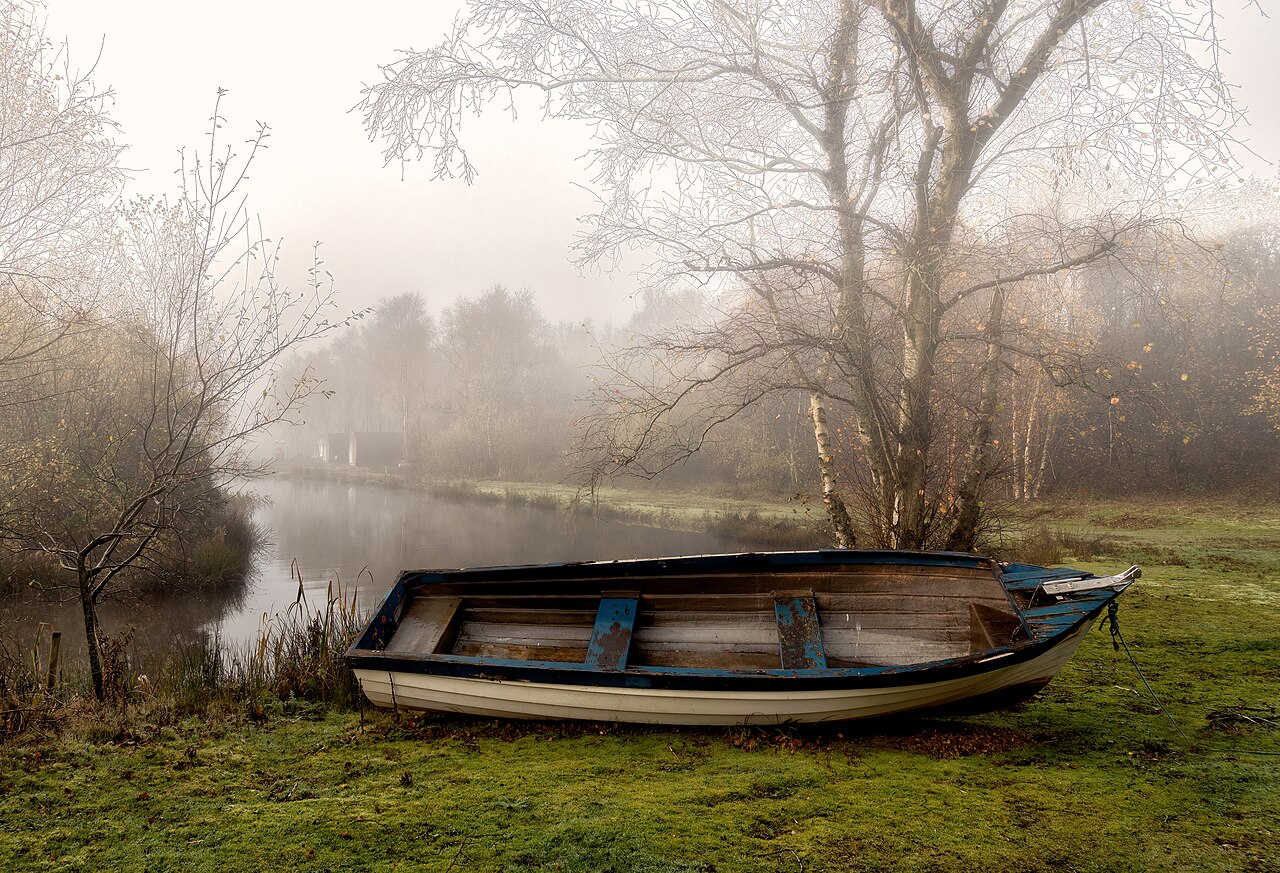
Representative photo. This image captures the quiet, atmospheric, and unpredictable nature of shoulder-season travel in northern regions. Photo: caroline legg / Wikimedia Commons · CC BY 2.0. Resized for display. Sources checked October 23, 2026.