Note: This is a research-based guide prepared with AI assistance, and no visit or hands-on test was conducted on November 3, 2026.
November in Iceland represents a distinct seasonal transition, often mischaracterized as merely a shoulder period. For the strategic traveler, this month offers a narrow, high-value window to experience the country’s unique geological and cultural offerings without the peak-season congestion of summer. According to Visit Iceland, November is defined by the return of the northern lights, the accessibility of ice caves, and the pervasive culture of geothermal bathing, which becomes increasingly restorative as ambient temperatures drop.
Navigating the November Landscape: Weather and Daylight
The primary challenge for any November itinerary in Iceland is managing the volatility of the weather and the reduction in daylight hours. Travelers must shift their expectations away from high-mileage road trips and toward a more localized, flexible pace. The weather in Iceland is notoriously changeable, and seasons often blend into one another, creating conditions that require careful preparation.
When planning your route, prioritize regional depth over geographic breadth. Instead of attempting to circumnavigate the island—a feat that can be complicated by winter road conditions and reduced daylight—consider focusing on one or two of the country’s seven distinct regions. This approach not only reduces the stress of driving in potentially inclement weather but also allows for a more meaningful engagement with local culture, traditions, and the specific landscapes of the area. As noted by Visit Iceland, mapping out a journey requires an understanding of your specific route, ensuring that you have accounted for the time needed to safely traverse between locations.
Packing for the November Transition
The insecurity regarding what to pack for Iceland is common, but the solution lies in a disciplined layering system rather than bulk. Avoid the temptation to overpack. Focus on high-quality, weather-resistant outer layers that can be adjusted based on the day’s conditions. Because you will likely be transitioning between the cold outdoors and the warmth of geothermal facilities, your clothing should be easy to remove and store. Prioritize moisture-wicking base layers, insulating mid-layers, and a windproof, waterproof outer shell. This system allows you to adapt to the rapid weather shifts without needing to carry excess luggage.
Geothermal Wellness: A Strategic Approach
Iceland’s geothermal wellness is not merely a tourist activity; it is an integral part of the country’s sustainable energy culture. The abundance of mineral-rich water from geothermal sources provides a unique opportunity for rejuvenation. When selecting a wellness destination—whether it is a luxury spa or a more remote, natural hot spring—it is important to understand that the experience is rooted in specific bathing etiquette.
Travelers should approach these sites with respect for both the environment and the local norms. This means understanding the rules regarding showering before entering public pools and maintaining a quiet, restorative environment. By choosing destinations that align with your preferred pace—be it a structured, high-end resort or a more independent, natural setting—you can tailor the wellness experience to your specific needs. Researching these facilities in advance, as suggested by the official Visit Iceland resources, ensures that you are prepared for the amenities and requirements of each location.
Transit Security and Airport Preparedness
A successful trip begins long before you arrive at your destination. For international travelers, the transit experience is often the most significant source of stress. Navigating airport security requires a proactive understanding of current regulations. As outlined by the Transportation Security Administration, travelers can significantly ease the screening process by adhering to established rules regarding liquids, aerosols, and gels.
All carry-on items must be 3.4 ounces (100 mL) or less. If you are carrying essential items that exceed this limit, such as specific skincare products or liquids for medical needs, these must be packed in checked luggage. For those traveling with medical conditions, it is crucial to notify security officers at the start of the screening process. You are not required to present medication unless it is in liquid form, but being transparent and prepared helps expedite the process. For further reading on managing these logistics, refer to our guides on International Connections: Check Entry Documents Before You Book and Keep Critical Travel Documents Available Offline. These resources provide a framework for organizing your essential documents, ensuring that you have what you need when you need it, even if you lose internet access.
Strategic Execution Checklist
To ensure your November trip remains both enjoyable and manageable, use the following framework to guide your final preparations:
- Document Verification: Review all entry requirements and visa statuses well in advance. Keep digital copies of these documents, as well as offline backups on your mobile device.
- Packing Audit: Start with an empty bag to avoid bringing prohibited items. Ensure all liquids in your carry-on are 3.4 ounces or less, and pack any larger items in your checked luggage.
- Itinerary Flexibility: Build “open days” into your schedule to account for weather-related delays. If a storm system moves in, having a buffer day prevents the need to rush or compromise on safety.
- Wellness Research: Pre-book your spa or retreat visits if required, and familiarize yourself with the specific etiquette of the facilities you plan to visit.
- Transit Plan: Arrive at the airport with ample time, and if you are traveling with medical devices, ensure you have the necessary documentation and are ready to inform security officers immediately upon arrival at the checkpoint.
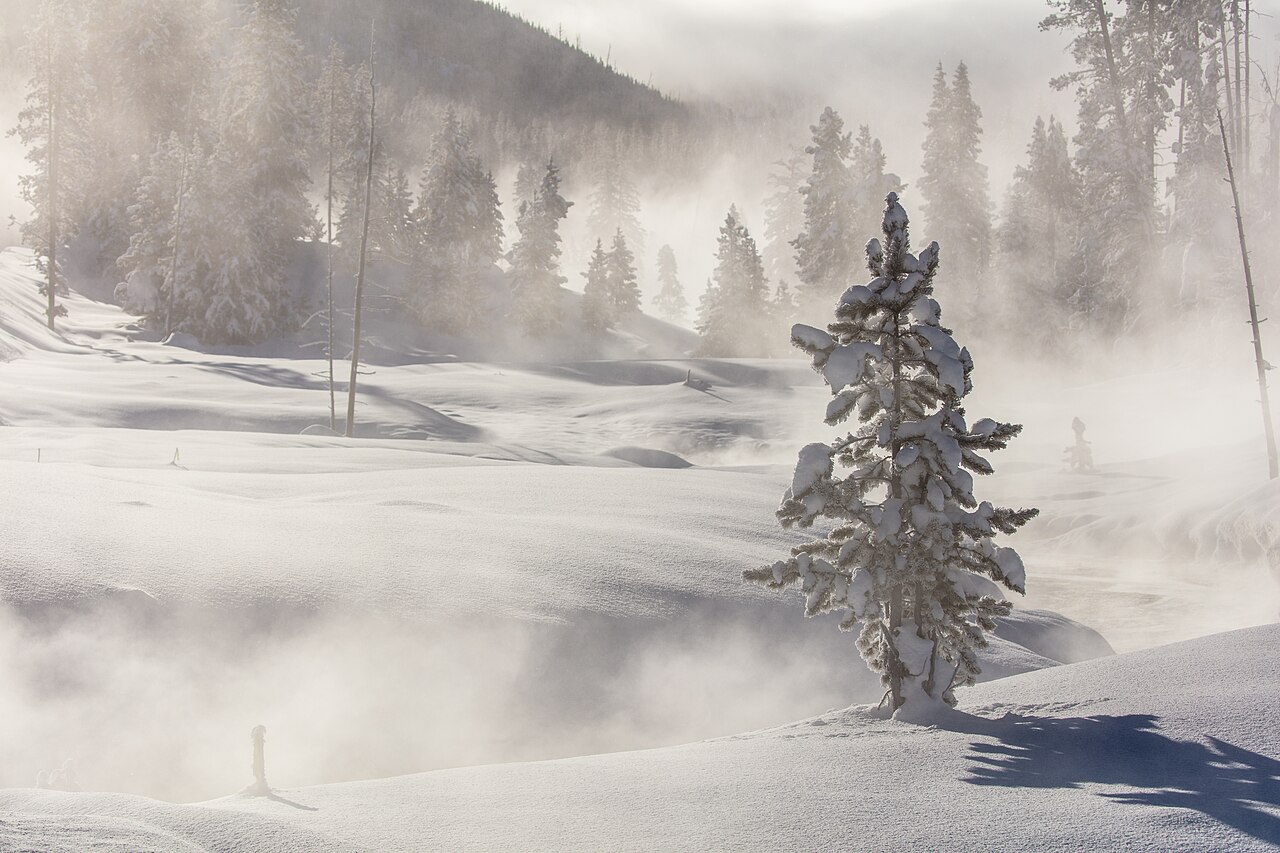
Representative photo showing a wintry landscape with steam, illustrating the geothermal wellness theme and seasonal transition. Photo: Yellowstone National Park / Wikimedia Commons · Public domain. Resized for display. Sources checked October 27, 2026.
Advertisement · From our publishing familyDiscover something new ↗