Navigating the 2026 Holiday Security Pivot
For families, the transition into the 2026 holiday travel season requires more than just booking flights; it demands a comprehensive operational audit of the airport experience. Security checkpoints, often a source of stress, can be managed effectively through a strategic, knowledge-based approach. By understanding the specific protocols set by the Transportation Security Administration, families can reduce the friction of the departure process, ensuring that the journey remains as seamless as possible.
As explored in Strategic Family Transit: A November Security Framework, the key to successful family travel lies in anticipating the operational requirements of the airport environment. This is not about rushing, but about preparing for the specific screening procedures that apply to children and the unique logistical needs of traveling with minors, including medical supplies and specialized equipment.
The Strategic Screening Framework for Children
Understanding the screening landscape for children is the first step in a successful departure. According to TSA, children aged 12 and younger are subject to modified screening procedures designed to prioritize efficiency while minimizing the need for invasive manual pat-downs. This policy shift is a critical component of family travel logistics.
When traveling with children in this age bracket, parents should note that they are not required to remove shoes, light jackets, or headwear during the standard screening process. However, if you are utilizing advanced imaging technology, light jackets must be removed and placed on the X-ray belt. A core principle of this framework is that children are never separated from their parent or guardian during screening. If a child is unable to walk through the metal detector independently, a parent may carry them through. Should an alarm sound, TSA protocols allow for multiple passes through screening technologies to resolve the issue, which is a vital detail for families aiming to minimize the need for manual pat-downs.
Managing Medical Liquids and Essential Supplies
One of the most common points of operational failure for families is the mismanagement of liquids. TSA guidelines clarify that formula, breast milk, toddler drinks, and baby or toddler food—including puree pouches—are classified as medically necessary liquids. These items are permitted in quantities exceeding the standard 3.4-ounce (100 mL) rule. Crucially, these items do not need to fit within a quart-sized bag, and the child does not need to be present for you to transport them.
To maintain a smooth flow through the checkpoint, you must inform the TSA officer at the start of the screening process that you are carrying these items. They will be removed from your carry-on for separate screening. While TSA may test the liquids for explosives or prohibited items, this screening will not involve placing anything into the liquid itself. Cooling accessories, such as ice packs, freezer packs, or gel packs, are also permitted regardless of whether breast milk is present. If you have concerns about the screening of these items, you may request a private screening at any time. For families traveling with other medical devices, such as insulin pumps or glucose monitors, notify the officer about the device and its location on the child’s body prior to screening. As noted in Strategic Airport Security: A Family Travel Guide, using a TSA notification card to discreetly communicate medical conditions can significantly reduce the need for verbal explanations in a busy checkpoint environment.
Operational Pre-Departure Planning
Effective family travel logistics begin long before you arrive at the airport. The TSA travel tips emphasize the importance of arriving early to allow sufficient time for all stages of the journey, including parking, checking bags, and navigating the security checkpoint. For families, this buffer is vital for managing the unexpected, such as a child who needs a break or a bag that requires extra inspection.
Packing for the airport is a strategic exercise. Start with an empty bag to ensure no prohibited items remain in pockets or compartments. If you are traveling with gifts, the TSA recommends using gift bags or boxes with removable lids rather than fully wrapped presents, as officers may need to inspect the contents. If you are planning a nature-focused trip, such as visiting a national park, the National Park Service suggests that preparation is key to a successful family outing. Whether you are heading to a park or visiting relatives, the principles of planning remain consistent: verify your requirements, pack with accessibility in mind, and use resources like TSA Cares (855-787-2227) at least 72 hours before your trip if you require additional assistance.
Family Airport Security Readiness Checklist
- Early Arrival: Budget extra time for parking, bag drops, and the security checkpoint.
- Medical Supplies: Pack medically necessary liquids (formula, breast milk) separately for easy access.
- Notification Cards: Use TSA notification cards to communicate medical devices or sensory needs discreetly.
- Gift Prep: Use gift bags or boxes with lids instead of wrapping paper to facilitate easy inspection.
- Empty Bag Strategy: Start packing with a clean, empty bag to prevent the accidental inclusion of prohibited items.
- TSA Cares: Contact TSA Cares 72 hours in advance if you anticipate needing additional support at the checkpoint.
Note: This research-based guide was prepared with AI assistance; no visit or hands-on test was conducted.
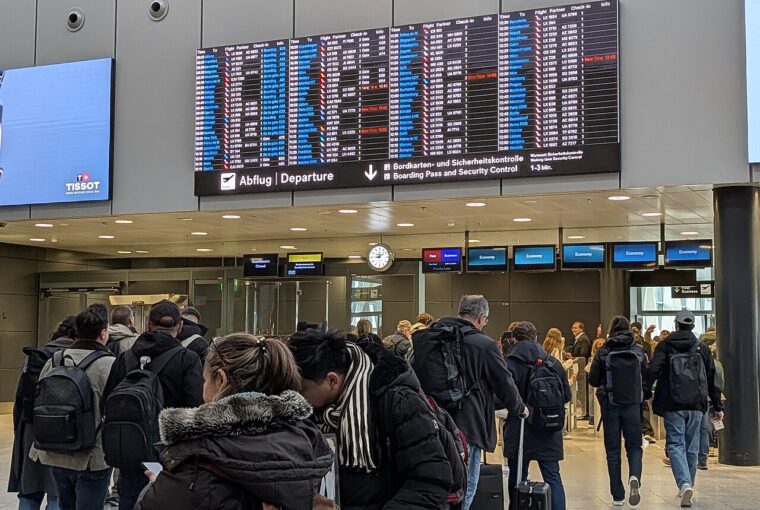
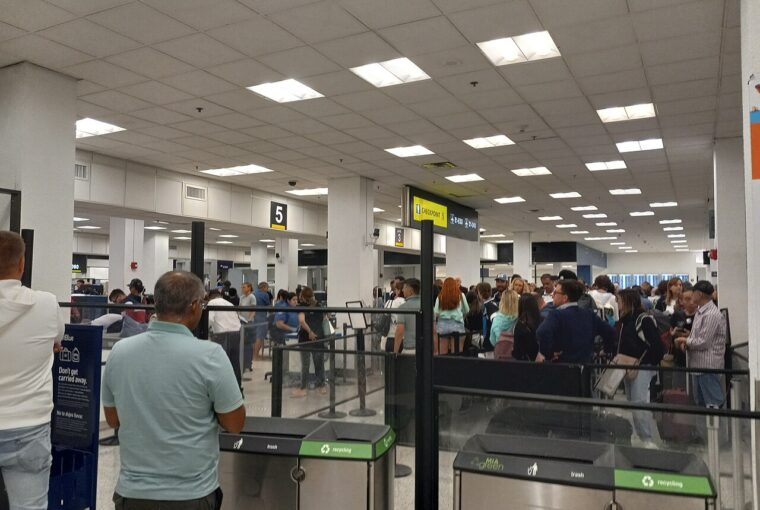
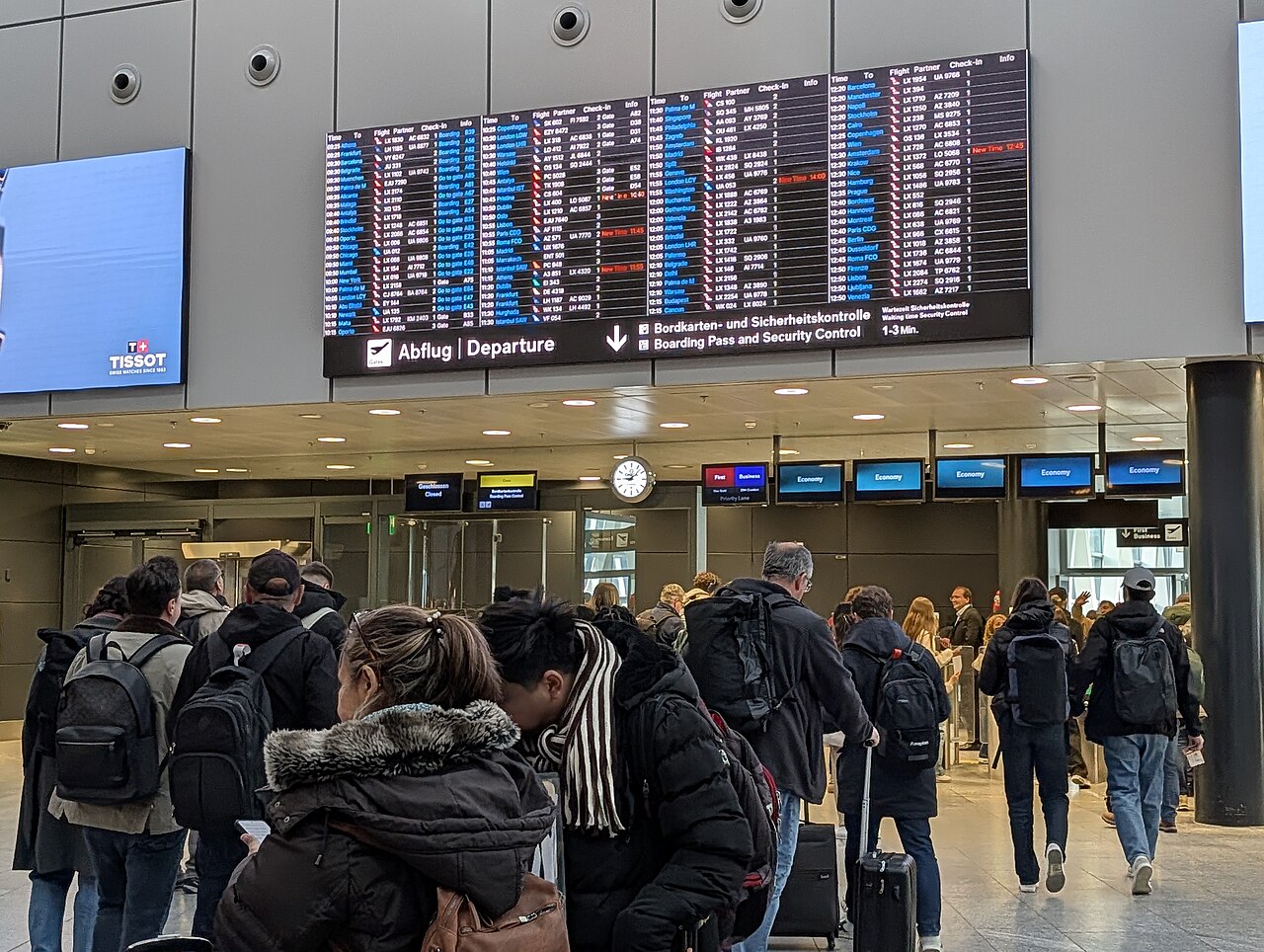
Representative photo showcasing travelers navigating airport security and departure areas during busy holiday travel seasons. Photo: Stimpy / Wikimedia Commons · CC BY-SA 4.0. Resized for display. Sources checked November 7, 2026.
Advertisement · From our publishing familyDiscover something new ↗