Note: This guide was prepared with AI assistance based on current Transportation Security Administration (TSA) public guidance. No physical visit or hands-on test of these procedures was conducted. Travelers should verify specific airport conditions prior to departure.
For families, the transition into the November and December travel season is rarely just about logistics; it is a complex coordination of schedules, equipment, and unique passenger needs. As we move into the busiest travel window of the year, the difference between a seamless departure and a stressful delay often lies in how families approach the security checkpoint. By treating the airport security process as a strategic component of the trip rather than an obstacle, travelers can maintain composure and preserve the rhythm of their journey.
The Holiday Pivot: Strategic Security Preparation
The most effective way to manage family travel is to anticipate the checkpoint requirements before arriving at the airport. According to the TSA Travel Tips, the most significant advantage a traveler can have is time. Arriving early is a standard recommendation, but for families, this time should be utilized for specific, tactical tasks. If you are traveling with children who have disabilities, medical conditions, or simply require additional support, the TSA Cares program is a vital resource. Travelers can contact TSA Cares at (855) 787-2227 at least 72 hours prior to their flight to request assistance at the checkpoint. This proactive communication allows for a more controlled environment, which is particularly important during the high-volume holiday season.
Furthermore, families should integrate security planning into their broader trip architecture. Just as you would protect sleep and nap rhythms on a family trip, you must also protect your security workflow. This means packing with the checkpoint in mind. Start with an empty bag, as suggested by the TSA, to ensure that no prohibited items from previous trips are accidentally left in compartments. If you are uncertain about specific items, the agency’s “What Can I Bring?” tool is the definitive resource to consult before you pack.
Managing Medical and Nutritional Essentials
One of the most common sources of friction for families is the handling of liquids and medically necessary items. The standard “3-1-1” rule for liquids, aerosols, and gels (3.4 ounces or less) is well-known, but it is often misunderstood regarding exemptions. When traveling with infants or toddlers, formula, breast milk, toddler drinks, and baby food—including puree pouches—are allowed in carry-on bags in quantities exceeding 3.4 ounces.
As outlined by the TSA guidelines for traveling with children, these items are considered medically necessary. However, they must be declared to the TSA officer at the start of the screening process. Cooling accessories, such as ice packs, gel packs, and freezer packs, are also permitted, regardless of whether breast milk or formula is present. To streamline this process, use clear, translucent bottles when possible, as this allows officers to inspect the contents more efficiently. If you prefer that these items not be X-rayed, you may request a visual inspection, provided you make this request before the items are sent through the X-ray tunnel. Always have a travel backup plan for critical supplies, ensuring that essential medications are kept in your carry-on luggage for immediate access.
Navigating the Checkpoint with Children
Understanding the age-based protocols is essential for a smooth transit. Children aged 12 and under are subject to modified screening procedures. These children are generally permitted to keep their shoes, light jackets, and headwear on during the screening process. If your child is able to walk through the metal detector independently, they may do so; however, infants and small children may be carried through the metal detector by a parent or guardian. If a child alarms during the screening process, they are allowed multiple passes through the technology to resolve the alarm, which is a deliberate effort by the TSA to reduce the need for pat-downs.
Equipment management is the final piece of the puzzle. Strollers, umbrella-strollers, baby carriers, and car or booster seats must be screened by X-ray. If these items do not fit through the X-ray machine, they will undergo a visual and physical inspection by TSA officers. To minimize time at the belt, remove all items from stroller pockets and baskets, and place them in carry-on bags or directly on the X-ray belt. By consolidating these items, you reduce the number of bins required and decrease the likelihood of leaving an item behind. Remember that during the holiday rush, patience is a tactical asset; by knowing the rules, you can advocate for your family’s needs while maintaining the efficiency required in a high-traffic environment.
Pre-Checkpoint Checklist for Families
- Verify Liquid Quantities: Ensure all non-exempt liquids are under 3.4 oz. Separate and declare all medically necessary liquids (formula, breast milk, medications) immediately upon reaching the officer.
- Prepare the Stroller: Empty all pockets and baskets before you reach the front of the line. Be ready to collapse the stroller for X-ray screening.
- Document Check: Have your identification and boarding passes ready. If you do not have an acceptable form of ID, be aware of the TSA ConfirmID verification process.
- Device Awareness: If your child uses a medical device (like a glucose monitor or insulin pump), notify the officer before screening begins. You are not required to remove these devices.
- Utilize Support: If you are traveling with a child who has special needs or sensory sensitivities, call the TSA Cares helpline (855-787-2227) at least 72 hours before your flight to coordinate assistance.
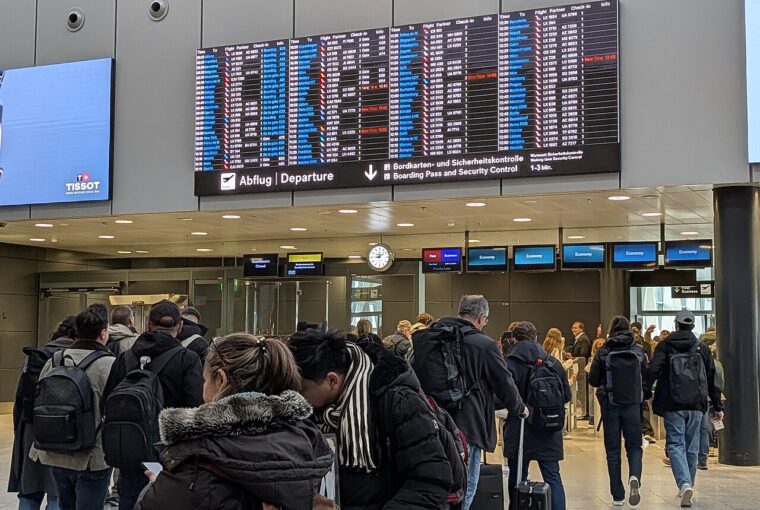
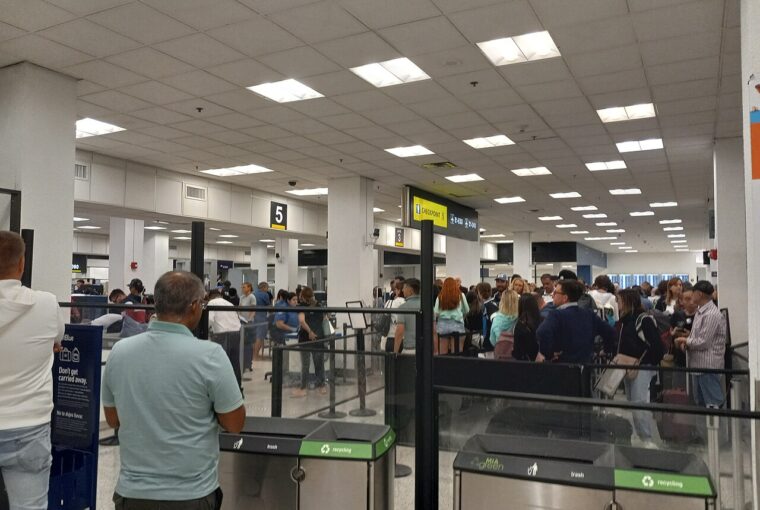
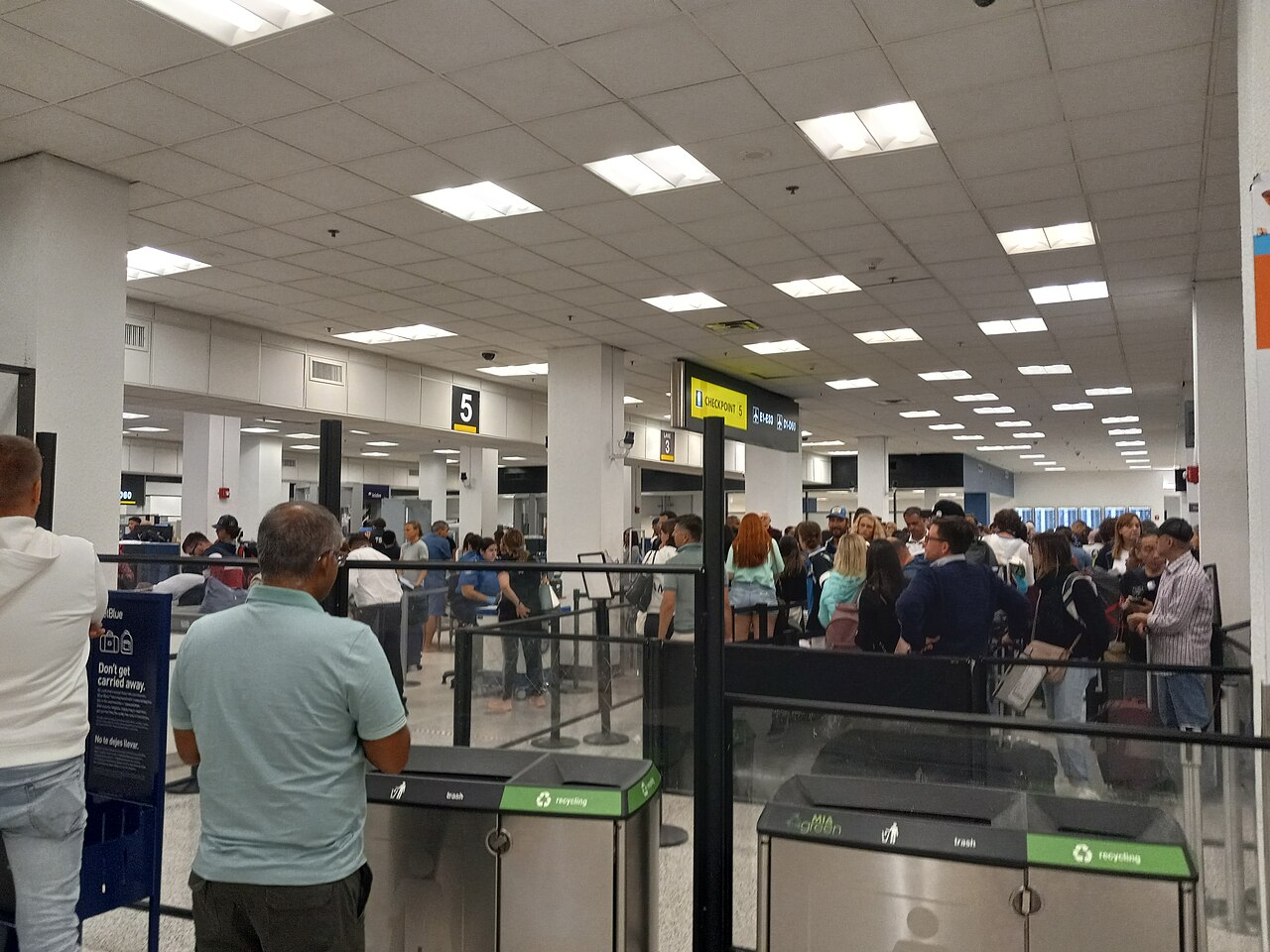
Representative photo showing a busy airport terminal area, which illustrates the environment travelers must navigate during the holiday season. Photo: FunctioningMemberOfSociety / Wikimedia Commons · CC BY 4.0. Resized for display. Sources checked October 25, 2026.
Advertisement · From our publishing familyDiscover something new ↗