Note: This is a research-based guide prepared with AI assistance; no visit or hands-on test was conducted.
For families traveling in November, the airport experience is often viewed as a hurdle to be endured rather than a logistical phase to be managed. However, a strategic approach to transit can significantly reduce friction. By understanding the specific protocols governing family travel, parents can move through security checkpoints with greater predictability. This guide outlines a proactive framework for November travel, relying on official Transportation Security Administration (TSA) procedures to streamline the journey.
The Pre-Departure Security Audit
The most effective way to manage airport security is to treat the process as a structured event that begins days before departure. According to TSA Travel Tips, the foundation of a smooth checkpoint experience is preparation. Families should begin by auditing their carry-on luggage. Packing with an empty bag ensures that prohibited items are not inadvertently left in pockets or compartments. This simple habit minimizes the likelihood of secondary screenings, which are a primary source of delays for families with children.
For those navigating the November transit peak, time management is critical. The TSA advises that travelers allow ample time for all stages of the journey, including parking, returning rental cars, and checking bags. For families, this buffer is essential. If a security lane wait is unavoidable, use that time to organize: remove items from pockets and place them into carry-on bags while in line, rather than at the checkpoint belt. This creates a more efficient transition when you reach the screening area.
Furthermore, if you are traveling with medical supplies, do not assume they must be packed in a specific way. While TSA recommends placing medication in carry-on baggage for immediate access, you are not required to present it unless it is in liquid form. If you are carrying liquid medication over 3.4 ounces, you must notify the officer at the start of the process. For more on managing complex travel days, see our Strategic Airport Security: A Family Travel Guide.
Navigating the Checkpoint with Children
The rules for children are distinct from those for adults, a fact that families often overlook. The TSA has established modified procedures for children 12 and under to reduce the need for pat-downs. As outlined in the TSA Traveling with Children guide, children in this age group are permitted to keep their shoes, light jackets, and headwear on during screening. This is a significant time-saver during the busy holiday season.
Equipment logistics also require specific attention:
- Strollers and Car Seats: These items must be screened by X-ray. If they are too large for the machine, they will undergo a visual or physical inspection. Place items from the stroller in a carry-on bag or on the belt to expedite the process.
- Infants: Infants may be carried through the walk-through metal detector. If the alarm sounds, additional screening is required, but the process is designed to minimize pat-downs.
- Medically Necessary Liquids: Formula, breast milk, toddler drinks, and baby food (including puree pouches) are exempt from the 3.4-ounce rule. You do not need to pack these in a quart-sized bag. However, you must inform the officer at the start of the screening process that you are carrying these items.
It is important to note that the TSA does not require you to separate your child from their mobility aid or wheelchair during the screening process. If you are concerned about the process, you may request a private screening at any time.
Utilizing Support Systems for Holiday Travel
November travel often involves complex itineraries, and for families with medical conditions or disabilities, the TSA Cares program is a vital resource. This program provides assistance at the checkpoint to help travelers better prepare for the screening process. The agency recommends contacting TSA Cares at (855) 787-2227 at least 72 hours prior to your trip.
When utilizing this service, you can ask specific questions about what to expect at your departure airport. For families managing neurodivergent children or those with sensory processing needs, this advance communication can provide a clearer picture of the checkpoint environment. It allows parents to prepare their children for the specific technology they will encounter, such as advanced imaging technology or metal detectors. For further context on managing complex holiday plans, refer to our guide on Planning Accessible Holiday Travel: A Proactive Guide.
Finally, remember that the goal of these procedures is security, not obstruction. When in doubt, the best course of action is to communicate clearly with the officers. If you have concerns about a medical device, such as an insulin pump or glucose monitor, inform the officer before the screening begins. You are not required to remove these devices from your body. By approaching the checkpoint with a clear understanding of these rules, families can maintain a calmer, more controlled pace throughout the November travel season.
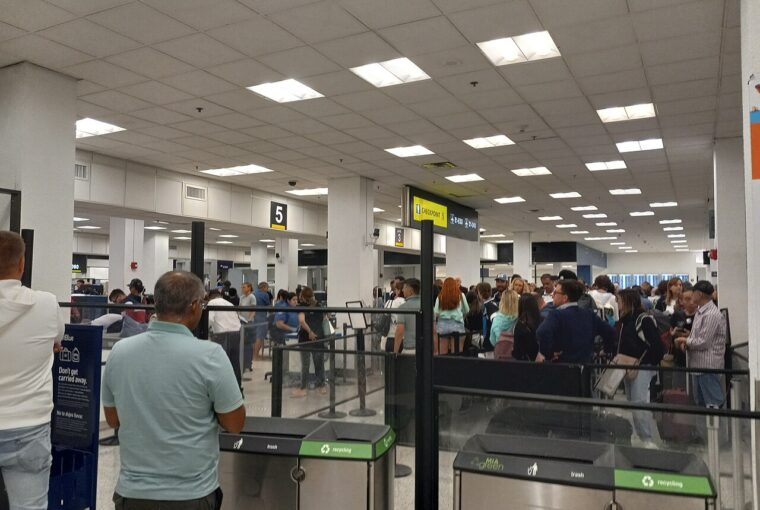
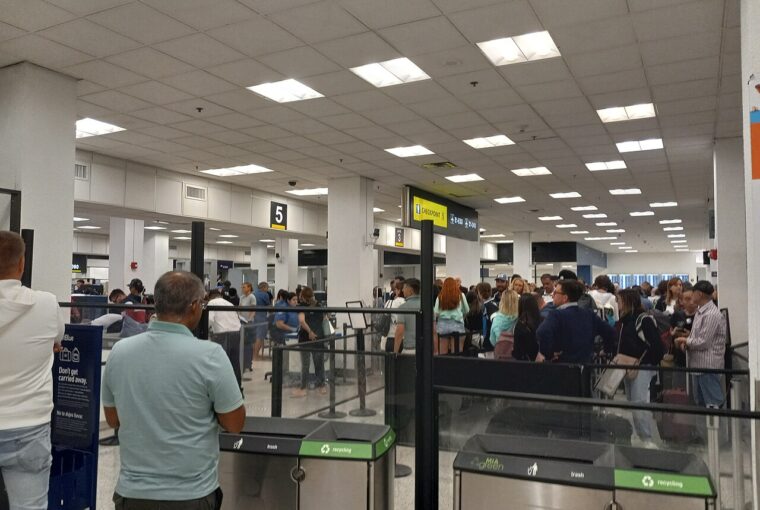
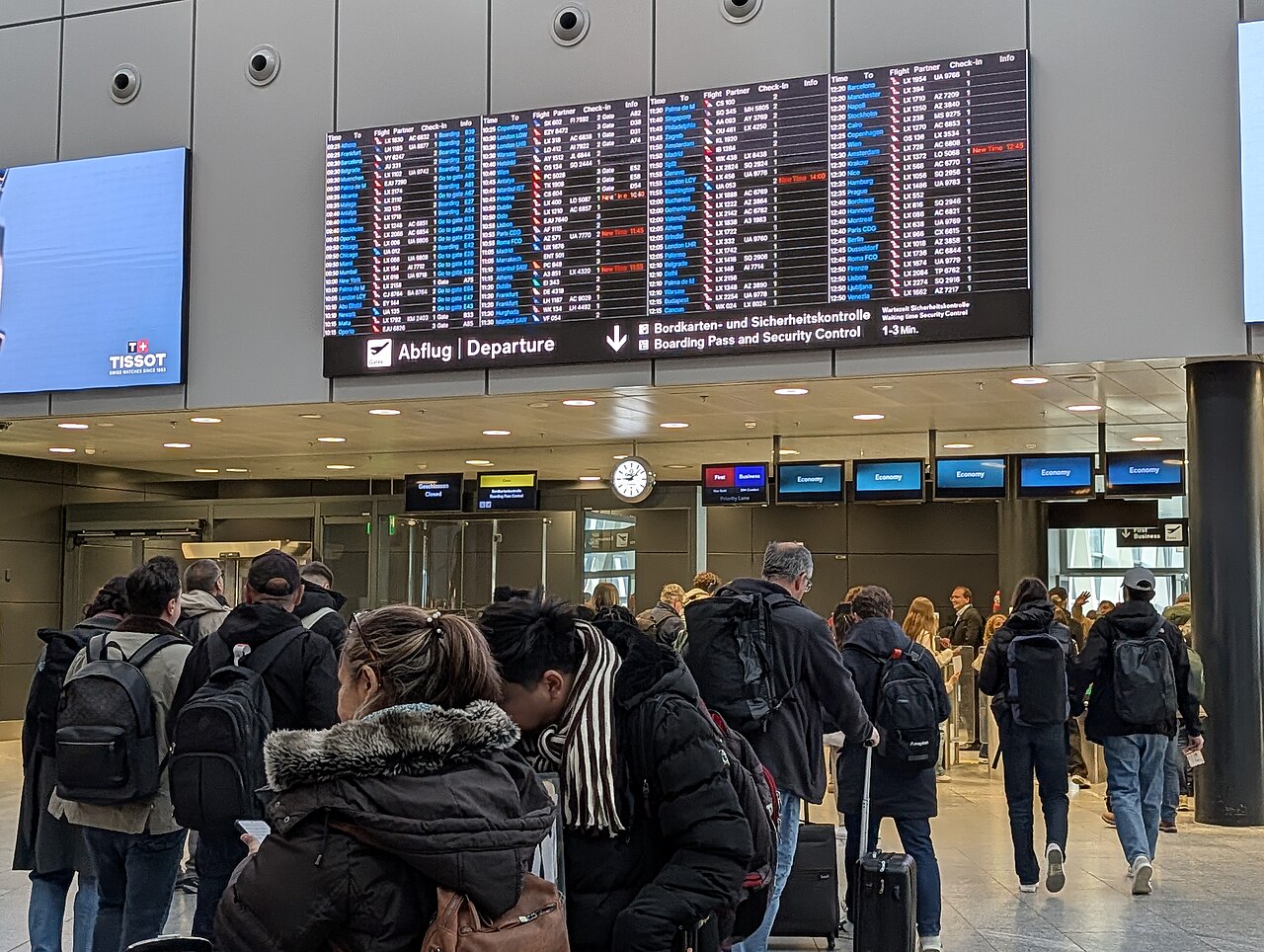
Representative photo showing travelers navigating an airport terminal, reflecting the preparation needed for a smooth security checkpoint experience. Photo: Stimpy / Wikimedia Commons · CC BY-SA 4.0. Resized for display. Sources checked October 28, 2026.
Advertisement · From our publishing familyDiscover something new ↗