Note: This is a research-based guide prepared with AI assistance. No site visits or hands-on tests were conducted.
Planning a family excursion to a U.S. National Park Service (NPS) site requires more than selecting a destination; it demands a rigorous logistical framework that accounts for the specific developmental needs of children and the operational realities of public lands. As families look toward November and the onset of winter, understanding the structured resources available through the NPS can transform a standard excursion into a purposeful, educational experience. By approaching the national park system as a managed infrastructure rather than a generic recreational space, families can mitigate the risks associated with shoulder-season travel and maximize the educational value of their journey.
The Junior Ranger Framework as a Planning Tool
Rather than viewing Junior Ranger programs as a post-arrival activity, strategic planners should integrate them into the pre-trip itinerary. These programs are designed to connect families to the specific history, geology, and ecology of a site, functioning as a structured curriculum that keeps children engaged with the environment. According to the National Park Service, most of the more than 400 NPS sites offer these programs, which typically require participation in engaging activities often found in a free, site-specific booklet. For the strategic planner, the key is to visit the specific park website before departure. This allows parents to identify if a program is active, what the requirements are, and how to access the materials, ensuring the trip has a built-in educational structure. The process of becoming a Junior Ranger involves three key steps: visiting the site, exploring through activities, and taking a pledge to keep parks safe. By reviewing these requirements in advance, families can align their itinerary with the park’s specific educational offerings.
Junior Ranger Planning Checklist
- Pre-Departure Verification: Visit the official NPS webpage for the specific park to confirm if a Junior Ranger program is currently active.
- Material Procurement: Check if activity booklets are available for download or if they must be collected at a visitor center.
- Goal Setting: Discuss the Junior Ranger pledge with children before departure to establish expectations regarding safety and environmental stewardship.
- Logistical Contingency: If a park is out of badges or cannot accommodate the program, have a secondary educational activity planned to maintain the trip’s focus.
Leveraging Federal Access Programs for Budget Resilience
Financial and logistical planning should always include a review of current federal access initiatives. For families with children in the fourth grade, the Every Kid Outdoors program provides a significant logistical advantage. This initiative allows U.S. fourth graders and their family members free access to over 2,000 federal lands and waters. As noted by the U.S. National Park Service, the program runs annually from September 1 through August 31. Families can obtain a paper voucher or a digital pass, which serves as a foundational element for a budget-conscious itinerary. It is essential to secure this pass before travel, as it streamlines entry and facilitates access to a wide array of public lands. This program is not merely a cost-saving measure; it is a tool for encouraging consistent engagement with public lands throughout the school year, allowing families to build a habit of responsible travel.
Operationalizing the Visit: Safety and Pacing
When planning outdoor activities, the transition from urban environments to park terrain requires a shift in safety expectations. The NPS Planning Guide emphasizes that parents should treat camping and hiking with children as distinct skill sets. In the context of November travel, where daylight hours are reduced and weather patterns are volatile, pacing is critical. A successful family itinerary should prioritize resilience. As discussed in our guide on Strategic Family Transit, security and logistical preparedness are the bedrocks of a successful trip. Furthermore, because children have different energy levels and recovery needs, it is imperative to integrate downtime into the schedule. Refer to our framework on Building Rest Into a Family Itinerary to ensure that the pace of the trip remains sustainable. By treating arrival and departure days as significant logistical events rather than travel-free days, families can avoid the fatigue that often compromises safety and enjoyment in the field.
Operational Best Practices for Family Park Visits
- Condition Assessment: Always check the specific park website for current status updates, as conditions in national parks can change rapidly due to weather or seasonal shifts.
- Defined Pacing: Avoid over-scheduling. The goal is to develop a lifelong relationship with nature, which is best achieved through manageable, age-appropriate activities rather than aggressive, high-volume checklists.
- Safety Protocols: Establish clear safety rules before leaving the vehicle. This includes staying on marked trails, understanding the local wildlife guidelines provided by the park, and maintaining a designated turnaround time for all hikes.
- Buffer Time: Treat arrival and departure days as significant logistical events. Allow extra time for travel to and from remote park entrances, particularly in areas with limited cellular service or challenging terrain.
Strategic Planning for Diverse Park Environments
The National Park Service manages a vast diversity of environments, from coastal zones to high-altitude mountain ranges. Planning for a family trip requires recognizing that the same logistical rules do not apply to every site. A desert park in November may require different hydration and UV protection strategies than a temperate forest in the Pacific Northwest. Families should utilize the search tools on the NPS Kids in Parks portal to narrow down locations based on specific interests, such as history, wildlife, or geology. By selecting a destination that aligns with the family’s existing interests, parents can ensure that the children remain engaged and that the trip feels like a cohesive narrative rather than a disjointed collection of stops. Ultimately, the success of a family park trip is defined by the quality of the preparation. By leveraging official NPS resources, maintaining a flexible pace, and prioritizing safety, families can create a reliable framework for exploring the American landscape throughout the year.
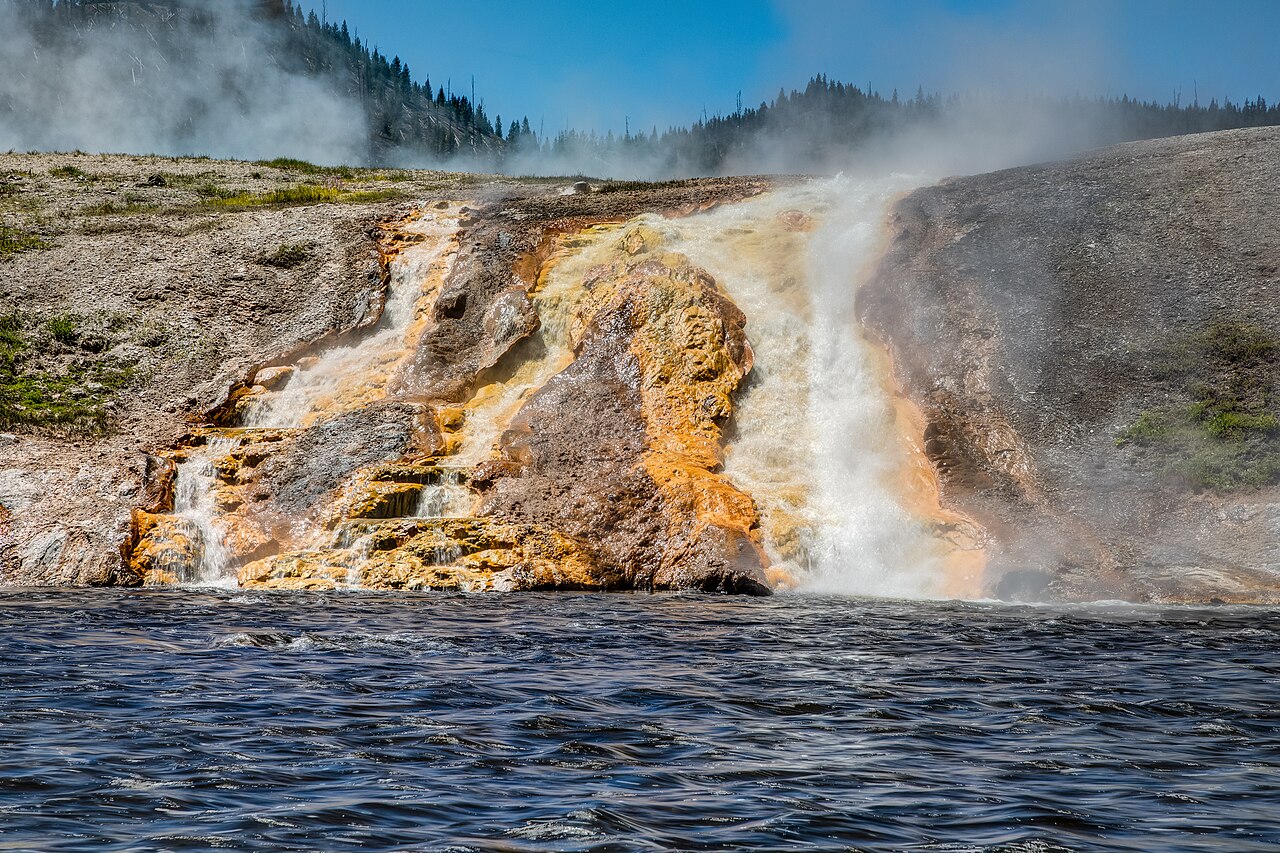
Representative photo of a U.S. National Park, illustrating the diverse and managed natural environments that require careful logistical planning for family visits. Photo: Dietmar Rabich / Wikimedia Commons · CC BY-SA 4.0. Resized for display. Sources checked November 4, 2026.
Advertisement · From our publishing familyDiscover something new ↗