The Strategic Culinary Pivot
November represents a critical transition in the global culinary calendar. As the Northern Hemisphere shifts from the harvest abundance of autumn into the more reflective, cooler months of early winter, the traveler’s approach to dining must evolve. Whether you are navigating the highly ritualized etiquette of a Japanese washoku meal or adapting to the changing seasonal menus in European cities, success lies in your ability to observe, prepare, and respect local norms. For a comprehensive approach to this, see The Better Way to Plan a Food-Focused Trip, which emphasizes the necessity of pre-trip research over spontaneous assumptions.
Mastering Japanese Gastronomy: Precision and Respect
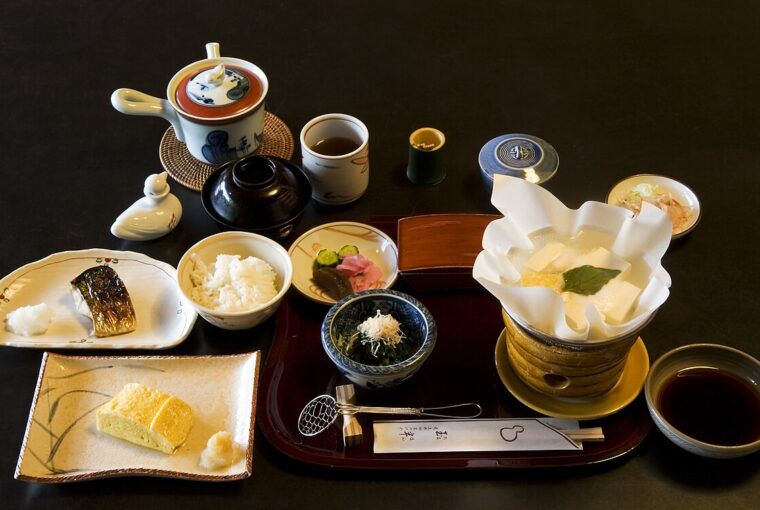
In Japan, the dining experience is deeply rooted in omotenashi, a philosophy of hospitality that invites guests to show appreciation for the host’s efforts. According to the Japanese Food Etiquette Guide (checked November 4, 2026), this translates to specific behavioral expectations that enhance the meal for everyone involved. Understanding these is not merely about etiquette; it is about engaging with the cultural history of the dish.
- Respecting the Meal: It is customary to consume the entire meal provided, honoring the ingredients and the host. The focus is on balance, utilizing dashi—a broth made from umami-rich ingredients like bonito or kelp—to tie together sweet, sour, salt, and bitter flavors.
- Chopstick Protocol: Avoid common faux pas such as using chopsticks to pull plates, pointing, or skewering food. Most significantly, never stick chopsticks vertically into a bowl of rice or pass food directly from chopstick to chopstick. These actions carry significant cultural weight and should be avoided.
- Beverage Service: When pouring drinks, hold the bottle with your right hand while supporting the base with your left. Crucially, do not pour for yourself; allow your dining companions to fill your glass, and reciprocate the gesture.
- Tipping Realities: Contrary to many Western customs, tipping is not standard in Japan. As noted by the Japan National Tourism Organization (checked November 4, 2026), tipping for restaurant service is not expected. In rare instances where a private guide accustomed to international practices is engaged, a gratuity may be offered discreetly in an envelope, though it remains entirely optional.
Adapting to the European Autumn-to-Winter Transition
While Japan offers a highly structured dining environment, European destinations often present a more fluid seasonal shift in November. As temperatures drop, menus in cities like Madrid, Barcelona, and Seville begin to pivot toward heartier, seasonal offerings. According to Spanish Tourism (checked November 4, 2026), the autumn-to-winter period is characterized by a focus on regional specialties that reflect the changing landscape. Unlike the rigid etiquette of East Asia, European dining often relies on a more relaxed, social cadence. However, travelers should still maintain a level of cultural literacy. For further guidance on maintaining this balance, refer to Dining Across Cultures: A Strategic Etiquette Guide.
Strategic Checklist for the Culinary Traveler
To ensure your culinary experiences remain respectful and rewarding during this seasonal transition, apply the following planning framework:
- Research Regional Ingredients: Before arriving, investigate the seasonal specialties of your destination. Understanding the “why” behind a dish—such as the specific use of umami-rich dashi in Japan or the seasonal harvest in Spain—adds significant depth to your appreciation.
- Verify Local Customs: Do not assume your home country’s dining norms apply elsewhere. From the placement of dishes in a Japanese meal (rice front-left, soup front-right) to the pacing of European cafe culture, observation is your best tool.
- Prioritize Reservations: November can see shifts in operating hours due to late-autumn festivals or seasonal closures. Always verify the status of preferred restaurants through official channels rather than relying on outdated online information.
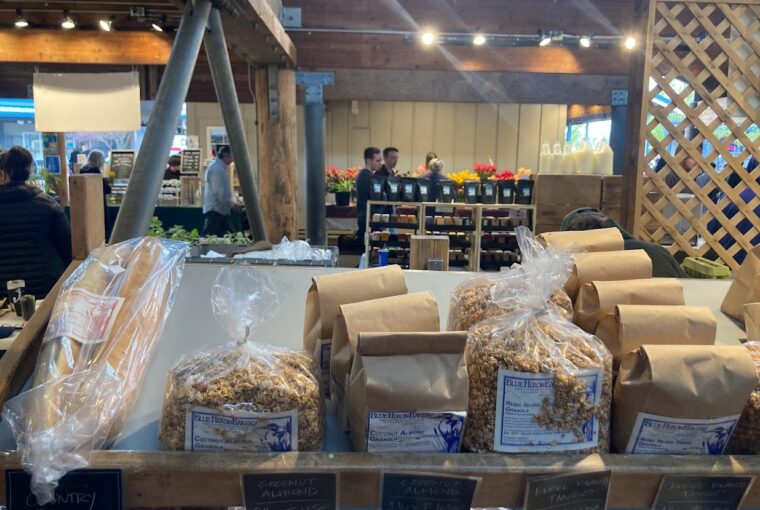
- Maintain Flexibility: Use your itinerary as a guide, not a rigid mandate. Leave room for spontaneous discoveries at local markets, which often reveal more about a region’s food culture than a pre-booked tasting menu.
- Document Responsibly: When photographing food or the dining environment, prioritize the comfort of other diners and the staff. Always seek permission in intimate settings to avoid disrupting the atmosphere of the establishment.
Note: This guide was prepared with AI assistance and is based on research from the provided sources. No visits or hands-on tests were conducted.
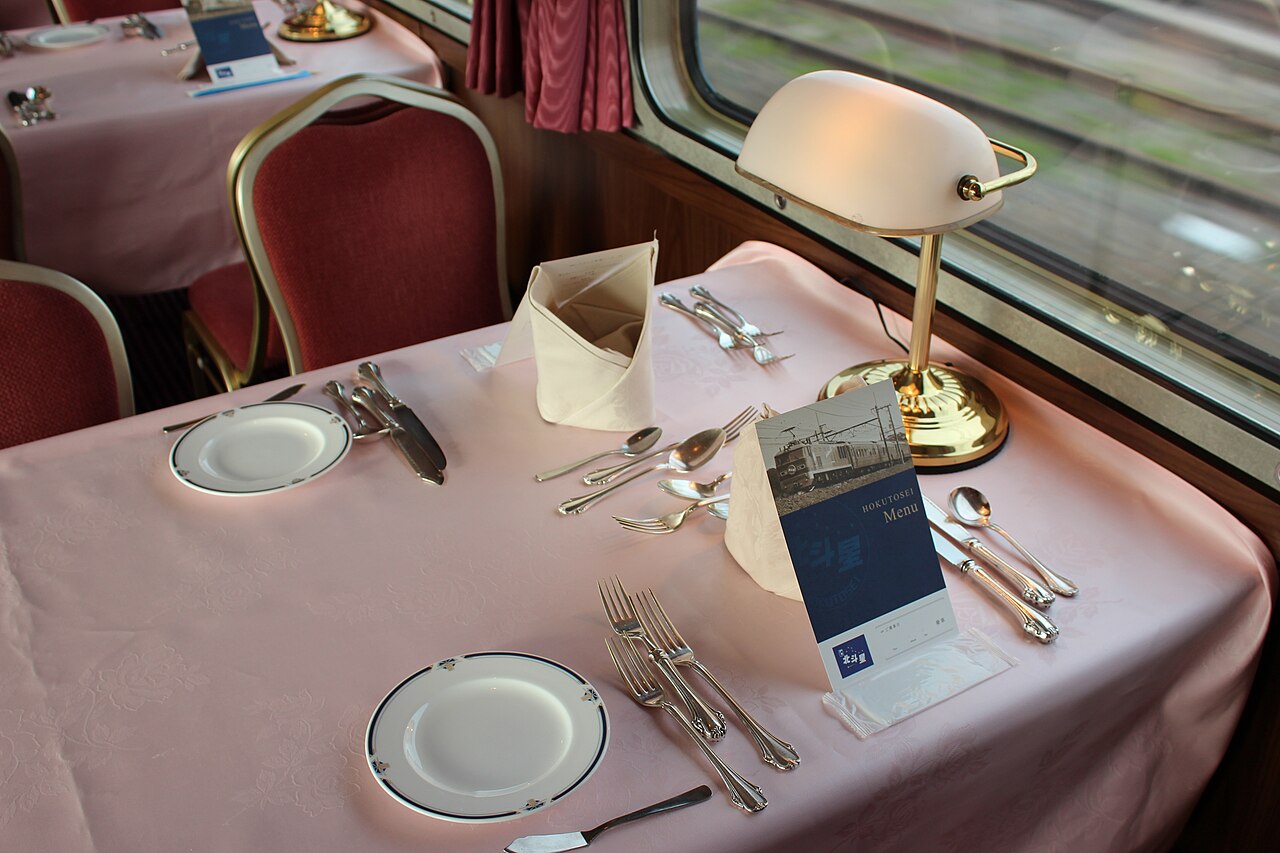
Representative photo: A refined table setting highlights the importance of atmosphere and preparation in the culinary traveler’s experience. Photo: Rsa / Wikimedia Commons · CC BY-SA 3.0. Resized for display. Sources checked November 4, 2026.
Advertisement · From our publishing familyDiscover something new ↗