Note: This is a research-based guide prepared with AI assistance. No visit or hands-on test was conducted.
For the traveler, dining in a foreign country is often the most intimate way to engage with a new culture. In Japan, where the culinary traditions are deeply intertwined with history and social philosophy, the act of eating goes beyond mere sustenance. It is a structured performance of respect, appreciation, and mindfulness. Whether you are planning a long-awaited trip to Tokyo or a quiet exploration of regional prefectures, understanding the nuances of Japanese dining can transform your experience from a passive consumption of food into a meaningful cultural exchange.
The Tipping Paradox: Understanding Kokorozuke
One of the most common points of friction for travelers in Japan is the concept of gratuity. In many Western cultures, tipping is an essential component of the service economy, a way to acknowledge exceptional effort or simply to bridge the gap in a server’s wages. However, Japan operates on a fundamentally different social contract. According to the Japan National Tourism Organization (JNTO), tipping is not a standard practice in bars, cafes, restaurants, taxis, or hotels. In fact, attempting to leave a tip in a standard establishment may cause confusion or be politely declined, as the price on the bill is considered the final and sufficient cost for the services rendered.
This does not mean that gratitude goes unexpressed. There is a Japanese custom known as kokorozuke, which translates roughly to a gratuity that comes “from the heart.” This is not a transactional tip but a gesture of appreciation for extraordinary service, often reserved for scenarios involving private guides, interpreters, or specialized hosts who are accustomed to international practices. If you find yourself in a situation where such a gesture feels appropriate, the JNTO advises that it should be done discreetly. It is customary to place the money inside a small envelope—which can be purchased at convenience stores or 100-yen shops—rather than handing over loose cash. By adhering to this, you honor the local custom while effectively communicating your gratitude without disrupting the service dynamic.
Mastering the Table: Etiquette and Mechanics
Japanese cuisine, or washoku, was added to the UNESCO Intangible Cultural Heritage List in 2013, a recognition of its profound respect for seasonality and the beauty of ingredients. When dining, this respect extends to the table. As detailed in the Japanese Food Etiquette Guide provided by the JNTO, table manners are essentially a way for guests to acknowledge the effort the host has invested in the meal. This is rooted in the omotenashi mentality—a Japanese approach to hospitality that anticipates the needs of the guest.
For travelers looking to align their behavior with local expectations, consider these research-based guidelines:
- Chopstick Protocol: Avoid common faux pas such as using chopsticks to pull dishes toward you, stabbing food, or using them to pass items directly to another person’s chopsticks. Most importantly, never stick your chopsticks vertically into a bowl of rice, as this mimics funeral rites.
- Table Mechanics: Do not place your elbows on the table. It is perfectly acceptable—and often encouraged—to lift smaller serving dishes toward your mouth to avoid spilling.
- Communal Dining: When sharing dishes, do not eat directly from the communal platter. Always transfer a portion to your own plate first.
- Drink Service: If you are dining with others, it is polite to pour drinks for your companions, but you should not pour for yourself. Instead, allow someone else to fill your glass.
For a broader perspective on how to handle these interactions, our guide to Restaurant Etiquette Around the World provides additional context on how to adapt your behavior across different cultures while maintaining a respectful profile.
Bringing the Culinary Experience Home
The desire to bring a taste of your travels home is natural, particularly after a trip defined by exceptional meals. However, the logistical reality of international travel requires careful planning regarding what can and cannot cross borders. Before you purchase food items or souvenirs to pack in your luggage, you must consult the regulations of your home country. For U.S. citizens, the U.S. Customs and Border Protection (CBP) provides comprehensive resources on prohibited and restricted items. Agriculture regulations are stringent, and what seems like a harmless souvenir—such as certain types of dried fruits, meats, or plants—may be strictly forbidden to prevent the spread of pests and diseases.
Before you commit to buying a specialty food item, use the following framework to ensure it makes it through customs:
- Check the Prohibited List: Visit the CBP website to review the current list of restricted items before you leave for your trip.
- Prioritize Non-Perishables: Generally, commercially packaged, shelf-stable, and fully cooked items are easier to clear than fresh produce or raw meats.
- Declare Everything: When in doubt, always declare the item on your customs form. Failure to declare an item can lead to confiscation and potential fines, whereas declaring it simply gives the officer the opportunity to inspect and clear it.
For further advice on navigating these logistics, refer to our article on Bringing Food and Souvenirs Home, which offers a more detailed look at the customs planning process. By combining an understanding of local dining etiquette with a clear plan for your return journey, you ensure that your trip remains as stress-free and respectful as possible from arrival to departure.
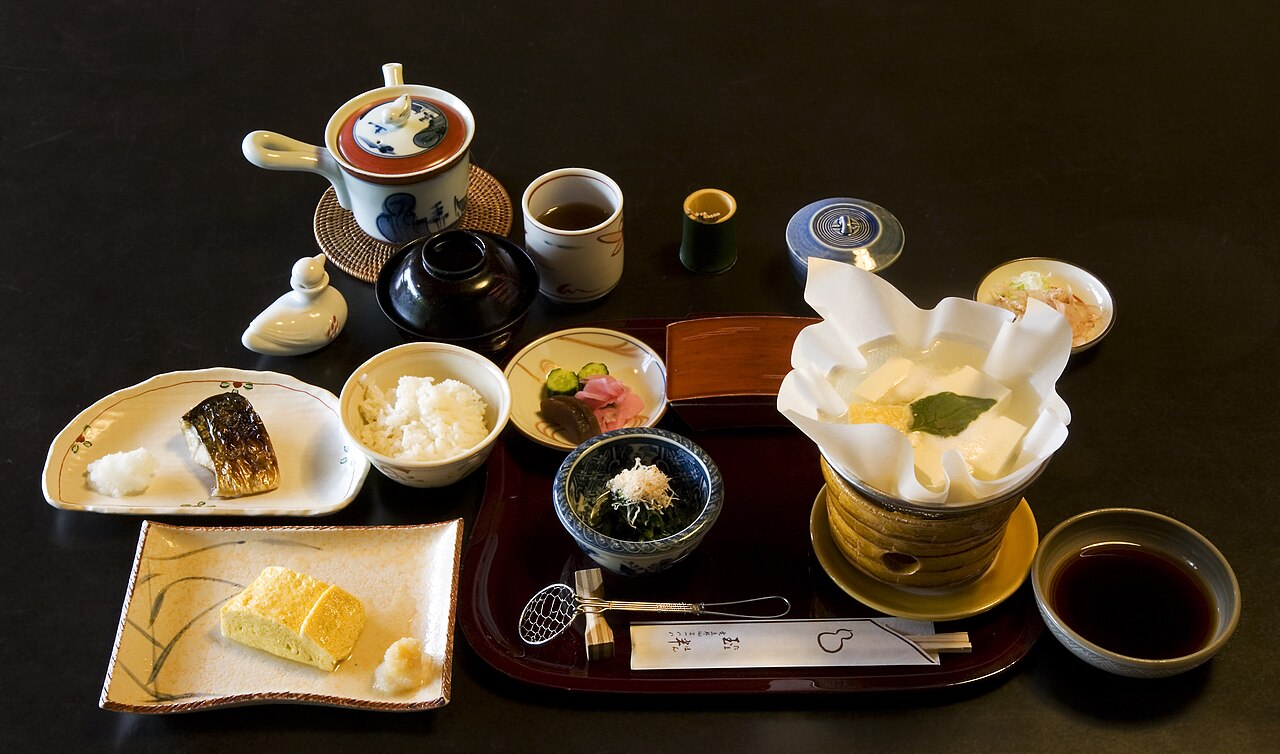
Representative photo: This traditional washoku meal illustrates the structured presentation and multiple small dishes central to Japanese dining etiquette and the appreciation of ingredients. Photo: MichaelMaggs / Wikimedia Commons · CC BY-SA 3.0. Resized for display. Sources checked October 24, 2026.
Advertisement · From our publishing familyDiscover something new ↗