Note: This guide is a research-based resource prepared with AI assistance. No site visits or hands-on testing were conducted for this article.
For the dedicated culinary traveler, November represents a distinct operational pivot. As the northern hemisphere cools and the harvest season concludes, the rhythm of food travel shifts from the outdoor, market-centric experiences of early autumn to more structured, indoor-focused dining. Whether you are finalizing a trip to the bustling markets of Spain or navigating the nuanced dining cultures of East Asia, success relies on more than just a reservation list. It requires a proactive approach to the logistics of transport, import regulations, and cultural etiquette. This framework provides the essential strategy for a seamless food-focused journey during the late-autumn transition.
The Logistics of Bringing Flavors Home
One of the most common pitfalls for the culinary traveler is the assumption that any regional delicacy can be transported across borders without consequence. The reality is governed by strict agricultural regulations designed to protect local ecosystems from invasive pests and diseases. Before you pack that jar of artisanal honey, local cured meat, or rare spice, you must consult the official guidelines for both your destination and your home country.
According to the U.S. Customs and Border Protection “Know Before You Go” guidance, travelers are responsible for understanding which items are prohibited or restricted. Bringing food into the United States is not a matter of personal preference but of rigorous compliance with agricultural safety standards. Travelers should verify the status of every item—especially meats, fruits, and dairy—before purchase. Relying on the assumption that an item is “common” enough to pass through customs is a strategic error that can lead to the confiscation of your goods, fines, or unnecessary delays at the border. For a deeper look at the preparation required, consult our guide on Bringing Food and Souvenirs Home: A Customs Planning Guide.
Checklist for Importing Food Items
- Verify Origin and Status: Check the CBP database to confirm if your specific item is prohibited. Is the item from a region currently under a pest or disease quarantine?
- Declare Everything: Always declare food items. The risk of fines or penalties for non-declaration far outweighs the minor inconvenience of a secondary inspection.
- Prioritize Original Packaging: Ensure items are in their original, unopened, and clearly labeled packaging. This allows customs officers to identify ingredients and origins quickly, reducing the likelihood of confusion.
- Research Before You Buy: Do not wait until you are at the airport to decide if an item is permissible. Use the “Know Before You Go” resources during the itinerary planning phase.
Cultural Etiquette as a Strategic Tool
The culinary experience extends well beyond the plate. Understanding the social contracts of dining is essential for a respectful and successful trip. In many Western cultures, tipping is an expected component of the service transaction, but this is far from a universal rule. Applying a “home-country” mindset to international dining can create awkward interactions or even cause unintentional offense.
In Japan, for example, the tipping culture is fundamentally different from that in the United States. As outlined by the Japan National Tourism Organization (JNTO), tipping for services in bars, cafes, restaurants, taxis, and hotels is not common practice. Instead, there is a concept known as kokorozuke, which translates to “coming from the heart.” This is a gesture of gratitude rather than a service fee. If you choose to engage in this practice—typically only when using a private guide or a service provider accustomed to international norms—it should be done with discretion, often using a small envelope rather than loose cash. For a comprehensive overview of how to navigate these expectations, see our article on Restaurant Etiquette Around the World: A Practical Traveler’s Guide.
Principles of Respectful Dining
- Observe Before Acting: Spend time in a destination observing local payment and interaction habits before assuming a service expectation exists.
- Ask, Don’t Assume: If you are unsure about a gratuity, ask your hotel concierge or a local guide about the specific norms for the region. Avoid imposing your own cultural expectations on service staff.
- Discretion is Key: In cultures where tipping is rare or considered a gesture of extreme gratitude, keep the transaction private to avoid drawing unnecessary attention.
Seasonal Planning for November Gastronomy
November offers a distinct rhythm for the food traveler. In many regions, the calendar is dictated by post-harvest events and festivals. Strategic planning requires aligning your itinerary with these local events rather than just following a general “best of” list. For instance, the Spanish tourism portal highlights a variety of events throughout November, ranging from film festivals in Seville to marathons in Malaga. These events often bring a surge in tourism, which impacts restaurant availability and local dining hours.
When planning a food-focused break in late autumn, consider the following strategic shifts to ensure your trip remains flexible and enjoyable:
- Event-Driven Booking: Large festivals or sporting events can dominate local dining scenes, filling restaurants that might otherwise be quiet. If your travel dates coincide with a major event, prioritize restaurant reservations well in advance.
- Weather-Adjusted Itineraries: As temperatures drop in late November, outdoor market visits may be less feasible or less comfortable. Shift your focus toward indoor dining experiences, cooking classes, or regional museums that explore local food history.
- The “Open Day” Strategy: Avoid over-scheduling your dining experiences. Leave at least one “open day” in your weeklong itinerary to explore local markets or follow recommendations from locals you meet, rather than strictly adhering to a pre-planned list of top-rated restaurants. This allows you to adapt to the reality of the destination rather than the expectation of your itinerary.
By integrating these logistical and cultural considerations into your planning, you transform food travel from a series of disconnected meals into a cohesive, respectful, and deeply informed exploration of your destination.
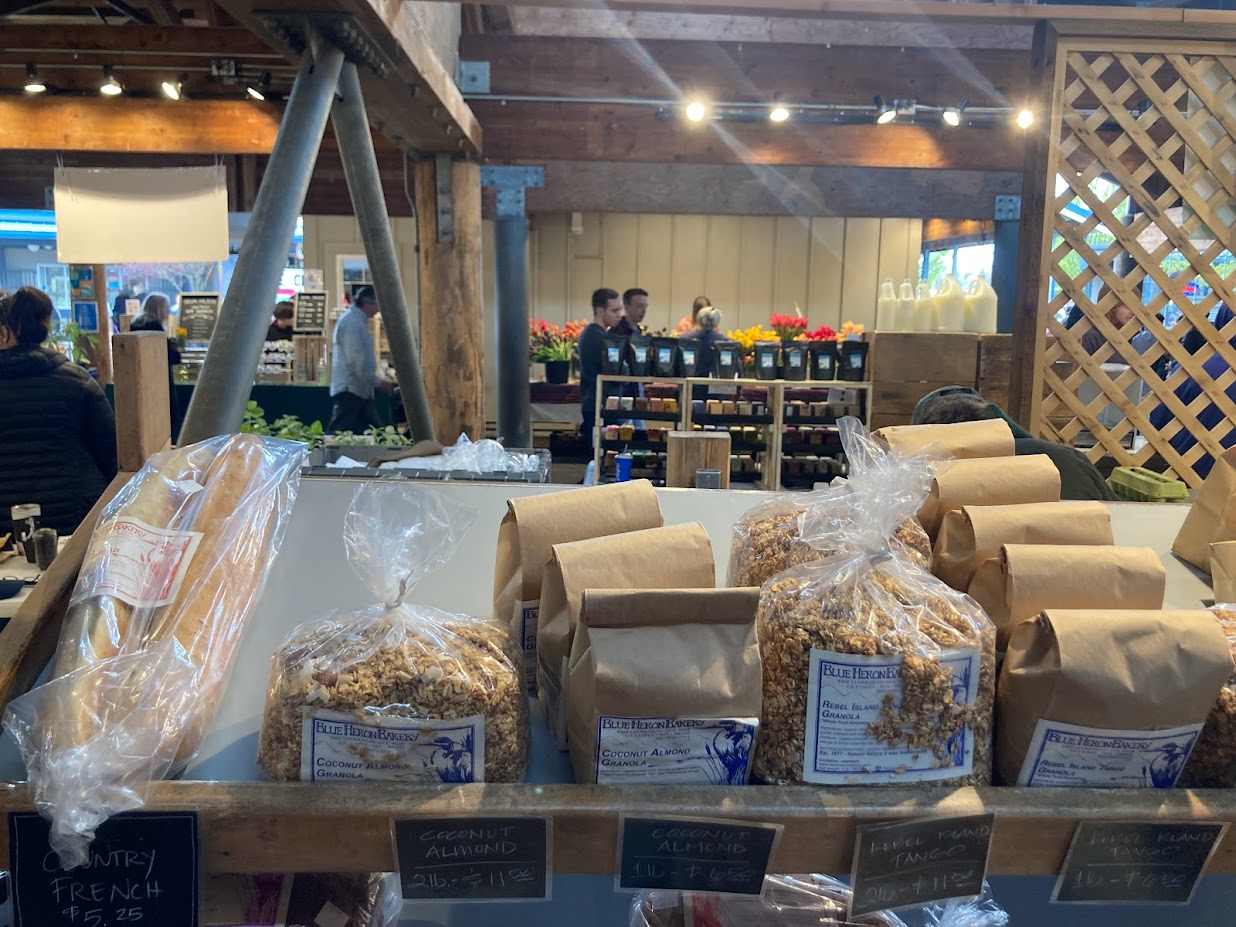
Representative photo. This image captures the essence of market-centric culinary travel, a key theme for planning food-focused trips. Photo: Mattsjc / Wikimedia Commons · CC BY-SA 4.0. Resized for display. Sources checked October 28, 2026.
Advertisement · From our publishing familyDiscover something new ↗