Research-based guide prepared with AI assistance; no visit or hands-on test was conducted.
For the traveler who values atmospheric shifts, early November in Québec City offers a distinct operational window. As the city transitions from the vibrant hues of autumn to the crisp, quiet anticipation of winter, the crowds dissipate, leaving behind a version of the city that feels both intimate and historically grounded. This 48-hour escape is designed to help you navigate this seasonal pivot, prioritizing deep exploration over a checklist of attractions.
The Late-Autumn Pivot: Why Québec City in November
November is a unique time in the fortified city. According to official destination data (checked 2026-11-02), Québec City serves as a four-season playground, but the late-autumn period is particularly suited for those who prefer a slower pace. The logic of a November trip is rooted in the opportunity to see the city’s architecture and historic neighborhoods without the peak-season density.
When planning a short-duration trip, the strategy should be to minimize transit time and maximize immersion. As outlined in A 48-Hour Late-Autumn Escape to Québec City, the key to a successful short trip is choosing a base that allows for immediate access to your primary interests. For a 48-hour window, we recommend anchoring your stay in one neighborhood to reduce the logistical friction of constant cross-town travel, a principle supported by The November Pivot: A Strategic Approach to Seasonal Travel.
Neighborhood-Centric Exploration
To truly understand the character of Québec City, one must look beyond the main tourist arteries. The city is defined by distinct neighborhoods, each offering a different lens on the local experience.
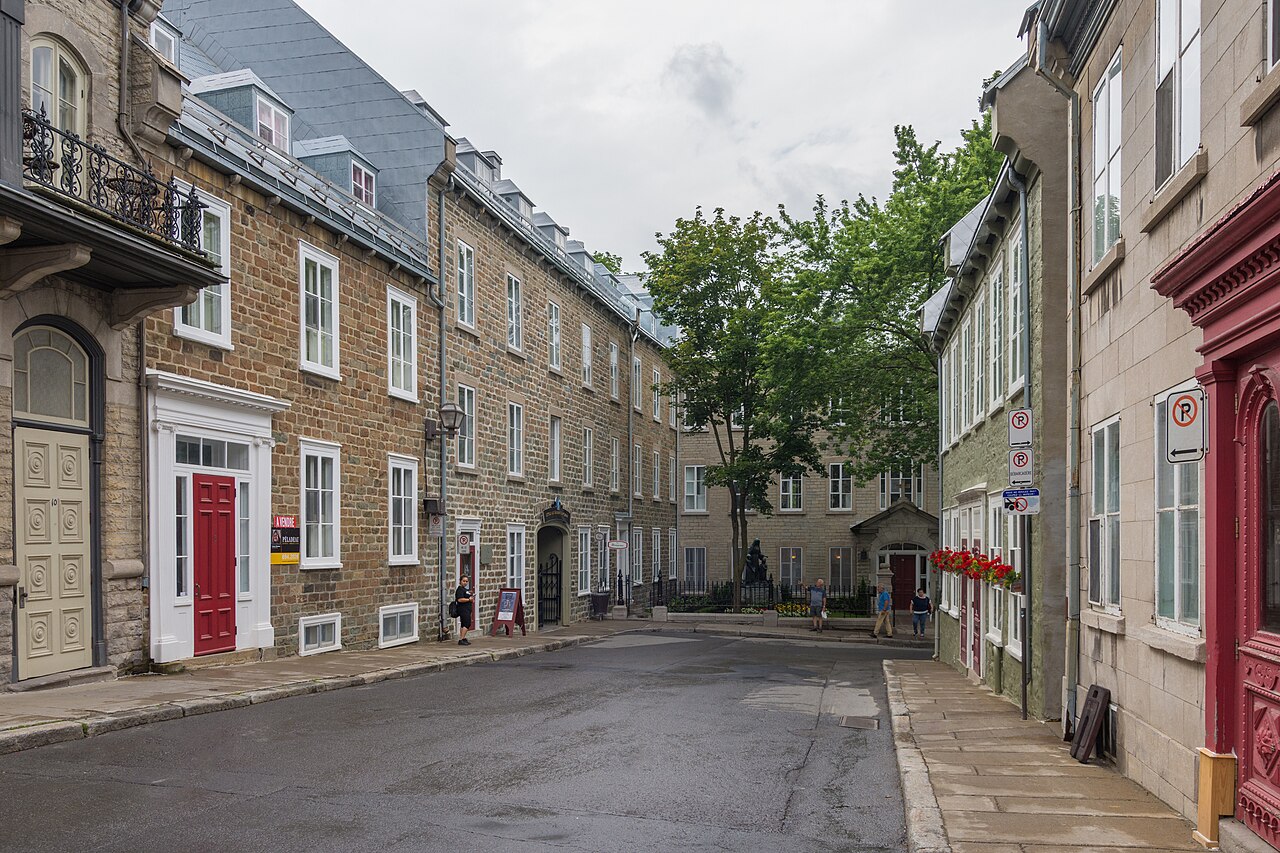
- Old Québec: This UNESCO World Heritage site is the obvious starting point for history lovers. The fortified walls provide a sense of scale and protection that is rare in North America. In November, the cobblestone streets are quieter, making it easier to appreciate the 400 years of history embedded in the architecture.
- Saint-Roch: For those seeking the contemporary pulse of the city, Saint-Roch is the choice. Similar to other revitalized urban districts, it has shifted from a working-class hub to a center for food, technology, and nightlife. It provides a necessary contrast to the historic Upper Town.
- Saint-Jean-Baptiste: If your priority is a bohemian, festive atmosphere, this neighborhood offers steep-sloped streets and colorful houses. It is a dense, walkable area that rewards the curious traveler who prefers to wander rather than follow a rigid itinerary.
When choosing your base, evaluate your priorities. If you are there for the architecture and the “only fortified city north of Mexico” experience, stay in Old Québec. If you prefer to eat and drink where the locals congregate, look toward Saint-Roch or Saint-Sauveur.
Strategic Planning for Variable Conditions
November weather in Eastern Canada is inherently variable. Planning for a 48-hour trip requires a flexible mindset. As noted in general travel preparation frameworks (checked 2026-11-02), the success of a shoulder-season trip often depends on accepting that weather windows are not guarantees.
Checklist for your 48-hour window:
- Arrival/Departure: Treat these as real days. If you arrive by flight (1.5 hours from New York or Toronto), ensure your first day is focused on local neighborhood acclimatization rather than heavy sightseeing.
- Transit Geography: Use the city’s natural geography to your advantage. The distinction between Upper and Lower Town is significant; plan your day to minimize the number of times you need to traverse the slope between them.
- Indoor Buffers: Given the potential for rain or early snow, build a “rainy-day version” of your itinerary. Identify museums like the Musée de la civilisation or the Musée national des beaux-arts du Québec as primary anchors for inclement weather.
- Food Strategy: Research regional dishes before you arrive. Use the quiet of November to secure reservations at restaurants that might be difficult to access during the summer months.
By narrowing your focus to one or two neighborhoods and accepting the seasonal reality of the climate, you can transform a short 48-hour trip into a deeply restorative experience that avoids the common pitfalls of over-scheduling.
Sources
- Québec City Tourism Official Website (Checked: 2026-11-02)
- Switzerland Tourism Planning Guide (Checked: 2026-11-02)
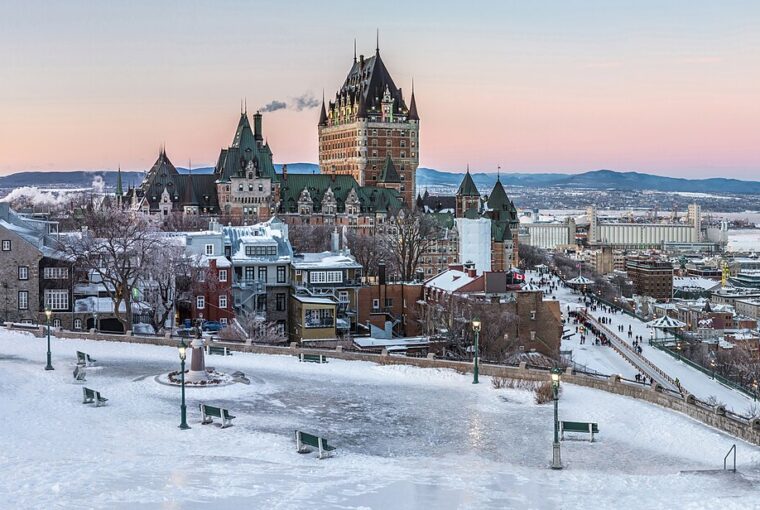
Representative photo showing the historic architecture and quiet, walkable atmosphere of Old Quebec that defines the late-autumn experience. Photo: Wilfredor / Wikimedia Commons · CC BY-SA 4.0. Resized for display. Sources checked November 2, 2026.
Advertisement · From our publishing familyDiscover something new ↗