The November Logistics of the Short-Stay Pivot
Planning a 48-hour getaway in November presents a unique logistical challenge: the transition from peak-season accessibility to off-season operations. Whether you are aiming for the fortified streets of North America or the coastal landscapes of the United Kingdom, the success of your trip hinges on how you manage the seasonal shift. November is not merely a date on the calendar; it is a period where daylight hours contract, weather becomes unpredictable, and service availability fluctuates. Rather than viewing this as a limitation, sophisticated travelers treat the shoulder season as a deliberate exercise in logistical precision. By focusing on transit, infrastructure, and local operational rhythms, you can design a 48-hour escape that remains seamless despite the changing climate.
To build a resilient itinerary, you must first assess the specific logistical demands of your destination. For instance, in historic cities where the built environment is centuries old, the infrastructure—such as cobblestone paths or steep inclines—requires different preparation than a modern urban center. As noted in the official Quebec City tourism guide, the city is a UNESCO World Heritage treasure, which implies that accessibility and movement are deeply tied to its historic layout. Similarly, when planning for Scotland, the VisitScotland portal emphasizes that travelers should start planning with practical guidance for every season, acknowledging that the unique landscape demands a clear understanding of transport options, from trains to ferry crossings. Your 48-hour window is too short to recover from poor planning, so the strategy must be proactive.
Quebec City: Navigating Fortified Terrain
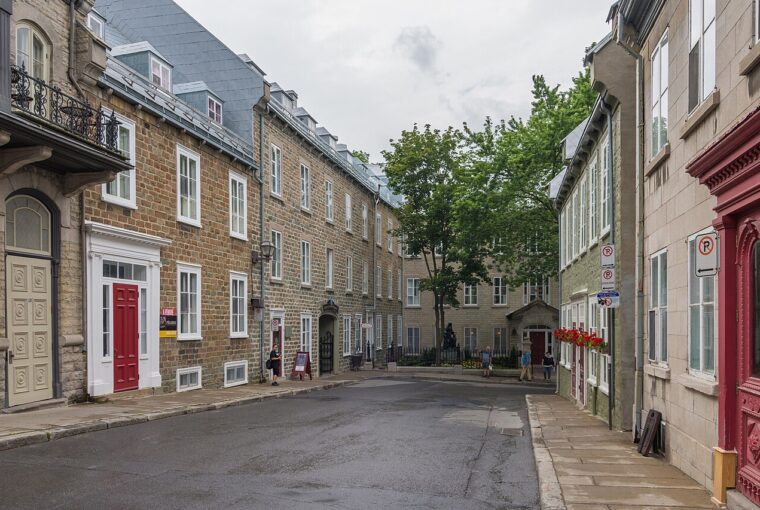
Quebec City serves as a prime example of why a destination-specific logistical audit is necessary. The city’s status as the only fortified city north of Mexico creates a distinct environment for the traveler. When planning a 48-hour trip here in November, the primary logistical factor is the interaction between the historic architecture and the late-autumn weather. The steep-sloped streets of the Saint-Jean-Baptiste neighbourhood or the narrow alleys of the Upper Town are charming but can become challenging if you have not planned your footwear or route accordingly.
For a detailed breakdown of how to manage these specific conditions, see Navigating Quebec City: A 48-Hour Late-Autumn Framework. When constructing your itinerary, prioritize transit geography to reduce daily backtracking. Because the city is walkable, your biggest logistical risk is over-committing to a pace that ignores the necessity of indoor recovery time. Use the mid-day hours for outdoor exploration of the fortifications or the historic districts, and reserve the early evening for the indoor cultural experiences that define the city’s character. This is not just about comfort; it is about ensuring your limited time is spent experiencing the destination rather than navigating transit fatigue.
Scotland: Managing Coastal and Rural Transitions
In contrast to the dense, vertical nature of an old fortified city, a 48-hour escape to Scotland in November requires a pivot toward managing distance and weather-dependent transit. Whether you are exploring the coastlines or the countryside, the challenge lies in the variability of the journey. As the official tourism guidance suggests, you should look beyond the destination and embrace the journey, which means evaluating whether a train, coach, or car is the most resilient option for your specific dates.
For those considering this region, refer to A 48-Hour Scottish Autumn Planning Guide for insights on balancing these travel modes. A common mistake in November is over-estimating the speed of travel in rural areas. Daylight is precious, and weather windows are not guarantees. If your itinerary involves moving between towns or reaching a specific viewpoint, build in a significant buffer. A 48-hour trip to Scotland should ideally be anchored in one or two bases rather than attempting to cover multiple regions, which would only increase the risk of transit delays. By focusing your efforts, you ensure that even if the weather shifts, your core itinerary remains intact and accessible.
A 48-Hour Decision Framework
Regardless of the destination, applying a standard logistical audit to your 48-hour plan will increase the probability of a successful trip. Consider the following checklist when finalizing your November departure:
- Audit Your Transit Geography: Use a map to visualize your daily movements. Are you backtracking? Can you group activities by neighborhood or transit line to minimize travel time?
- Verify Seasonal Access: Do not assume that a site open in summer is open in November. Check specific operational hours for museums, ferries, and regional transport.
- Build a Weather-Resilient Itinerary: Always have a ‘Plan B’ for outdoor activities. If you are planning a walking tour, identify indoor alternatives or cafes nearby where you can wait out a weather shift.
- Measure Your Pace: A 48-hour trip is not a vacation; it is a tactical visit. Plan for one major activity per half-day, leaving the rest of the time for spontaneous exploration or necessary recovery.
- Assess Your Gear: Are you prepared for the specific terrain of your destination? Historic cities require different footwear than coastal paths.
By treating your 48-hour escape as a logistical project rather than a spontaneous whim, you reclaim the time that is often lost to poor planning. Whether you find yourself on the cobblestones of a fortified city or the rugged coast of the north, the principles of strategic travel remain the same: understand the terrain, respect the seasonal limitations, and build a plan that supports your goals.
Note: This is a research-based guide prepared with AI assistance; no visit or hands-on test was conducted.
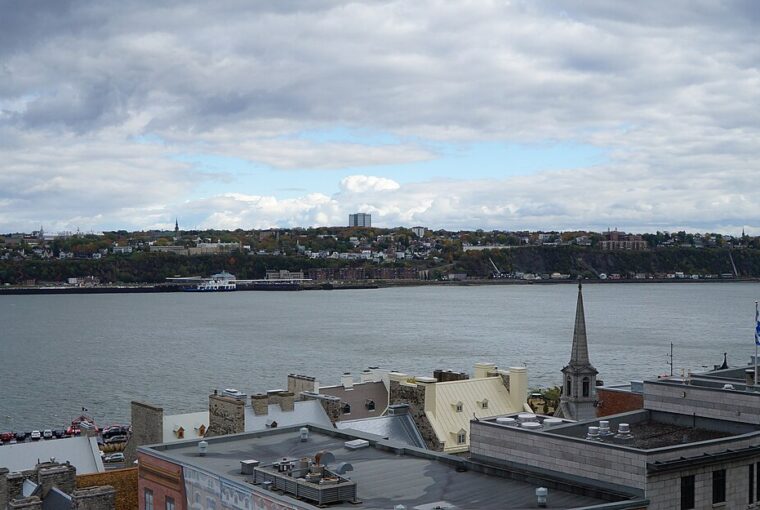
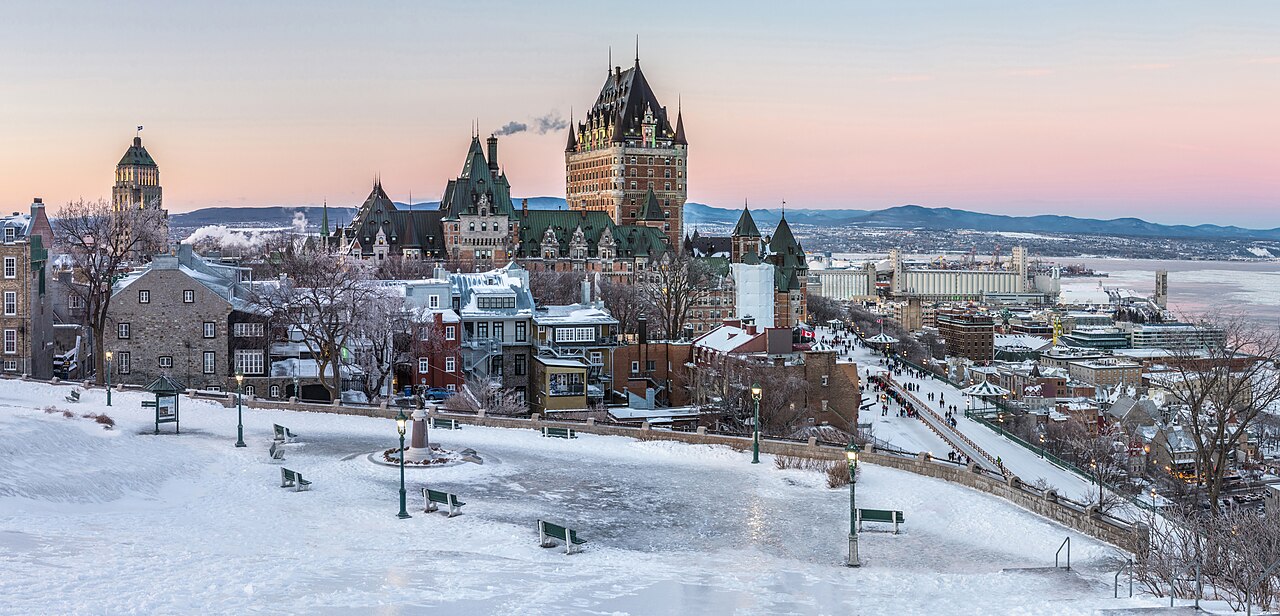
Representative photo illustrating the logistical reality of traveling to historic, northern destinations in late autumn, where weather conditions require careful planning and preparation. Photo: Wilfredor / Wikimedia Commons · CC BY-SA 4.0. Resized for display. Sources checked November 6, 2026.
Advertisement · From our publishing familyDiscover something new ↗