Note: This research-based guide was prepared with AI assistance; no visit or hands-on test was conducted.
The month of November occupies a specific, often misunderstood space in the travel calendar. In many northern destinations, it represents a period of profound transition—a time when the vibrant foliage of early autumn has long since faded, and the definitive, snow-covered stillness of winter has yet to fully settle. For the traveler, this period requires a specific, proactive approach to planning. A 48-hour escape to Québec City during this window is not about chasing the last of the harvest season or the first of the ski season; it is about engaging with the city’s enduring urban architecture and distinct neighborhood cultures while navigating the logistical realities of a shoulder-season landscape.
The Vertical Geography of the November Pivot
Québec City is defined by a dramatic, vertical geography that dictates how a traveler moves through the space. As noted by the Québec City Tourism Official Website, the city is the only fortified city north of Mexico, a UNESCO World Heritage treasure that demands a walking-first approach. When planning a short, 48-hour visit, it is essential to understand that the city is not a monolithic entity; it is a collection of distinct districts, each with its own rhythm and logistical requirements.
For the traveler, the primary decision in a 48-hour window is where to anchor the stay. The Upper Town (Old Québec) offers immediate, dense access to 400 years of history, with cobblestone streets and fortifications that are best explored on foot. However, for those seeking a more contemporary, local experience, the Lower Town districts—specifically Saint-Roch and Saint-Sauveur—offer a different perspective. As detailed in our previous analysis, A Slower Journey Through Québec City: Old Streets and Neighborhood Time, understanding the character of these neighborhoods allows you to tailor your 48 hours to your specific interests rather than simply following a generic sightseeing checklist.
Curating the 48-Hour Itinerary
In a short-duration trip, the risk of over-scheduling is high. November’s shorter daylight hours mean that your window for outdoor exploration is compressed. A strategic itinerary should focus on depth over breadth. If you choose to base yourself in the historic core, your focus should be on the architectural layers of the fortified city. If you choose Saint-Roch, your itinerary should pivot toward the city’s evolving culinary and technological scene, which has transformed from a working-class district into a vibrant hub of local innovation.
When building your plan, consider the following logistical breakdown to maintain a manageable pace:
- Morning (09:00 – 12:00): Utilize the early, crisp light for outdoor exploration. Whether walking the ramparts of Old Québec or exploring the riverside at the Parc de la Chute-Montmorency, this is the time to prioritize physical activity before the transition to indoor cultural sites.
- Afternoon (13:00 – 17:00): Transition to the city’s cultural institutions. The Musée de la civilisation or the Musée national des beaux-arts du Québec provide excellent, climate-controlled environments that are ideal for the November weather.
- Evening (18:00 onwards): Focus on the neighborhood dining culture. Districts like Saint-Jean-Baptiste, known for its steep-sloped streets and bohemian character, offer intimate, welcoming environments that are particularly suited to the quiet, introspective nature of late-autumn travel.
Logistical Resilience in the Shoulder Season
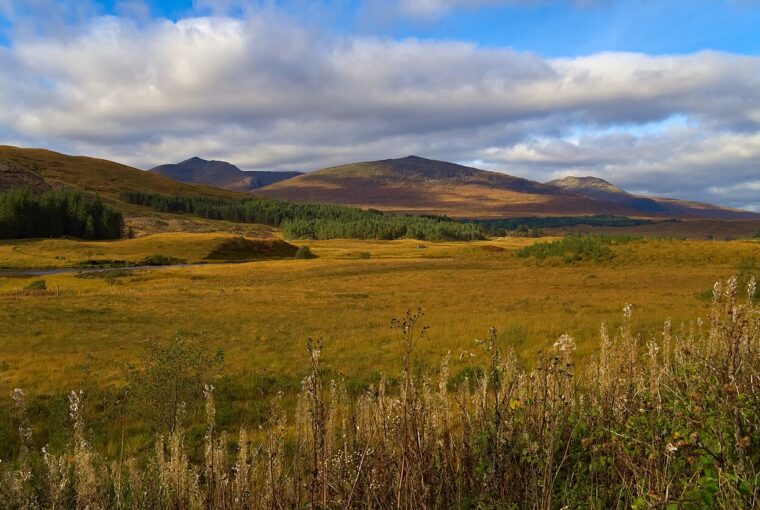
The success of any November trip hinges on logistical resilience. Because this is a shoulder season, travelers must be prepared for variable conditions. As outlined in Navigating the Late-Autumn Travel Transition: A Proactive Guide, the key to a successful trip is managing expectations regarding transit and weather. Much like planning a trip to Scotland where one must embrace the landscape regardless of the forecast, as advised by VisitScotland, the goal is to plan with confidence by understanding the seasonal realities of your destination. The proximity of the city to natural areas like the Jacques-Cartier region—often called the city’s “green belt”—means that a 48-hour trip can easily accommodate a half-day excursion into the outdoors, provided you have accounted for the necessary transit time.
To ensure your 48-hour escape remains seamless, adopt a “hub and spoke” model. Maintain a single, well-located hotel base to eliminate the friction of checking in and out, and treat the city as your primary anchor. Use the city’s official resources to monitor any seasonal closures or schedule changes, which are more common in November than during the peak summer months.
Practical Planning Checklist
- Define Your Base: Choose between the historic density of Old Québec or the modern, local atmosphere of the Lower Town (Saint-Roch or Saint-Sauveur) based on your primary interest.
- Assess Transit Needs: If you are arriving from Montreal (2.5 hours by car) or flying (1.5 hours from major hubs), factor in the transition time. Treat arrival and departure days as part of the experience, not just transit hurdles.
- Prioritize One Cultural Anchor: Do not attempt to visit every museum. Select one major collection or site to anchor your 48 hours, then build your wanderings around that geographic center.
- Prepare for Variable Weather: November in Québec can be damp and cool. Ensure your footwear is suitable for cobblestone streets and potential moisture, and plan your daily movement to account for the city’s significant verticality.
- Embrace the Local Calendar: Use the official city website to check for any local events or seasonal shifts that might impact site accessibility or dining hours.
By intentionally curating your 48 hours rather than rushing through a list of attractions, you can turn the late-autumn transition into an asset. The crowds are thinner, the pace is more measured, and the city reveals a different, more authentic side of its character. It is an opportunity to see the architecture, the history, and the daily life of Québec City without the noise of peak-season tourism.
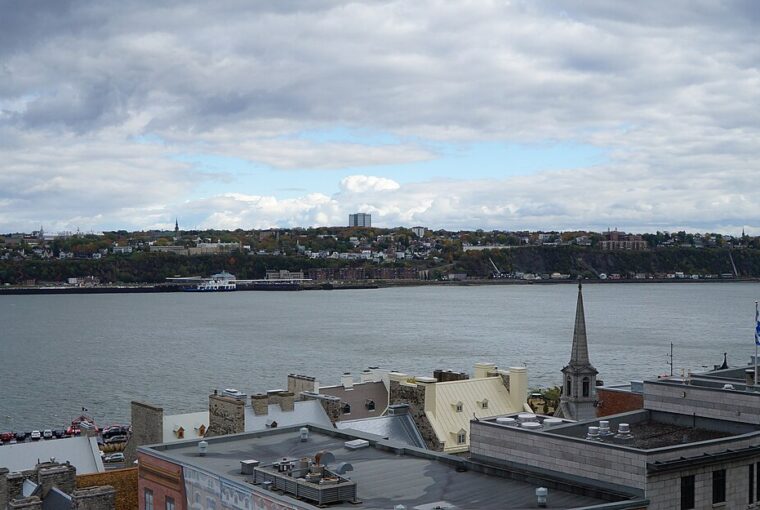
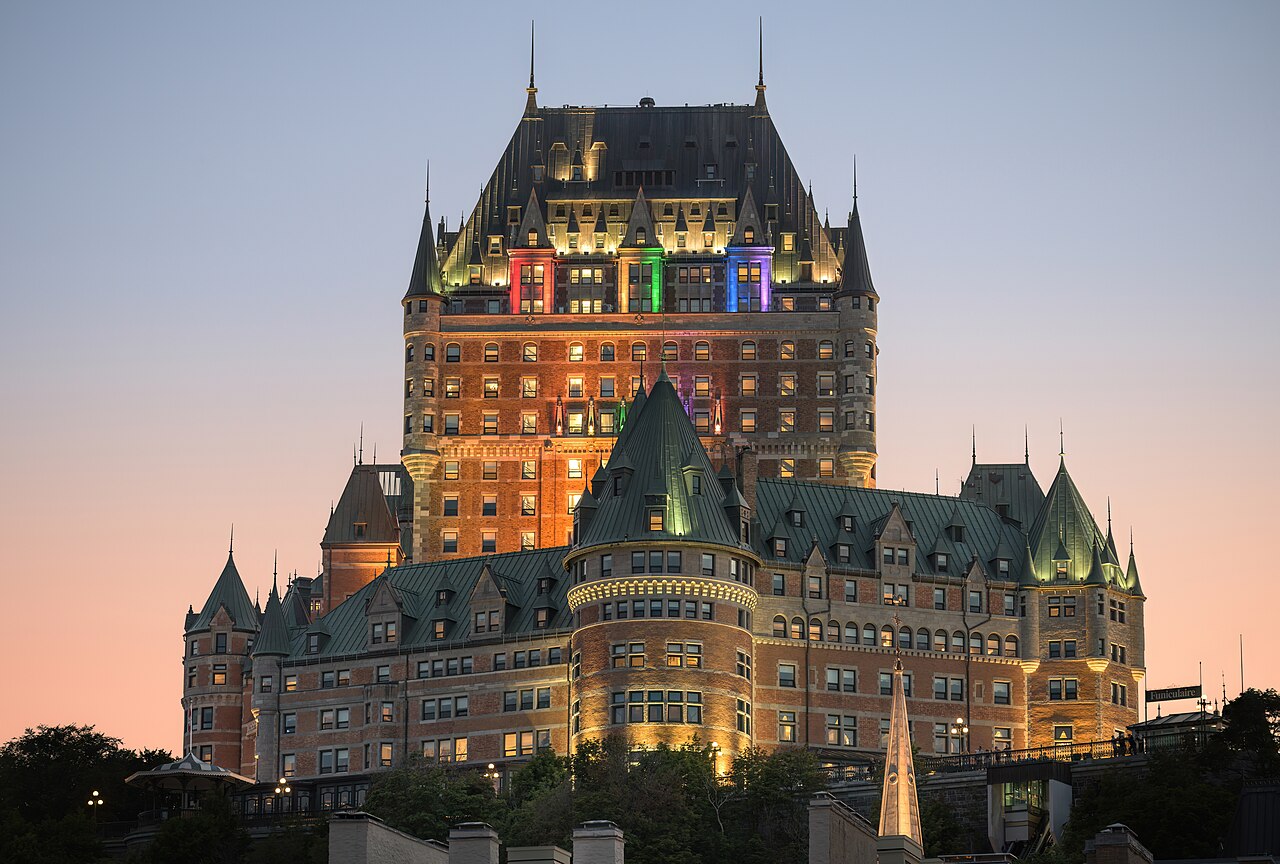
Representative photo: The historic architecture of the Chateau Frontenac serves as a central landmark for exploring the fortified Upper Town during a short visit. Photo: Wilfredor / Wikimedia Commons · CC0. Resized for display. Sources checked October 29, 2026.
Advertisement · From our publishing familyDiscover something new ↗