Note: This is a research-based guide prepared with AI assistance. No visit or hands-on test was conducted for this article.
November serves as a pivotal month for the modern traveler, acting as a bridge between the high-volume transit demands of the holiday season and the specific, often fragile, conditions of late-autumn outdoor environments. For the traveler, this requires a dual-focus strategy: mastering the rigid technical requirements of security checkpoints and adhering to the fluid, responsible ethics of outdoor engagement. Success during this transition depends on treating the airport and the trail as two distinct yet connected logistical environments, each requiring its own form of preparation.
The Security Protocol: Mastering the Airport Transition
The journey often begins in the terminal, where the Transportation Security Administration (TSA) mandates a specific set of procedures to ensure passenger safety. As travel volumes fluctuate in November, efficiency at the checkpoint is paramount. The primary logistical hurdle for many remains the liquid rule. Any substance that can be spilled, spread, sprayed, pumped, or poured must adhere to the 3.4-ounce (100 mL) limit for carry-on luggage. This rule applies to a wide range of items, including common seasonal gifts like jams, preserves, or specialty sauces. If these items exceed the 3.4-ounce threshold, they must be placed in checked baggage.
Strategic packing is the most effective way to mitigate stress during this phase. The TSA recommends starting with an empty bag to ensure that no prohibited items remain in hidden pockets or side compartments. For travelers transporting gifts, the approach should be minimalist and accessible. Wrapped presents are discouraged because security officers may need to inspect the contents; if a gift is fully wrapped, the paper may be damaged during this process. Instead, utilize gift bags or boxes with lids that can be easily removed. Furthermore, items such as snow globes, which contain liquid, should be placed in checked luggage to avoid issues at the security gate.
For those with medical requirements, the rules are more accommodating but require clear communication. Passengers may bring medications in pill or solid form in unlimited quantities, provided they are screened. Liquid medications exceeding 3.4 ounces are also permitted in carry-on bags, but the traveler must notify the officer at the start of the screening process. It is not necessary to present solid medication, but it is wise to keep all prescriptions accessible. For travelers with specialized medical equipment, such as insulin pumps or glucose monitors, the TSA provides specific guidance: inform officers of the device’s location before screening begins. If you are uncertain about specific items or need extra support, the TSA Cares program offers assistance for travelers with medical conditions or disabilities. For a deeper look at these logistical shifts, see Navigating the Late-November Seasonal Pivot.
The Outdoor Mandate: Respecting the Shoulder Season
Once the transit phase concludes and the traveler arrives at a natural destination, the logistical focus must shift from security compliance to environmental stewardship. Late autumn is a sensitive time for ecosystems; vegetation is often dormant, and wildlife is actively preparing for the onset of winter. The Leave No Trace framework provides the essential foundation for this behavioral transition, beginning with the first principle: Plan Ahead and Prepare.
In November, “planning ahead” is not merely a logistical convenience; it is a safety imperative. Weather conditions in late autumn are notoriously volatile, with the potential for rapid shifts between clear skies and freezing temperatures. Travelers must proactively check trail conditions, local regulations, and weather forecasts before departing. This preparation reduces the likelihood of needing emergency services and prevents the potential for damaging sensitive terrain. Staying on durable surfaces—such as established trails or hardened ground—is critical, as these areas are designed to withstand human impact without compromising the surrounding ecosystem.
Wildlife observation also requires a disciplined approach. The National Park Service emphasizes that animals encountered in parks are wild and must be treated as such. The responsibility lies with the visitor to ensure they do not touch, feed, or harass wildlife. In November, animals are often stressed by the need to conserve energy for the coming winter, making them particularly vulnerable to human disturbance. Observing from a distance is not just an ethical choice; it is a requirement for the safety of both the animal and the visitor. For further reading on managing these outdoor logistics, refer to Late-Autumn Outdoor Planning: Ethics and Transit Strategy.
A Unified Seasonal Planning Framework
To successfully bridge the gap between the airport and the outdoors, travelers should adopt a unified planning checklist that consolidates these requirements. The following framework serves as a guide for the November transition:
- The Transit Inventory: Before leaving home, audit your carry-on for any liquids exceeding 3.4 ounces. If you are transporting holiday food or gifts, check the TSA guidelines to see if they must be checked.
- The Accessibility Audit: If you are traveling with medical supplies or mobility equipment, contact the airline and review the TSA Cares protocol at least 72 hours before your departure.
- The Wilderness Assessment: Research the specific regulations of your destination. November may bring seasonal closures or restricted areas in parks to protect wildlife or sensitive terrain.
- The Packing Discipline: Pack with an empty bag to ensure no prohibited items are left in pockets or side compartments.
- The Ethics Check: Before hitting the trail, review the seven principles of Leave No Trace, ensuring you are prepared to pack out all waste, including food scraps.
By treating the airport and the trail as connected environments rather than isolated experiences, the traveler can maintain a consistent standard of preparation. The goal is to move through these spaces with minimal friction and maximum respect for both security protocols and the natural environment. This proactive approach ensures that the November travel season remains safe, efficient, and respectful of the landscapes we visit.
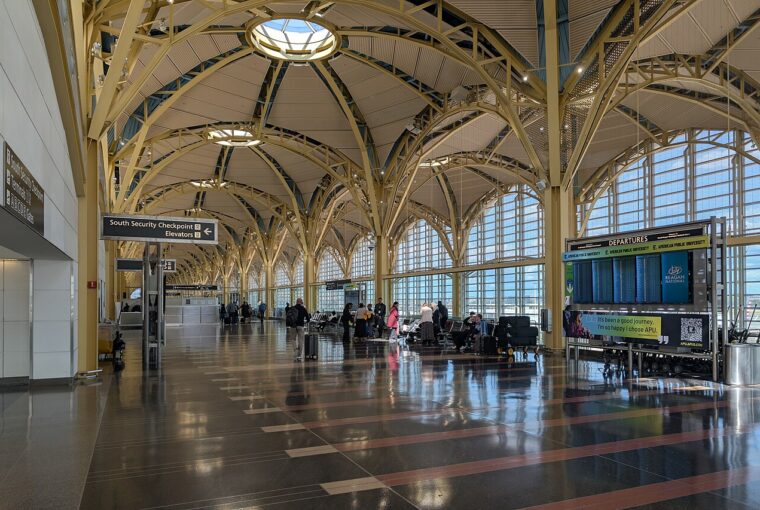
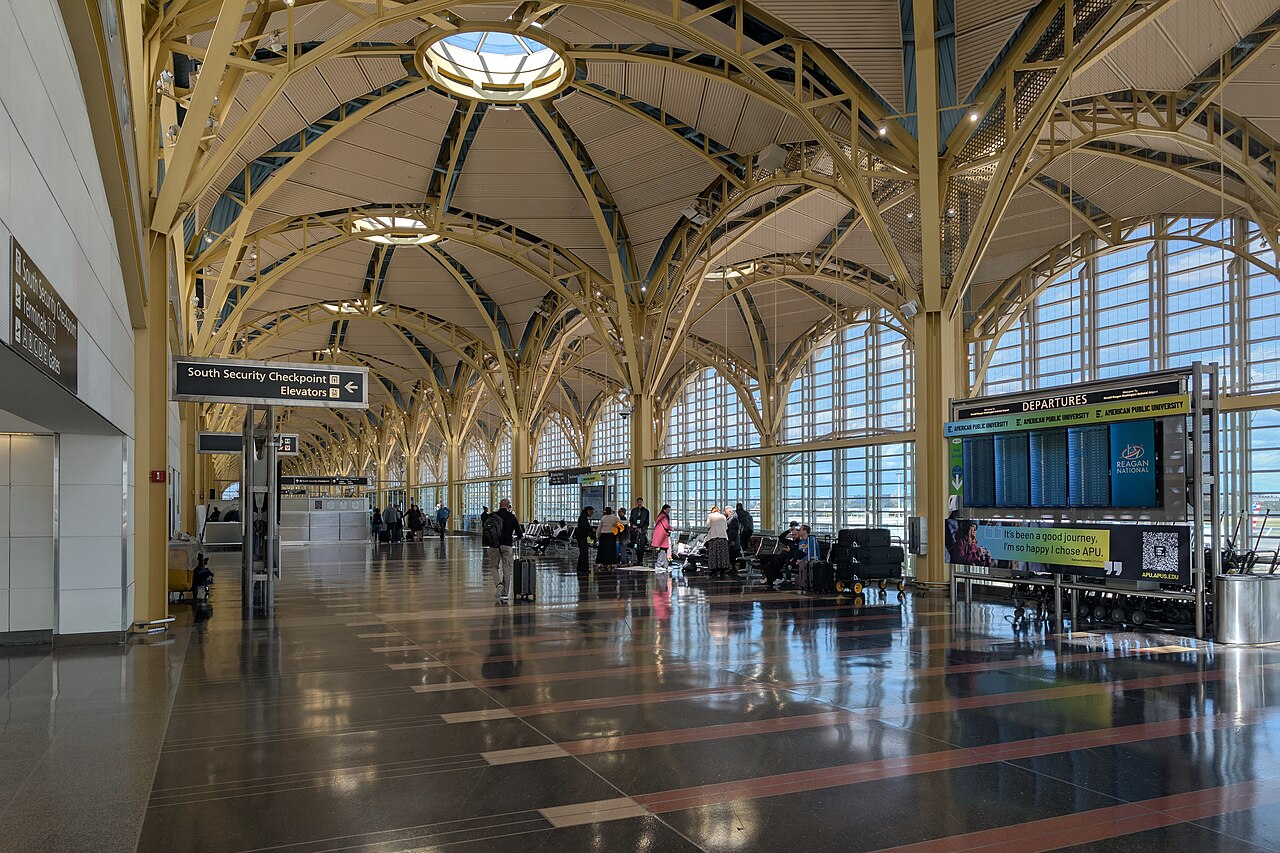
Representative photo: An airport terminal interior, highlighting the importance of navigating security checkpoints efficiently as part of the broader seasonal travel strategy. Photo: G. Edward Johnson / Wikimedia Commons · CC BY 4.0. Resized for display. Sources checked October 30, 2026.
Advertisement · From our publishing familyDiscover something new ↗