Note: This research-based guide was prepared with AI assistance; no visit or hands-on test was conducted.
Late November occupies a liminal space in the travel calendar for many Northern Hemisphere destinations. It is a period defined not by the peak of a single season, but by the transition between the final vestiges of autumn and the onset of winter. For the strategic traveler, this period—roughly between late October and early December—requires a specific approach to planning, one that prioritizes flexibility and a realistic understanding of destination readiness.
The Logic of the Seasonal Pivot
The concept of a ‘shoulder season’ is often marketed as a time for lower prices and fewer crowds, but it is rarely a uniform experience across global destinations. As noted in The Case for Shoulder-Season Travel, the value of this period lies in the ability to observe a destination during its transition, provided one is willing to accept that not every amenity will be available. When planning a trip during this window, the primary goal is to align your expectations with the local reality of the environment.
For instance, destinations like Québec City offer a distinct shift in character during this time. According to the Québec City Tourism Official Website, the region explicitly categorizes its travel appeal by season, with fall offering a ‘heavenly’ landscape and winter promising ‘fluffy white snow.’ In late November, a traveler might find themselves in a gap where the foliage has faded but the full winter infrastructure—such as specific snow-based recreation—may not yet be in peak operation. Understanding this shift allows for better itinerary design, focusing on the historical and urban elements of the city rather than relying on seasonal activities that are weather-dependent.
Evaluating Destination Readiness
A common pitfall in late-November travel is assuming that a destination’s ‘year-round’ status implies that all services operate at full capacity. This is rarely the case. As explored in Shoulder Season Is Different in Every Destination, the local calendar is the most reliable tool for assessing what will be open. Before finalizing a booking, it is essential to verify if the attractions that drive your interest are subject to seasonal closures.
This is particularly relevant when visiting regions with diverse climates, such as Scotland or Japan. The VisitScotland planning resources emphasize the need to look beyond the destination and embrace the journey, noting that weather in Scotland can change rapidly. A traveler visiting in late November must plan for shorter daylight hours and variable conditions, which can impact the feasibility of outdoor activities. Similarly, the Japan National Tourism Organization guides highlight that while Japan offers distinct seasonal experiences, the transition period requires attention to regional differences. What is accessible in Tokyo may be entirely different from the conditions in Hokkaido or the mountains of Nagano during the same week.
Building a Resilient Itinerary
To build a successful itinerary for late November, you must treat your schedule as a framework rather than a fixed agenda. This approach mitigates the risk of weather-related disruptions or unexpected closures.
- Prioritize Indoor-Outdoor Balance: Ensure your daily plan includes robust indoor activities (museums, historical sites, culinary experiences) that can serve as a primary focus if the weather precludes outdoor exploration.
- Check Local Calendars: Use official tourism boards to identify if the late-November period aligns with any specific local ‘quiet’ periods or maintenance schedules for major attractions.
- Factor in Daylight: In many northern latitudes, sunset occurs significantly earlier in November. Plan your most time-sensitive or scenic activities for the morning hours to maximize available light.
- Verify Transport Logistics: As summer transport schedules transition to winter timetables, confirm that ferry, train, or bus services are operating on the frequencies you expect.
By shifting the focus from ‘chasing the perfect weather’ to ‘engaging with the seasonal reality,’ the late-November traveler can secure a more authentic experience. This time of year reveals the true rhythm of a place, stripped of the peak-season gloss, and offers a unique opportunity for those who prioritize thoughtful, prepared exploration over rigid checklists.
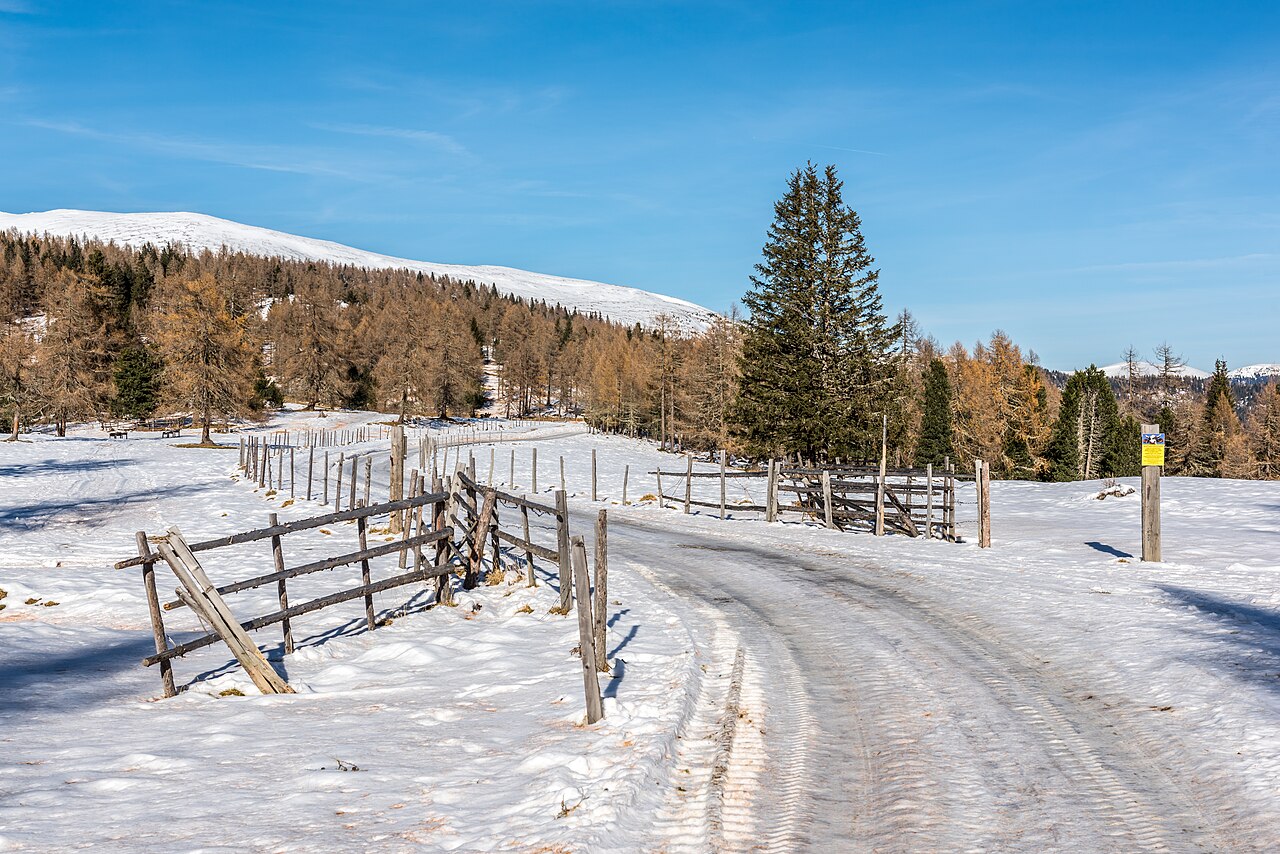
Representative photo showing a landscape in transition, illustrating the unpredictable blend of lingering autumn colors and early winter snow characteristic of the late-November travel period. Photo: Johann Jaritz / Wikimedia Commons · CC BY-SA 4.0. Resized for display. Sources checked October 24, 2026.