Note: This is a research-based guide prepared with AI assistance; no visit or hands-on test was conducted.
Late autumn represents one of the most complex periods for the modern traveler. It is a season of dualities: the rigorous, standardized environment of sitä airport terminal and the unpredictable, delicate ecosystems of the outdoors. Successfully bridging these two environments requires a unified strategy that prioritizes preparation, compliance, and environmental stewardship. Whether you are flying to a mountain gateway or a coastal retreat, your journey begins with the logistics of transit and ends withมาช the ethics of your destination.
The Airport Transition: A Logic-Based Approach to Security
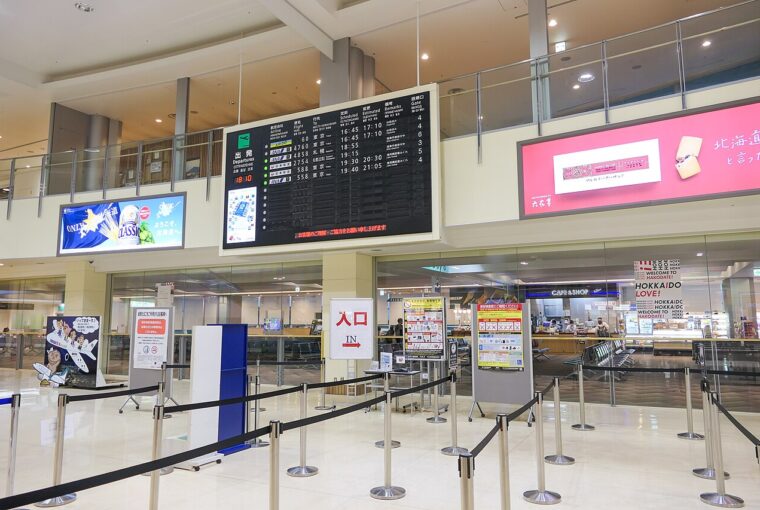
The transition through an airport is often the most significant friction point in any itinerary. According to the Transportation Security Administration (TSA), the key to a smooth screening experience is rooted in proactive planning rather than reactive problem-solving (TSA Travel Tips, checked 2026-10-25). The fundamental rule remains the 3.4-ounce (100 mL) limit for liquids, aerosols, and gels in carry-on baggage. This is not merely a suggestion; it is a hard constraint that dictates how you pack your toiletries and even your food items, such as jams or sauces. If you find yourself frequently traveling, the strategy of starting with an empty bag is highly effective. By clearing out all pockets and compartments before you pack, you significantly reduce the likelihood of carrying prohibited items through the checkpoint.
For travelers managing health needs, the process requires specific attention. The TSA allows medication in pill or solid form in unlimited amounts, and liquid medications exceeding 3.4 ounces are permitted in reasonable quantities for a flight when declared at the start of screening. Passengers do not need to place medically required liquids in a zip-top bag, but they must inform the officer. For broader ticketing and pre-trip transit comparisons, consult our guide on Train or Plane for a Regional Trip? Compare Door to Door.
The Outdoor Transition: Applying Ethics to Seasonal Landscapes
Once you clear the airport, the second phase of your journey begins: entering the natural environment. In late autumn, landscapes are particularly sensitive. The Leave No Trace Center for Outdoor Ethics provides a framework that is as applicable to a casual weekend hike as it is to a remote expedition. Their first principle, “Plan Ahead & Prepare,” is the bridge between your home and the trail (Leave No Trace 7 Principles, checked 2026-10-25). This means researching current trail conditions, local regulations, and the specific weather patterns of your destination. As we have previously noted, Weather Windows Are Not Guarantees, and in late autumn, a clear morning can quickly shift into hazardous conditions.
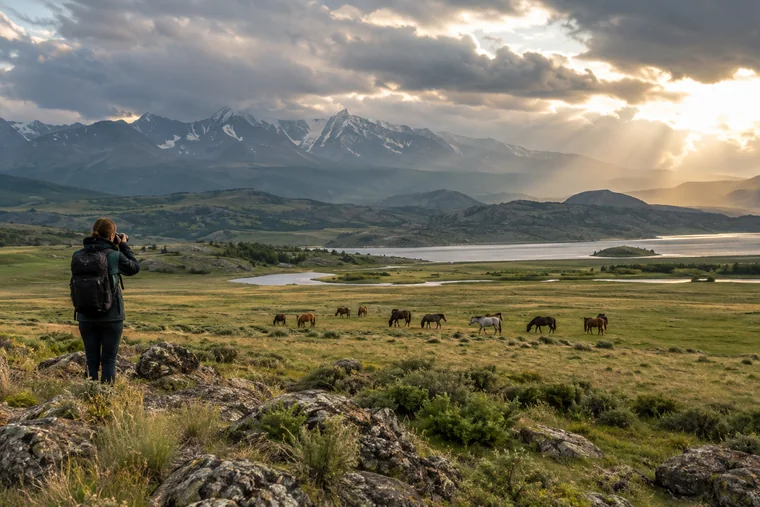
Beyond preparation, your behavior in the field dictates the longevity of the destination. Principle 6, “Respect Wildlife,” is critical during this time of year as animals prepare for winter. The National Park Service emphasizes that visitors are responsible for their own safety and the safety of the animals they encounter (Watching Wildlife (U.S. National Park Service), checked 2026-10-25). This involves maintaining a safe distance, never feeding animals, and observing them in their natural state without interference. In the fall, when wildlife may be more active or elusive, your restraint in approaching them is a direct contribution to their survival.
Integrating Your Logistics: A Unified Planning Framework
The most successful travelers treat the airport and the trail as a single, continuous system. Your packing list for the plane should be informed by the needs of the trail, but filtered through the constraints of security. For instance, if you are bringing specialized outdoor gear, ensure it complies with TSA regulations. Tools, sports equipment, and personal items have specific rules that can be reviewed on the TSA website. By aligning your gear with both security requirements and outdoor ethics, you create a seamless transition.
Furthermore, consider the pacing of your trip. The exhaustion of air travel combined with the physical demands of late-autumn hiking can lead to poor decision-making. Build in recovery time. If your arrival day is spent navigating transit, do not expect to tackle a strenuous trail the following morning. Instead, use that time to verify your gear, check local trail reports again, and ensure your communication plan is in place. A thoughtful journey is one that respects the rules of the transit hub and the vulnerability of the natural world.
Autumn Transit and Field Checklist
- Verify ID and Documents: Ensure your REAL ID or passport is readily accessible before reaching the TSA checkpoint.
- Audit Carry-On Liquids: Confirm all gels, aerosols, and liquids adhere to the 3.4-ounce limit; pack larger items in checked luggage.
- Prepare for Wildlife Encounters: Research the specific wildlife in your destination and understand safe viewing distances before you arrive.
- Check Trail Conditions: Use local park websites to verify if trails are open or if seasonal closures are in effect due to weather.
- Pack Out Everything: Adhere to the Leave No Trace principle of packing out all trash, including food scraps, to protect the ecosystem.
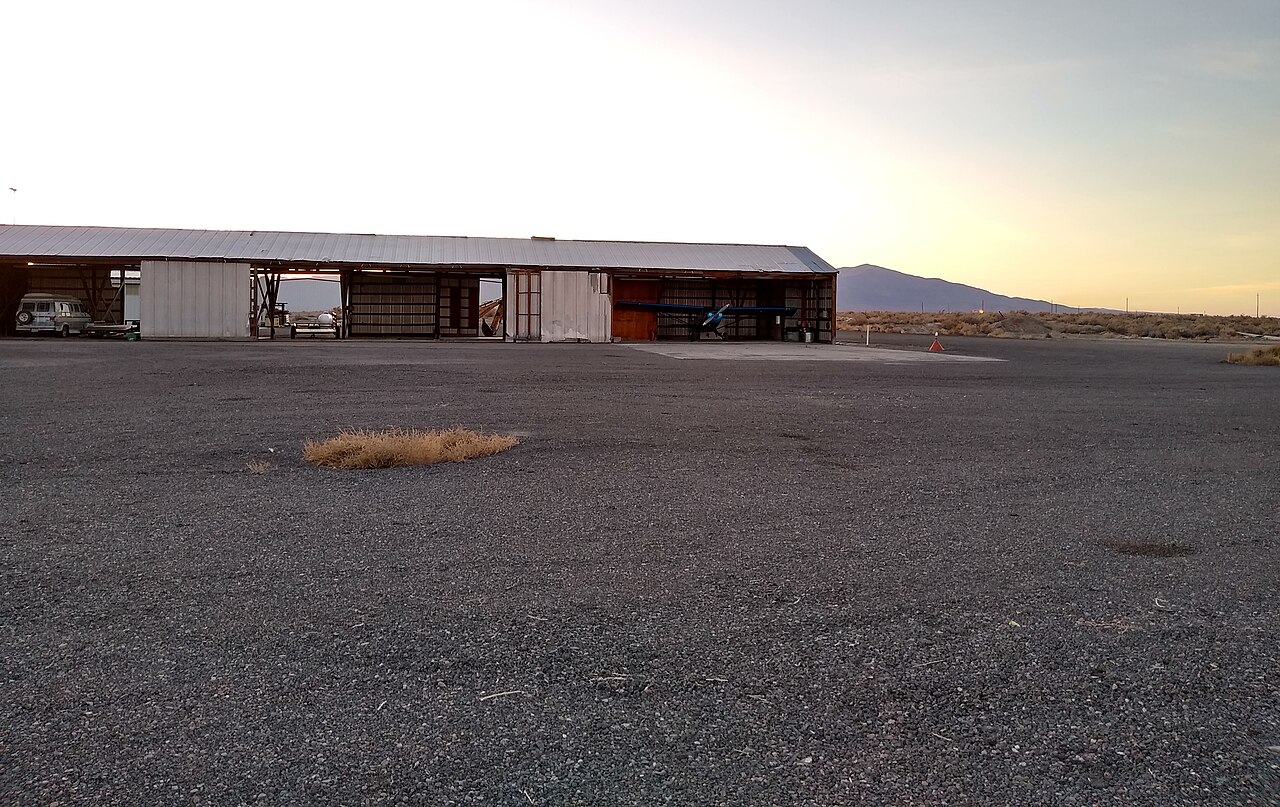
Representative photo; the image captures the quiet, logistical nature of a smaller transit hub, reflecting the article’s focus on the transition between air travel and outdoor environments. Photo: Mx. Granger / Wikimedia Commons · CC0. Resized for display. Sources checked October 24, 2026.
Advertisement · From our publishing familyDiscover something new ↗