Note: This is a research-based guide prepared with AI assistance; no visit or hands-on test was conducted.
November marks a definitive pivot in the travel calendar. As the peak travel season of late summer fades and the intense holiday rush of December approaches, the intervening weeks present a unique set of challenges. For the strategic traveler, this period is not merely a gap in the schedule; it is an opportunity to refine operational habits. Whether you are navigating the complexities of airport security or venturing into natural landscapes that are transitioning into their winter state, the success of your journey depends on your ability to adapt to shifting conditions.
The Operational Reality of November Transit
The most immediate hurdle for the November traveler is the airport transit experience. According to the Transportation Security Administration (TSA), the foundation of a smooth security checkpoint experience is established long before you arrive at the airport. The agency emphasizes a risk-based approach to security, which relies on passengers understanding the rules regarding prohibited items and documentation. A core strategic decision for the November traveler is the “empty bag” method. By starting with an empty carry-on, you reduce the likelihood of inadvertently transporting prohibited items through the checkpoint, as you are forced to consciously account for every item you pack.
The liquids rule remains a critical point of friction for many travelers. All liquids, aerosols, and gels must be 3.4 ounces (100 mL) or less and contained within a single bag. If you are traveling with early holiday gifts, the TSA advises using easily accessible gift bags or boxes with removable lids rather than fully wrapped presents. This strategic choice allows officers to inspect items without damaging the packaging, saving you time and stress. For those managing complex transit, understanding these regulations is essential to maintaining momentum. For a deeper analysis of how to manage these shifts, refer to our guide on Navigating Late-Autumn Transit and Seasonal Journeys. Furthermore, if you are traveling with medication, remember that while you do not need to present solid medication, liquids over 3.4 ounces require notification at the start of the screening process. Keeping these items accessible in your carry-on is a standard best practice to ensure you have immediate access throughout your journey.
Stewardship in the Shoulder Season
Once you arrive at your destination, especially if that destination involves natural landscapes, the focus must shift from security to stewardship. The Leave No Trace framework provides a universal set of principles that are particularly relevant during the shoulder season, when trails and ecosystems are often more vulnerable to erosion and disturbance. Principle 1, “Plan Ahead and Prepare,” is the foundation of responsible November travel. This involves checking weather, regulations, and trail conditions before departure. In November, weather windows are often narrow and unpredictable, making this preparation not just an ethical choice, but a safety requirement.
Ethical travel also requires an honest assessment of your impact on the environment. Whether you are visiting a popular park or a quiet coastal town, the principle of “Dispose of Waste Properly” remains paramount. This includes packing out all food scraps and pet waste, which can have outsized impacts on local ecosystems during the quieter, slower-paced months of late autumn. For further reading on balancing these ethical considerations with the practical realities of the season, see our article on Navigating Late-Autumn Travel: Logistics and Ethics. By integrating these principles into your daily itinerary, you ensure that your presence does not degrade the destination for future visitors. When the ground is soft or frost-covered, sticking to trails is not just a suggestion; it is a necessity to prevent long-term damage to the soil.
Wildlife Observation Protocols
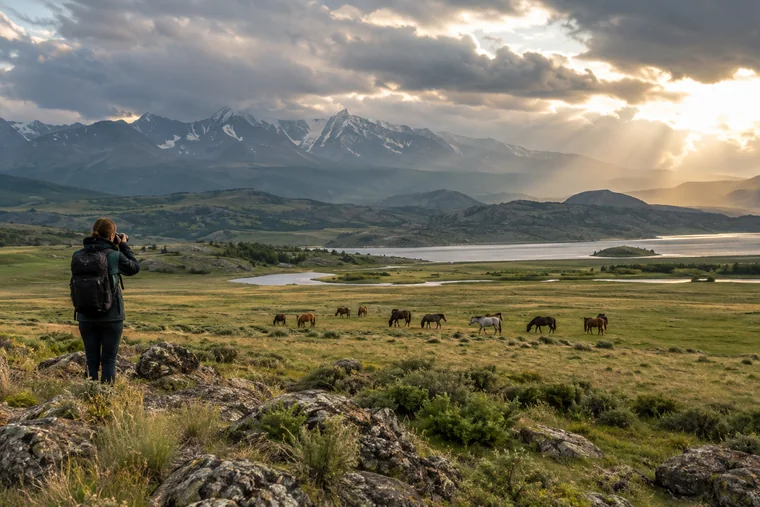
The final component of a responsible November travel protocol is the management of interactions with wildlife. The National Park Service (NPS) stresses that while parks offer unique opportunities to view animals, these opportunities come with a significant responsibility. Visitors are responsible for their own safety and the safety of the animals. The most critical rule is simple: leave animals alone. This means no touching, no feeding, and no harassing. As animals prepare for the winter months, they are often conserving energy; human interference can disrupt these critical survival behaviors.
As you plan your wildlife viewing, consider the following checklist to ensure you remain within safe and ethical boundaries:
- Maintain Distance: Always view wildlife from a distance that allows the animal to behave naturally. If an animal changes its behavior because of your presence, you are too close.
- Never Feed: Feeding wildlife is harmful to the animals and creates dangerous dependencies. It is also a violation of regulations in most protected areas.
- Respect Habitat: Do not move rocks, plants, or other natural artifacts. These are essential components of the animal’s home and are often used for shelter during colder months.
- Use Technology: If you find that wildlife is particularly active or elusive, consider using webcams or other digital resources to observe them without adding pressure to the environment.
By combining the technical preparation required by the TSA with the ethical considerations outlined by Leave No Trace and the National Park Service, you can build a travel framework that is both efficient and respectful. November travel is rarely about speed; it is about the quality of the transit and the integrity of the arrival. By preparing for the security checkpoint, planning for the trail, and respecting the wildlife you encounter, you contribute to a more sustainable and rewarding travel experience.
Sources
- Travel Tips | Transportation Security Administration (Checked: 2026-10-28)
- 7 Principles | Leave No Trace (Checked: 2026-10-28)
- Watching Wildlife | U.S. National Park Service (Checked: 2026-10-28)
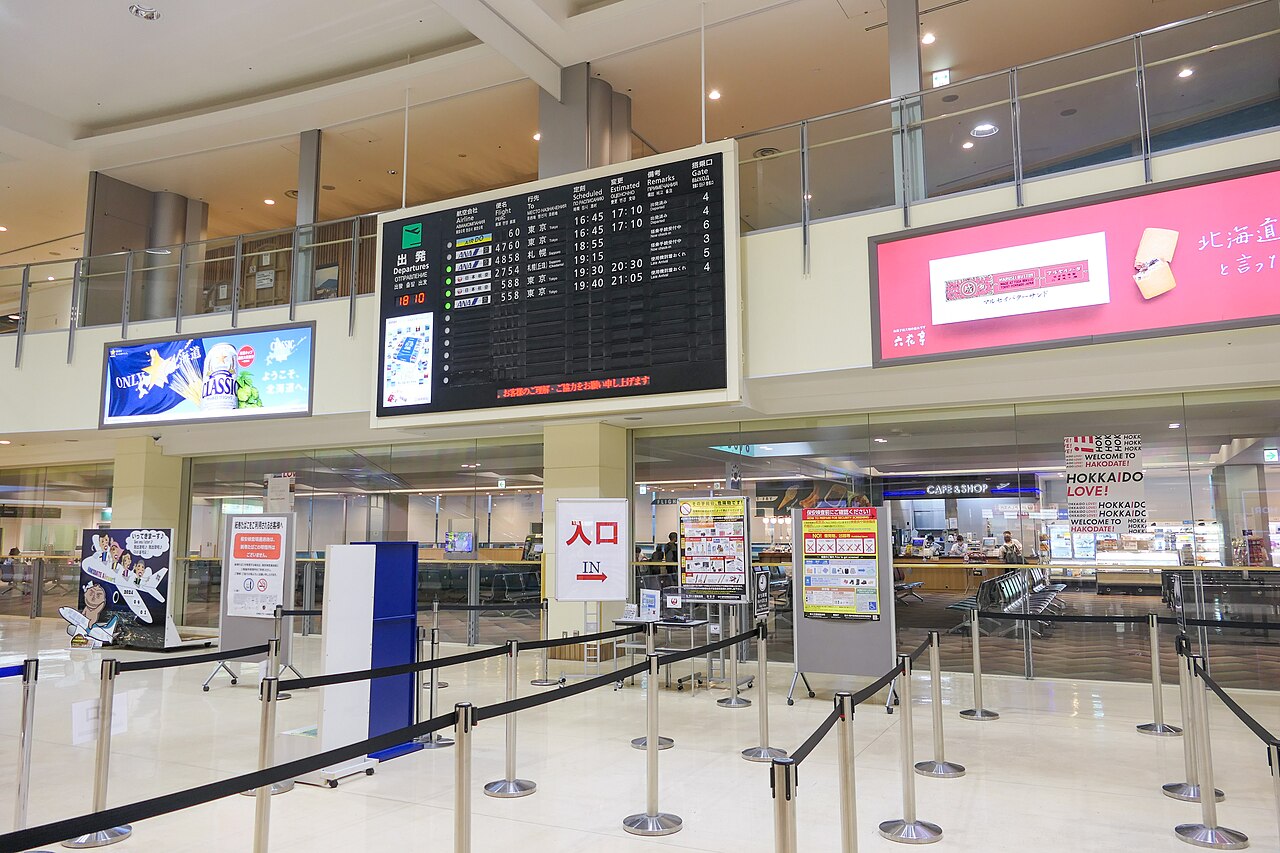
Representative photo illustrating the airport transit environment where travelers navigate security protocols and operational shifts during the shoulder season. Photo: MaedaAkihiko / Wikimedia Commons · CC0. Resized for display. Sources checked October 27, 2026.
Advertisement · From our publishing familyDiscover something new ↗