Note: This is a research-based guide prepared with AI assistance; no visit or hands-on test was conducted.
As November settles over the landscape, the shift in light and the reduction in seasonal crowds offer a unique window for wildlife photography. However, the pursuit of the perfect image requires more than just technical skill; it demands a dual commitment to ethical field behavior and logistical preparation. Whether you are traveling by air to a national park or planning a local excursion, your success depends on how well you manage both your equipment and your impact on the environment.
The Ethics of Observation: Leave No Trace
The foundation of wildlife photography is the preservation of the subject. According to the Leave No Trace 7 Principles, the most critical guideline for photographers is to respect wildlife by observing from a distance. Animals in their natural habitats are wild, and their behavior—feeding, resting, or socializing—should never be interrupted by the presence of a human observer. The U.S. National Park Service emphasizes that visitors have a responsibility for both their own safety and the safety of the animals; this means no touching, no feeding, and no harassing (Watching Wildlife, U.S. National Park Service).
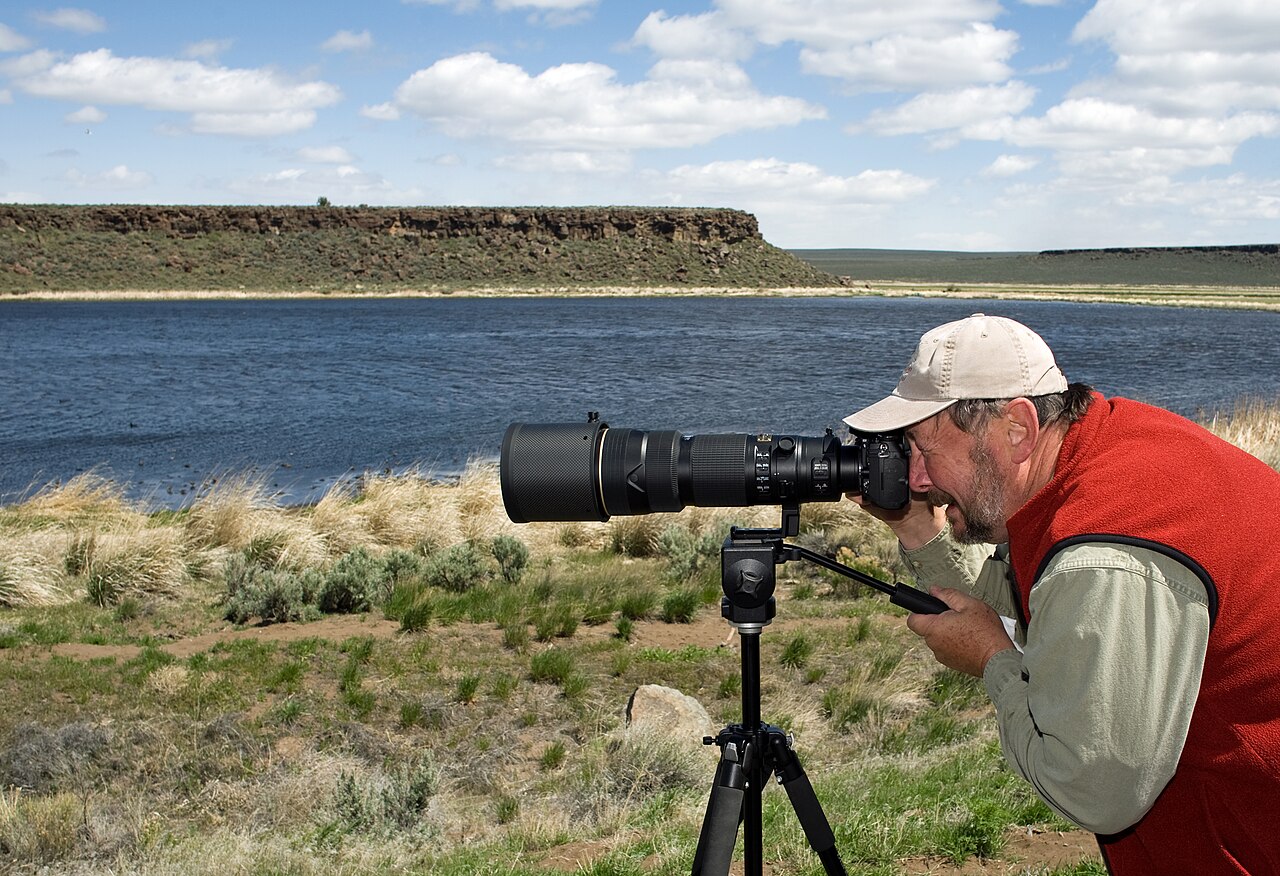
When planning your trip, integrate these ethical standards into your itinerary. If you are preparing for an ethical autumn photography trip, recognize that a “good shot” is never worth the stress it may cause an animal. If an animal changes its behavior because of your presence, you are too close. Use telephoto lenses to maintain distance rather than attempting to approach on foot. Furthermore, the principle of “Leave What You Find” means you should not disturb the habitat to get a clearer view. Do not move branches, rocks, or vegetation to improve your composition, as these elements are part of the ecosystem you are visiting.
Navigating Security with Optics and Gear
Logistical challenges often begin at the airport. Traveling with specialized photography gear—tripods, multiple lenses, and batteries—requires a proactive approach to airport security. The Transportation Security Administration provides clear guidance on how to manage these items, yet many travelers overlook the basics until they are at the checkpoint.
To ensure a smooth transition, start your packing process with an empty bag. This reduces the likelihood of leaving prohibited items in compartments you might not check. For photographers, the most common oversight involves batteries and cleaning solutions. Ensure all lithium-ion batteries are in your carry-on luggage, as these are prohibited in checked bags. If you are carrying specialized cleaning fluids, remember the 3.4-ounce (100 mL) liquid rule; if it can be sprayed or pumped and exceeds this limit, it must go in your checked luggage. For more advice on how to protect your equipment, see our guide on protecting camera gear in changeable weather.
If you are traveling with a tripod, be aware that it may be subject to additional screening. Have your gear organized so that you can easily remove items from your bag if requested. If you are carrying sensitive or expensive equipment and are concerned about the X-ray process, remember that you can request a visual inspection for certain items, provided you make the request before the items are sent through the tunnel. Always arrive early enough to allow for this extra screening time.
Field Preparation: A Pre-Departure Checklist
Before you depart, research the specific regulations of the parks or areas you intend to photograph. Photography has a long history in national parks, and many locations offer specific guidance on how to capture vistas without damaging the landscape (Photography, U.S. National Park Service). Use the following checklist to prepare for your departure:
- Verify Regulations: Check the park’s website for specific photography permits or restrictions, especially if you are using drones or large setups.
- Pack for Conditions: November weather is unpredictable. Ensure your gear is protected from moisture and cold, which can drain batteries faster than expected.
- Plan Your Vantage Point: Use maps and historical photography to identify potential viewpoints that are accessible from established trails. Do not go off-trail to find a “better” angle.
- Review the 7 Principles: Re-read the Leave No Trace guidelines before you leave. These are not suggestions; they are the standard for responsible outdoor conduct.
- Backup Strategy: Have a plan for your images that does not rely on a laptop, such as portable hard drives or cloud storage, to ensure your work is safe without adding unnecessary weight to your carry-on.
By treating the logistics of travel with the same importance as the technical aspects of your photography, you ensure that your trip is not only productive but also responsible. The goal is to return home with images that capture the beauty of the season while leaving the landscape exactly as you found it.
Representative photo showcasing a wildlife photographer using a telephoto lens and tripod to maintain a respectful distance from subjects in a natural habitat. Photo: Department of the Interior. U.S. Fish and Wildlife Service. National Conservation Training Center. 10/1997-8888 / Wikimedia Commons · Public domain. Resized for display. Sources checked October 29, 2026.
Advertisement · From our publishing familyDiscover something new ↗