Note: This is a research-based guide prepared with AI assistance; no visit or hands-on test was conducted.
As the landscape transitions into the muted, golden tones of late October, the appeal of outdoor photography intensifies. For the traveling photographer, this season offers unique lighting conditions and distinct wildlife behaviors as animals prepare for the winter months. However, capturing these moments requires more than just a high-quality lens; it demands a rigorous approach to ethics, logistics, and planning. Whether you are heading to a national park or a remote woodland, your presence impacts the environment and the animals you seek to document. Success in the field relies on a commitment to preparation that balances artistic ambition with responsible stewardship.
The Ethical Foundation of Wildlife Photography
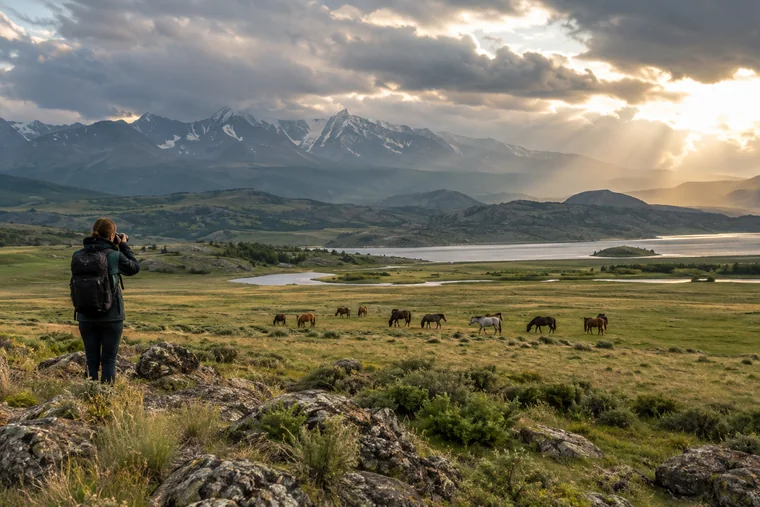
The foundation of any wildlife photography trip must be a commitment to the subject’s well-being. According to the Leave No Trace 7 Principles (checked 2026-10-23), Principle 6 explicitly states that travelers must respect wildlife by watching from a distance and never feeding wild animals. This is not merely a suggestion; it is a critical component of habitat preservation. When you are in the field, the pressure to secure the “perfect shot” can tempt you to encroach on an animal’s space, but this behavior can cause stress and disrupt natural routines.
As the National Park Service (checked 2026-10-23) notes, visitors have a fundamental responsibility for both their own safety and the safety of the animals. Simply put, if an animal changes its behavior because of your presence, you are too close. For deeper insights on managing these interactions, review our guides on Wildlife Watching With Care and How to Photograph Wildlife at a Respectful Distance. A respectful photographer prioritizes the animal’s natural behavior over the convenience of a close-up composition.
The “Leave No Trace” Photography Checklist
- Plan Ahead: Research the specific wildlife activity patterns for the season. Are animals preparing for winter? Are they more territorial?
- Maintain Distance: Use a telephoto lens to bridge the gap, not your physical presence.
- Leave What You Find: Do not move rocks, plants, or artifacts to clear a better line of sight for your composition.
- Minimize Impact: Stay on trails. Off-trail movement damages sensitive vegetation that may already be stressed by the changing season.
Navigating Transit and Security with Professional Gear
Transporting professional-grade camera equipment introduces its own set of logistical challenges. Security protocols are non-negotiable, and knowing the rules before you arrive at the airport can prevent significant stress. The Transportation Security Administration (checked 2026-10-23) provides clear guidance on what can be brought through checkpoints, which is essential for photographers carrying expensive and delicate equipment.
While most camera gear is permitted, batteries and tripods require specific attention. Lithium-ion batteries, for instance, should always be carried in your carry-on luggage, not checked, to mitigate fire risks. Furthermore, if you are traveling with expensive lenses or camera bodies, consider investing in TSA-recognized locks for your checked luggage. These locks allow security officers to inspect your bags without damaging the mechanism, ensuring your gear remains secure throughout the transit process. Additionally, the agency recommends that travelers start packing with an empty bag to ensure they do not inadvertently leave prohibited items in side pockets or hidden compartments.
Travel Logistics for Photographers
- Battery Safety: Always keep spare lithium-ion batteries in your carry-on. Never check them.
- Empty Bag Strategy: Start your packing process with a completely empty bag to ensure no prohibited items are left behind.
- Gift Strategy: If you are bringing photography-related gifts, use gift bags rather than boxes to facilitate easy inspection by security officers.
- Medication and Gear: If you carry medical devices alongside your photography gear, inform the TSA officer prior to screening to ensure a smooth process.
Capturing the Seasonal Shift with Purpose
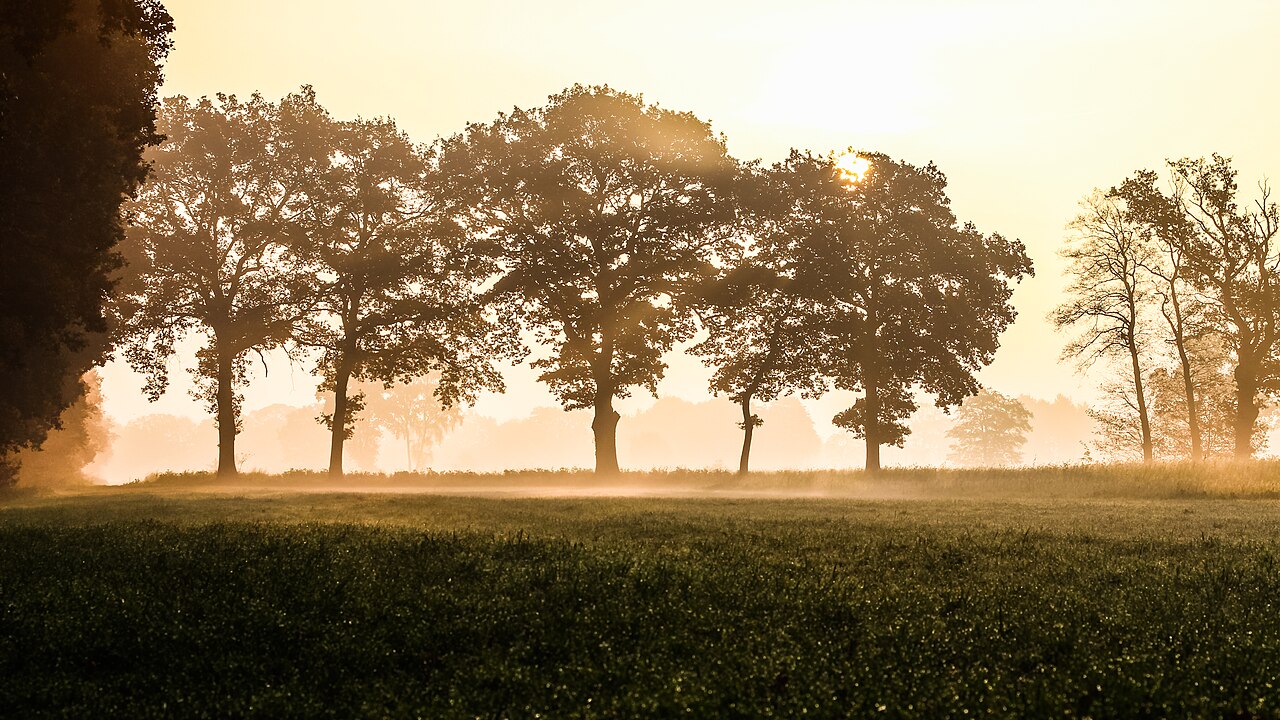
The National Park Service (checked 2026-10-23) highlights that photography is an essential part of park history, helping to show why special places need protection. In autumn, the quality of light changes dramatically. The sun sits lower in the sky, creating longer shadows and a softer, warmer glow that can enhance textures in landscapes and animal fur. However, this lower light also means shorter shooting windows. You must plan your itinerary to maximize these hours. A “nature-first” itinerary should prioritize being at your location well before the golden hour begins.
Remember that weather in the shoulder season can be volatile. Protecting your camera gear from moisture and rapid temperature changes is vital. Ensure you have weather-sealed covers and silica gel packets in your bag to manage condensation when moving from cold outdoor temperatures to warmer indoor lodging. Ultimately, the most distinctive photographs are those that tell a story of the environment rather than just capturing a portrait. By integrating ethical wildlife practices, efficient gear management, and a thoughtful approach to the changing autumn light, you can create a portfolio that respects the destination while documenting its seasonal beauty.
Representative photo: The golden light of autumn provides unique opportunities for landscape photographers to capture seasonal transitions, emphasizing the importance of planning for the best natural lighting conditions. Photo: Dietmar Rabich / Wikimedia Commons · CC BY-SA 4.0. Resized for display. Sources checked October 23, 2026.