The November Pivot: Understanding the Shoulder Season
As the calendar turns to November, travelers often encounter a unique set of challenges that define the late-autumn transition. This period, frequently categorized as a “shoulder season” in many destinations, is characterized by shortening daylight, unpredictable weather patterns, and the beginning of winter operational closures. For the strategic traveler, this is not merely a time to find lower prices or fewer crowds; it is a time to adjust one’s planning methodology to account for increased volatility. Successfully navigating this window requires a shift from a checklist-driven itinerary to a buffer-focused framework.
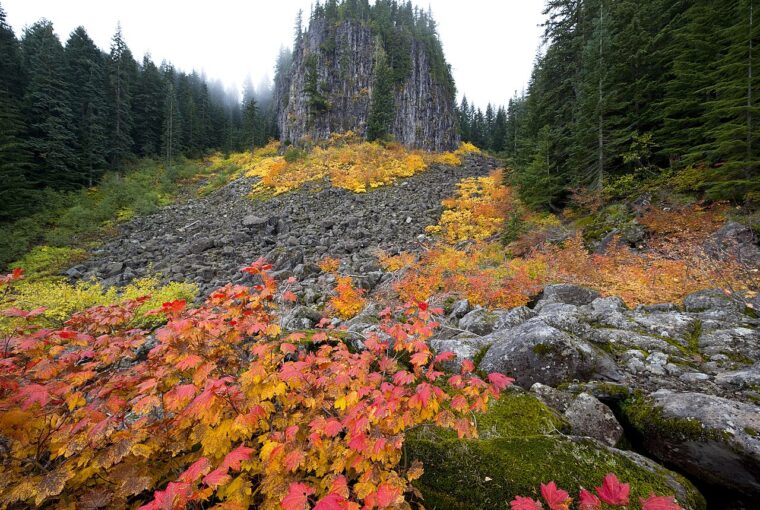
The fundamental challenge of November travel is the compression of usable time. As light availability decreases, the window for outdoor activities, photography, and transit navigation narrows. According to guidance from the National Park Service’s photography resources (checked 2026-10-27), photography has historically been a tool for preservation, but in late autumn, the challenge is capturing the landscape under rapidly changing light conditions. A strategic approach requires acknowledging that the “golden hour” is shorter and that weather can shift from clear to hazardous within hours, requiring a flexible, rather than fixed, approach to daily planning.
Logistical Resilience in the Shoulder Season
When planning transit during this period, the philosophy of “buffer time” becomes essential. As discussed in our guide on Navigating Late-Autumn Transit and Seasonal Journeys, the risk of disruption due to early winter storms or fog is significantly higher than in summer months. Travelers should treat arrival and departure days as genuine itinerary days, avoiding the temptation to pack them with activities that rely on precise timing.
Furthermore, the Transportation Security Administration (checked 2026-10-27) emphasizes that travelers should arrive at the airport early, a directive that is doubly important in November when staffing and weather can create unexpected bottlenecks. By choosing to build a “rainy-day” or “storm-day” version of your itinerary—where a museum visit or a local culinary experience replaces a planned mountain hike or coastal drive—you ensure that your trip remains productive even when the weather dictates a change in plans.
Strategies for Logistical Buffering
- The Open-Day Principle: If you are planning a weeklong trip, dedicate at least one day to be entirely open. This acts as a “recovery day” for weather delays or fatigue, ensuring that a single day of bad weather does not derail your entire schedule.
- Transit Geography: When selecting a base for your trip, choose a location that minimizes backtracking. In November, when daylight is limited, spending three hours on a train or in a car is a significant loss of exploration time. Prioritize proximity to your primary interests.
- Equipment Readiness: November weather is often wet or cold. Ensure your packing list includes layers that are suitable for rapid temperature changes. If you are renting equipment, verify that the rental facility remains operational during the off-season, as some seasonal businesses close entirely after October.
Ethical Engagement and Wildlife Safety
The late-autumn transition is a critical time for local ecosystems. As outlined in the Leave No Trace 7 Principles (checked 2026-10-27), the environment is particularly fragile during this period. Plants and soil are often dormant or saturated with moisture, making them susceptible to permanent damage from foot traffic. Sticking to durable surfaces is not just a suggestion; it is a necessity to prevent erosion and ensure that the landscape can recover for the following season.
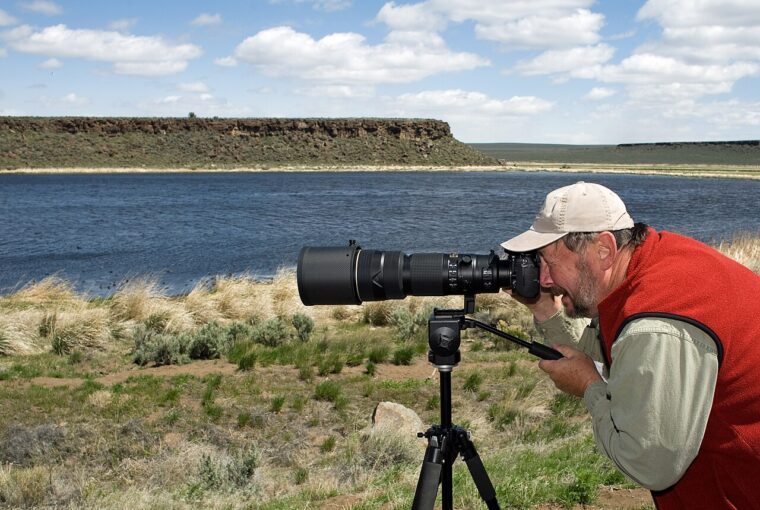
Wildlife behavior also shifts in November. Many species are preparing for winter, conserving energy, or migrating. As noted in the National Park Service’s wildlife watching guidelines (checked 2026-10-27), the privilege of viewing wildlife comes with the responsibility to maintain distance. Harassing animals—even unintentionally, by getting too close for a photograph—can force them to expend vital energy reserves needed for survival. For those interested in documenting this season, our guide on Planning an Ethical and Prepared Autumn Photography Trip provides a framework for capturing the season without compromising the integrity of the environment.
A Checklist for November Fieldwork
- Assess the Landscape First: Before setting out, verify trail conditions. November can bring unexpected snow or mud, even in areas that appear mild.
- Respect Wildlife Boundaries: Use binoculars or a telephoto lens to observe from a distance. Never feed or approach wild animals.
- Minimize Campfire Impacts: If you are camping, prioritize stove use over campfires, which are often restricted due to fire safety concerns in dry, late-autumn conditions.
- Leave What You Find: November is a time of decay and transition; resist the urge to collect “souvenirs” like autumn leaves or rocks, which are part of the natural cycle.
Note: This is a research-based guide prepared with AI assistance. No visit or hands-on test was conducted.
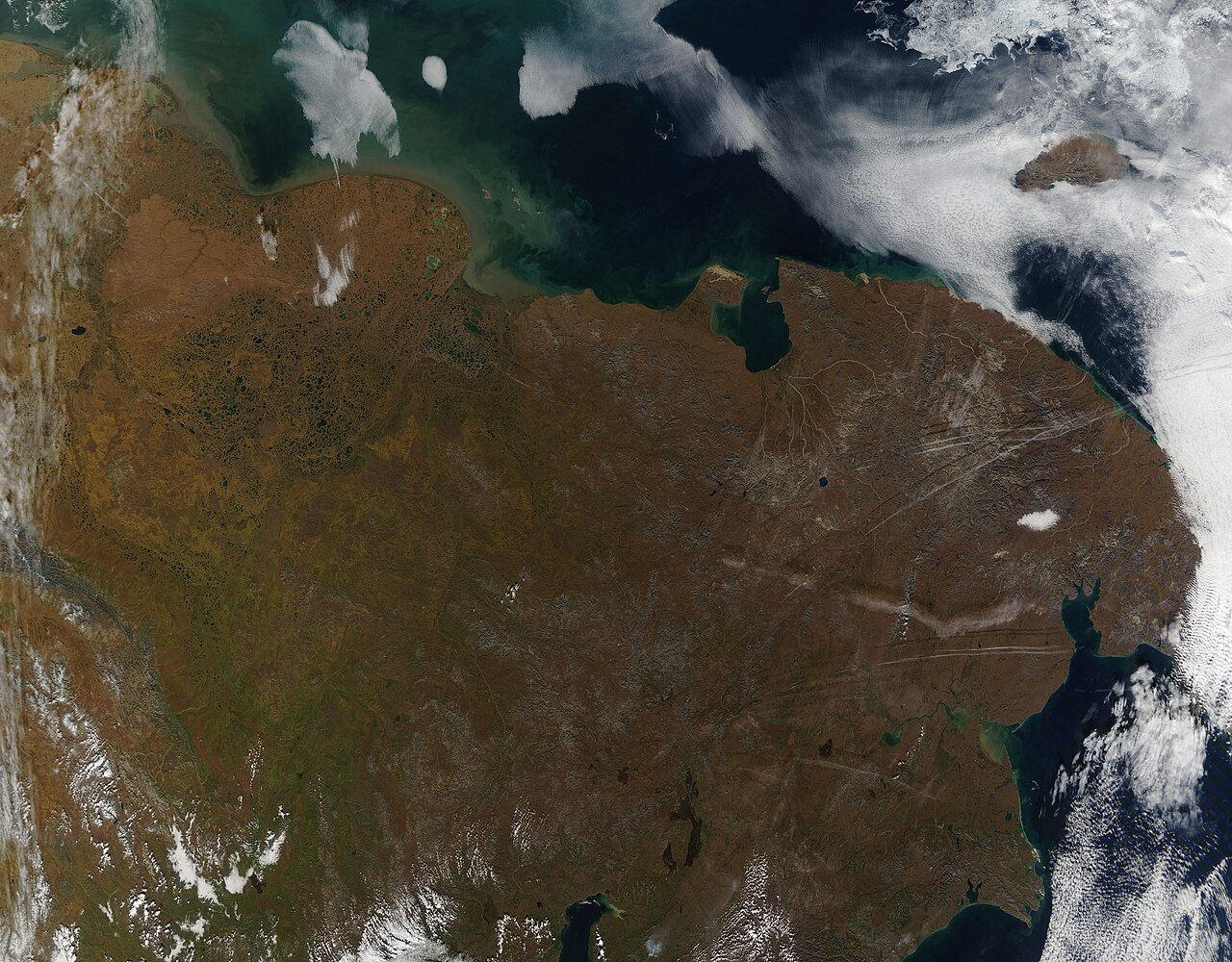
Representative photo showing a vast northern landscape undergoing seasonal autumn transitions, illustrating the changing environment and lighting conditions discussed in the travel framework. Photo: Jeff Schmaltz, MODIS Land Rapid Response Team, NASA GSFC / Wikimedia Commons · Public domain. Resized for display. Sources checked October 26, 2026.
Advertisement · From our publishing familyDiscover something new ↗