November represents a critical inflection point for the traveling photographer. As landscapes transition from the final, fleeting colors of autumn to the stark, structural stillness of early winter, the light changes in quality and duration, demanding both technical preparation and logistical foresight. For the professional or serious amateur, this season requires a dual-focus strategy: managing expensive, high-value equipment through airport security and ensuring that field practices remain ethical and sustainable as ecosystems adjust to colder conditions.
This guide provides a structured framework for navigating the logistical realities of late-autumn travel, drawing on established security protocols and environmental ethics to ensure your gear arrives safely and your impact on the landscape remains minimal. By treating the logistics of travel with the same attention as the composition of an image, you can ensure that your November photography trip is both productive and responsible.
Managing High-Value Equipment Through Security
For the traveling photographer, the airport security checkpoint is the first significant hurdle. Camera bodies, lenses, and support systems represent not only significant financial investments but also the essential tools of your craft. According to the Transportation Security Administration (TSA), planning ahead is the most effective way to ease the screening process and protect your equipment.
The TSA advises that passengers should start packing with an empty bag. By beginning with a clean slate, you can ensure that no prohibited items—such as multi-tools, forgotten liquids, or loose batteries—remain in side compartments or pockets. This visibility reduces the likelihood of a manual search, which is the moment your gear is most vulnerable to mishandling. If you are checking a hard-sided case containing specialized gear, security remains a primary concern. The TSA notes that officers must be able to inspect baggage when the need arises. To manage this without risking damage to your gear or the security of your luggage, utilize TSA-recognized locks. These locks are designed with a universal master key system that allows security personnel to open and inspect your bag without cutting the mechanism. Always verify that your locks are TSA-recognized before leaving for the airport.
If you are carrying your gear through the checkpoint, be prepared for additional scrutiny. High-density electronics and complex lens arrays can sometimes obscure the X-ray image, leading to a request for a manual inspection. If you have concerns about the handling of your equipment during this process, the TSA advises that you may ask to speak to a supervisor. For those looking to streamline this experience, consider enrolling in programs like TSA PreCheck, which can reduce the frequency of removing items from your bags and help you maintain better control over your equipment throughout the security process.
Ethical Field Practice in the Seasonal Transition
Once you arrive at your destination, the focus must shift from transit to the environmental impact of your presence. November often brings unpredictable weather, and the trails you visit may be transitioning into a more fragile state, with frozen ground or muddy paths that are easily degraded. The principles established by Leave No Trace provide the essential framework for responsible field practice.
Principle 2, “Travel and Camp on Durable Surfaces,” is particularly vital during the late-autumn shoulder season. When seeking the perfect angle, ensure you are standing on durable ground—such as established trails or rock—rather than stepping onto sensitive vegetation that may already be stressed by the changing climate. Furthermore, Principle 4, “Leave What You Find,” serves as a necessary reminder that the landscape is not a studio to be rearranged. Avoid the temptation to move rocks, branches, or artifacts to improve a composition. These elements are part of a larger ecosystem that is already adjusting to the onset of winter. As discussed in our previous guide, How to Photograph Wildlife at a Respectful Distance, the most ethical image is one captured without disrupting the subject or the environment.
Wildlife Photography Logistics and Safety
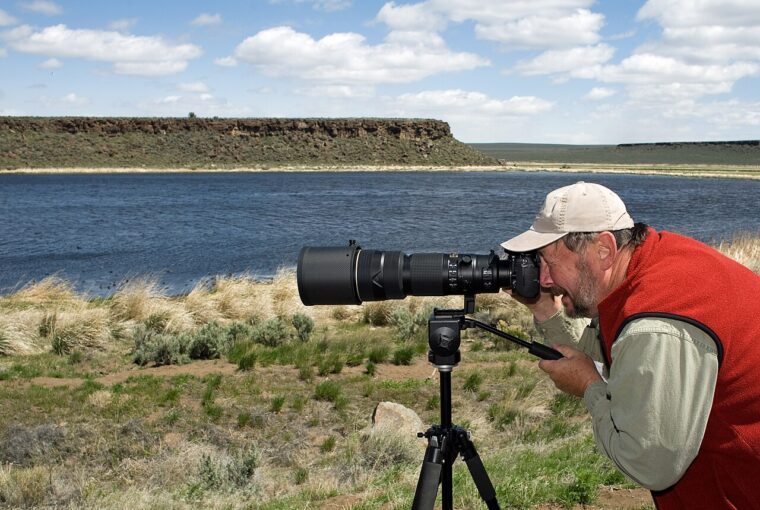
November is a time of intense activity for many species as they prepare for winter or enter mating cycles. The National Park Service emphasizes that observing from a distance is a privilege that carries the responsibility of non-interference. Never feed, touch, or harass animals to elicit a reaction; instead, rely on patience and long-lens techniques to document their natural behavior.
For photographers navigating these conditions, it is important to recognize that weather windows are not guarantees. As outlined in our article on Photographing the Late Autumn Transition: A Strategic Guide, having a backup plan for when the light or weather fails is a hallmark of a prepared professional. If the weather turns, prioritize safety over the shot. Respecting wildlife cycles also means understanding that many species are more sensitive to human presence during the colder months, making the use of a respectful distance even more critical than in the summer.
A Pre-Departure Checklist for the November Photographer
Preparation is the foundation of a successful photography trip. Use the following checklist to organize your logistics before departure:
- Audit Your Gear: Before packing, ensure all batteries are fully charged and memory cards are formatted. Keep sensitive optics and electronics in your carry-on bag to ensure they remain under your supervision.
- Review Security Requirements: Consult the TSA “What Can I Bring?” page if you are traveling with non-standard items, such as large tripods or specialized lighting equipment, which may have specific packing requirements.
- Plan for Durable Surfaces: Research your destination’s trail conditions. In late autumn, trails can become muddy or icy; stick to established, durable paths to minimize your impact on the surrounding vegetation.
- Respect Wildlife Cycles: Research the specific wildlife activity in your destination for November. Many species are preparing for winter or mating, making them more sensitive to human presence than in the summer months.
- Check Local Regulations: Every park or protected area has specific rules regarding photography, drone use, and commercial permits. Verify these on the official website of your destination before you arrive to ensure you are compliant with all local laws.
Note: This research-based guide was prepared with AI assistance. No visit or hands-on test was conducted for this article.
Sources
- Travel Tips | Transportation Security Administration (Checked 2026-11-02)
- Photography (U.S. National Park Service) (Checked 2026-11-02)
- 7 Principles | Leave No Trace (Checked 2026-11-02)
- Watching Wildlife (U.S. National Park Service) (Checked 2026-11-02)
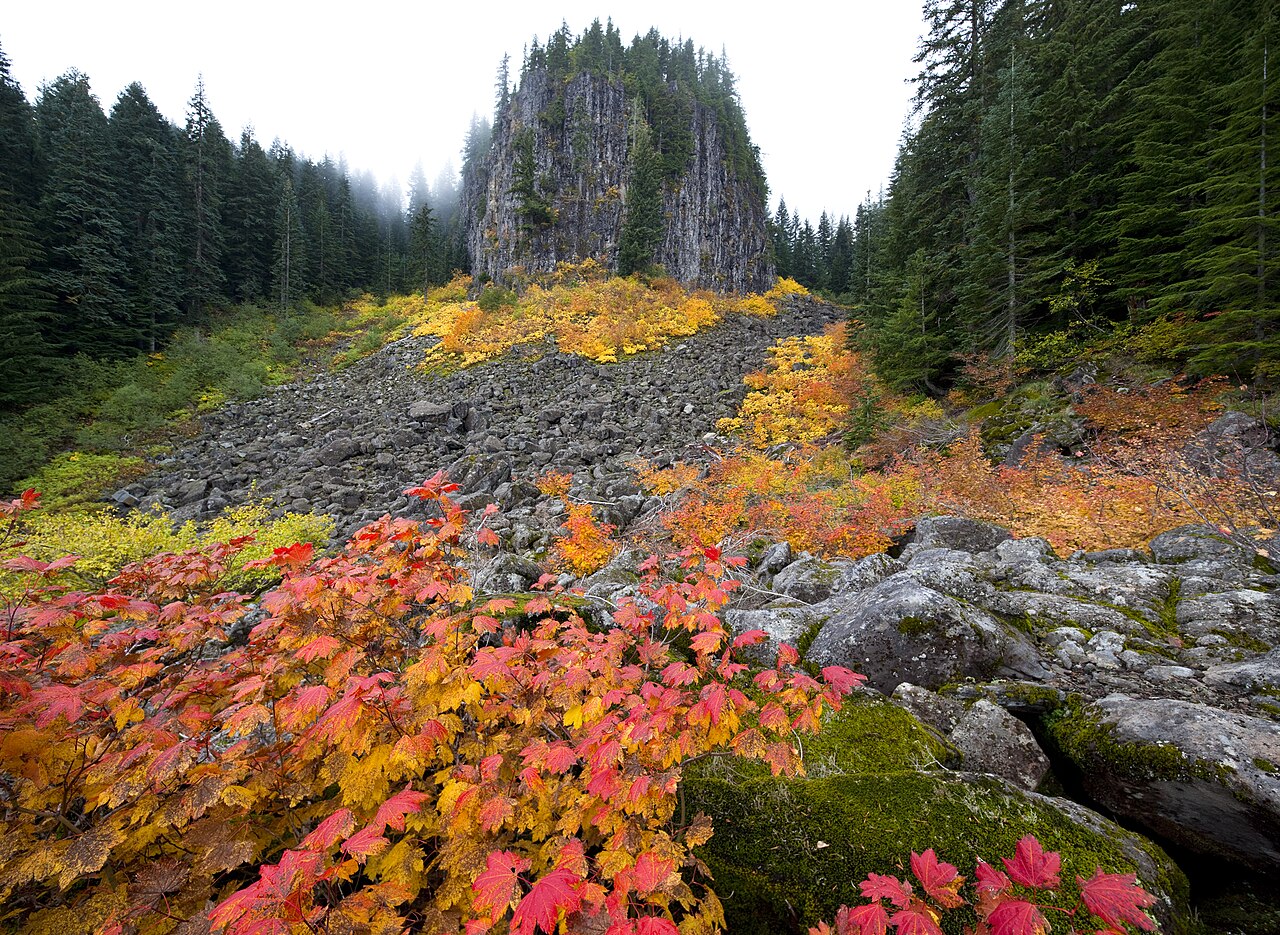
Representative photo illustrating the late-autumn seasonal transition, highlighting the importance of choosing durable surfaces for photography while minimizing environmental impact. Photo: mypubliclands / Wikimedia Commons · Public domain. Resized for display. Sources checked November 2, 2026.
Advertisement · From our publishing familyDiscover something new ↗