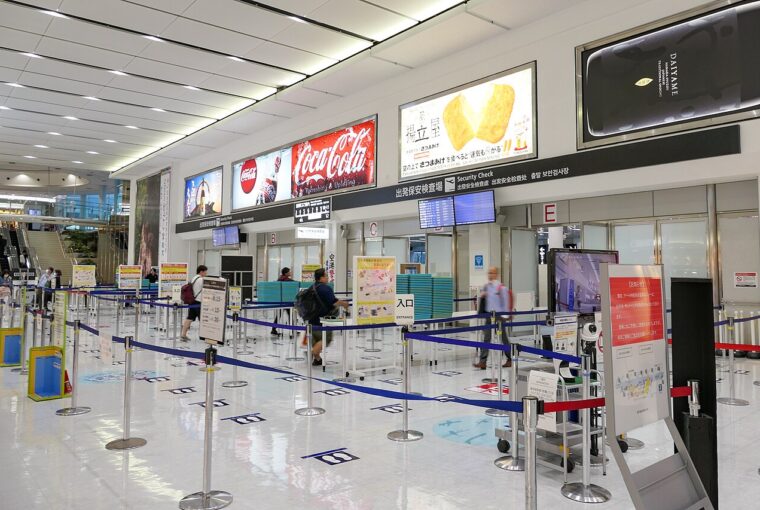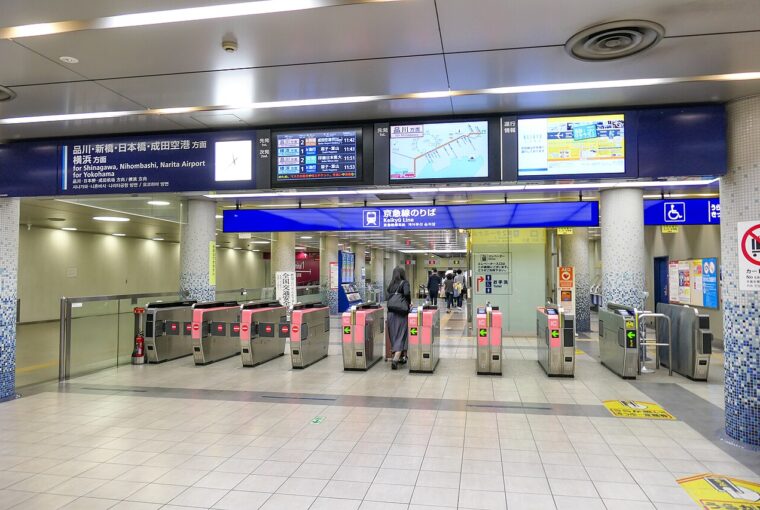
A one-hour flight and a four-hour train ride are not directly comparable until you add the journeys on either end. Use the door-to-door route, the total cost and the consequences of a delay to decide which option fits a regional trip.
Build the same timeline for both
| Include | Rail | Flight |
|---|---|---|
| Start | Hotel to departure station | Hotel to airport |
| Before departure | Operator-recommended arrival, checks and boarding | Airline-recommended arrival, security and boarding |
| After arrival | Station exit and onward route | Baggage, any formalities and airport transfer |
| Flexibility | Ticket restrictions and later services | Fare restrictions and rebooking options |
Use an honest worked example
Suppose a hypothetical train takes four hours, with 25 minutes to the station, a 30-minute arrival margin and 20 minutes at the other end. The journey totals about five hours and 15 minutes. A hypothetical flight takes one hour, but adds 50 minutes to the airport, two hours before departure and an hour after arrival including the final transfer: about four hours and 50 minutes.
Those are illustrative assumptions, not schedules. A 25-minute difference may matter less than comfort, baggage, reliability or location. Replace every assumption with current operator guidance and your own route before deciding.
Compare the complete price
Include seats, bags, airport or station transfers and any meal or overnight stay needed. A low fare can become expensive when it requires a remote arrival airport or an early departure that public transport cannot reach.
Look at what happens after a delay
Check later services, ticket flexibility and the final departure of the day. If a regional leg connects to an international flight on a separate booking, consider a longer buffer or an overnight near the departure point. The transport mode does not remove the risk of an unprotected connection.
Match comfort and access to the traveler
Ask about assistance, boarding gaps or steps, luggage storage, seating and toilets on the exact service. Train stations can involve stairs and platform changes; airports can involve long distances. Compare the entire route instead of assuming one mode is automatically accessible.
Our planning verdict
Rail is often worth a close look for city-center journeys where it reduces transfers and gives useful time aboard. Flying may fit longer distances or routes with poor rail connections. Check both, then choose the journey that leaves the group with the most usable time and the least unresolved uncertainty.
Advertisement · From our publishing familyDiscover something new ↗