Note: This research-based guide was prepared with AI assistance. No visit or hands-on test was conducted.
November in Kyoto represents one of the most visually significant periods in the Japanese travel calendar. As the autumn foliage peaks, the city experiences a surge in both domestic and international visitors. For the traveler, this creates a logistical challenge that requires more than standard planning; it demands a comprehensive framework for movement, etiquette, and safety. Rather than approaching the city as a static destination, successful navigation requires an active strategy that prioritizes local infrastructure and community respect.
The Congestion Framework: Data-Driven Itinerary Planning
The primary challenge in Kyoto during November is not the lack of attractions, but the density of human traffic at key historical sites. To manage this, travelers should move away from rigid, checklist-based itineraries and toward a dynamic, data-responsive model. The Kyoto Travel resources provide essential tools for this purpose, specifically the Kyoto Travel Congestion Forecast and the Kyoto Smart Navi system. These tools are designed to provide real-time and forecasted comfort levels around popular landmarks.
A strategic approach involves:
- Pre-Arrival Assessment: Utilize the Kyoto Travel Congestion Forecast to identify ‘hidden gem’ areas that are relatively empty during peak daytime hours, shifting your focus away from the most crowded shrines and temples during their busiest windows.
- Time-Shifting: Align your itinerary to visit major cultural sites during early morning or late evening hours, avoiding the midday surge.
- Transit Integration: Rely on the city’s robust public transportation network—specifically trains and subways—rather than road-based transport, which is susceptible to the same congestion that affects foot traffic.
For a deeper look into the broader logistical requirements of this season, refer to our previous analysis in Kyoto in November: A Strategic Guide to Autumn Travel.
The Protocol of Responsible Movement
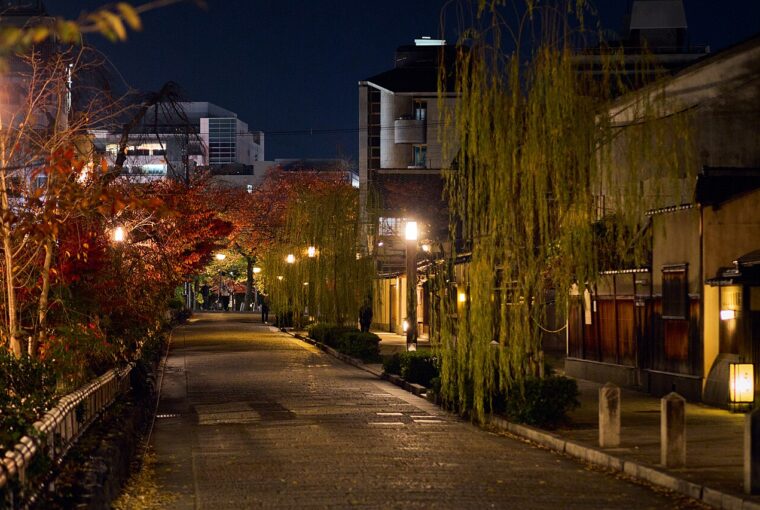
Kyoto’s appeal is deeply rooted in its preservation of history and community, which necessitates a strict adherence to local etiquette. The responsibility of the visitor is to ensure that their presence does not disrupt the daily lives of residents. This is particularly critical in districts like Gion.
Travelers must adhere to the following behavioral protocols:
- Photography Restrictions: Respect the privacy of geiko and maiko. They are not tourist attractions; do not stop, touch, follow, or photograph them without authorization. Furthermore, observe all signage prohibiting photography in private alleys and specific temple or shrine areas.
- Public Space Etiquette: Kyoto city ordinances prohibit smoking on public streets, with fines of 1,000 JPY for violations. Use only designated smoking areas.
- Waste Management: Carry a personal trash bag. Public garbage cans are limited, and the expectation is that visitors take their waste with them.
- Space Awareness: In crowded areas like Nishiki Market or Kiyomizudera Monzen, avoid stopping in the middle of thoroughfares to talk or take photos, as this impedes the flow of local residents and other visitors.
These practices are not merely suggestions but foundational requirements for maintaining the city’s sustainability, as outlined in the Sustainable Tourism guidelines provided by Kyoto Travel. For further context on balancing these ethical considerations with logistical planning, see our guide on Navigating Late-Autumn Travel: Logistics and Ethics.
Infrastructure and Safety Preparedness
Beyond local etiquette, the traveler must maintain a baseline of preparedness regarding infrastructure and safety. Japan’s national tourism infrastructure is highly structured, and understanding how to access emergency information is a critical component of any travel plan.
According to the Japan National Tourism Organization (JNTO), travelers should be aware of:
- Emergency Alerts: JNTO provides centralized information regarding seismic activity, volcanic warnings, and other natural disasters. Familiarize yourself with these resources before and during your trip.
- Carry-on Regulations: Be aware of the updated power bank rules implemented in April 2026. Travelers are limited to two power banks (each 160Wh or less) in carry-on luggage, and there are strict prohibitions against charging devices while onboard.
- Medical Preparedness: As advised by broader transportation security standards, such as those from the Transportation Security Administration (TSA), ensure all medications are packed in carry-on luggage. While the TSA’s specific liquid rules (3.4 ounces or less) are U.S.-centric, the principle of carrying essential medical supplies in your personal bag remains a universal best practice for international travel.
By integrating these safety protocols with the congestion-management strategies outlined above, travelers can move through Kyoto with a higher degree of confidence. The goal is to transition from a passive tourist to an informed participant in the city’s ongoing preservation.
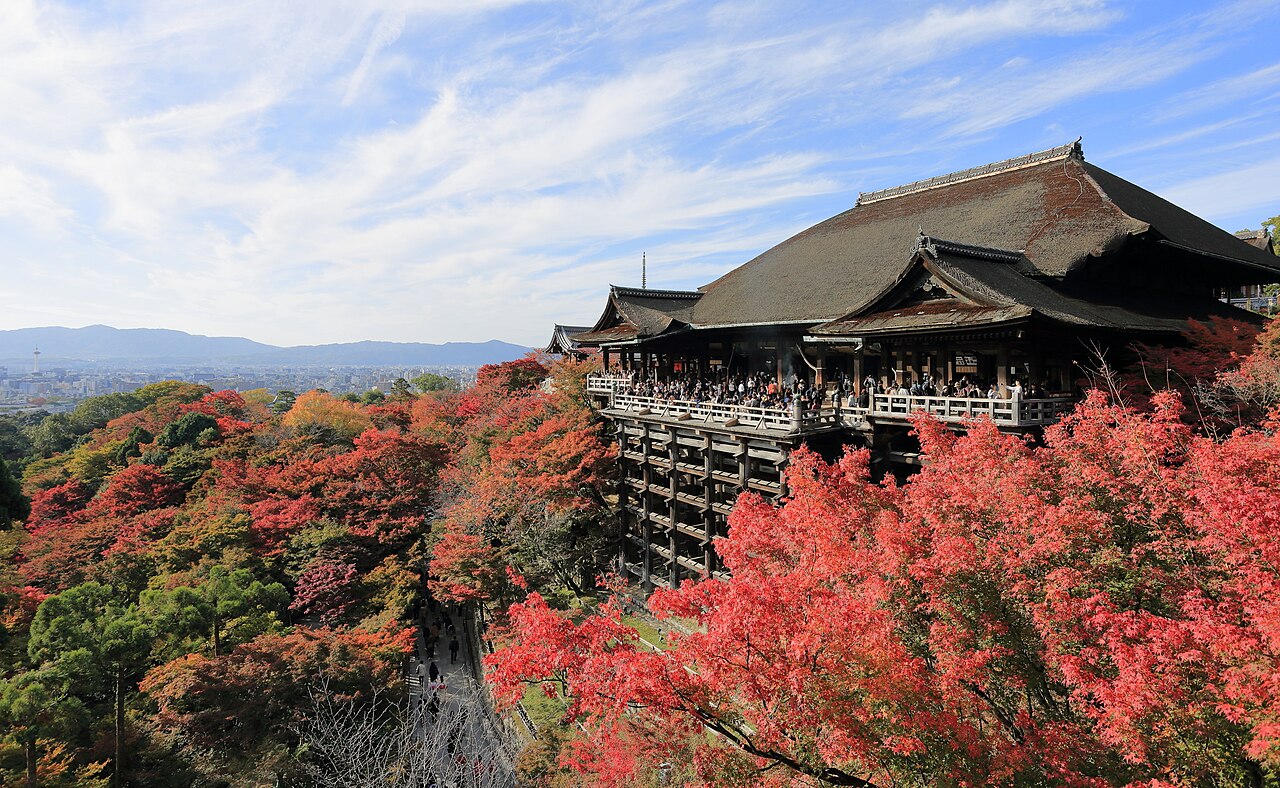
Representative photo illustrating the popular cultural sites that experience significant visitor density during the peak autumn travel season. Photo: Martin Falbisoner / Wikimedia Commons · CC BY-SA 4.0. Resized for display. Sources checked October 29, 2026.
Advertisement · From our publishing familyDiscover something new ↗