Note: This guide was prepared with the assistance of artificial intelligence. No physical visits to airports or hands-on testing of security equipment were conducted for this article. All information is synthesized from official Transportation Security Administration (TSA) resources as of November 2026.
As November arrives, the travel landscape shifts, introducing higher passenger volumes and a change in the nature of what travelers carry. Navigating the airport environment during this season requires a transition from a reactive mindset to one of operational readiness. Rather than viewing the security checkpoint as an unpredictable obstacle, travelers can treat it as a managed logistical phase. By understanding the layered nature of airport security and preparing accordingly, one can significantly reduce transit friction and enhance the overall efficiency of the journey.
The Pre-Departure Audit: Packing for Precision
The most critical phase of airport security occurs at home, well before you arrive at the terminal. A cluttered carry-on bag is the primary cause of checkpoint delays. TSA protocols are designed to identify potential threats, and a bag that is disorganized makes it difficult for officers to obtain clear images of the contents. To optimize your transit, adopt the “empty bag” philosophy: begin your packing process with an entirely empty piece of luggage to ensure no prohibited items from previous trips remain in side pockets or hidden compartments.
Adherence to the 3-1-1 liquids rule is fundamental to this audit. All liquids, aerosols, and gels in your carry-on must be 3.4 ounces (100 mL) or less and contained within a single bag. If a substance can be spilled, spread, sprayed, pumped, or poured and exceeds this limit, it must be placed in checked baggage. This rule extends to items such as sauces, jams, and preserves, which are common in seasonal travel. For those traveling with gifts, avoid wrapping them fully. Use gift bags or boxes with lids that can be easily removed, allowing officers to inspect the contents without damaging your preparations. Additionally, note that items such as snow globes containing liquid must be placed in checked luggage to comply with security standards, as detailed in the TSA Travel Tips.
For a broader view on managing the complexities of family travel during this season, refer to our Strategic Family Transit: A November Security Framework.
Navigating the Medical and Special Needs Checkpoint
Traveling with medical equipment or sensitive supplies requires a proactive communication strategy. The TSA provides specific protocols for travelers with disabilities or medical conditions, and navigating these begins with clear, advance notification. It is not necessary to present your medication or devices to an officer unless they are in liquid form, but if you have a medical device attached to your body, such as an insulin pump or glucose monitor, you should inform the officer of its location before the screening process commences. This allows officers to adjust their screening methods appropriately.
Logistical considerations for medical travelers include:
- Liquid Medications: You are permitted to carry medically necessary liquids exceeding 3.4 ounces. While you do not need to place these in a zip-top bag, you must declare them at the start of the screening process. Be prepared for these items to undergo additional screening, which may include visual inspection or testing.
- Notification Cards: While not required, you may use a TSA notification card to discreetly inform officers of your medical condition or the presence of a device, reducing the need for verbal communication in a busy terminal.
- The TSA Cares Program: For travelers requiring extra assistance, the TSA Cares program provides support. It is advisable to reach out to this service 72 hours prior to your trip if you have specific concerns about the checkpoint process or require guidance on navigating screening with specific equipment.
For those navigating broader transit protocols, see our guide on Navigating Air and Cruise Transit Regulations.
Operational Readiness: The Checkpoint Experience
Airport security is a layered approach, and procedures can adjust based on the evolving threat landscape. Because of this, you may notice changes in procedures from time to time. Whether you are in a standard lane or utilizing TSA PreCheck, the primary goal of the officers is to prevent prohibited items from entering the sterile area. When approaching the checkpoint, ensure your identification—such as a REAL ID or passport—is readily accessible, as you will be required to present it at the checkpoint entrance.
If you are selected for a pat-down, understand that this is a routine part of the security process, often triggered by technology alarms or unpredictable security measures. You have the right to request that a pat-down be conducted in a private area, and you may always request a companion of your choice to accompany you. Furthermore, if you have concerns at any point during the screening, you are encouraged to ask to speak to a supervisor. By treating the checkpoint as a predictable operational phase and arriving with sufficient time for all logistical steps—including parking, checking bags, and the security queue—you reduce the pressure on yourself and the security officers, contributing to a smoother transit experience, as outlined by the TSA Security Screening guidelines.
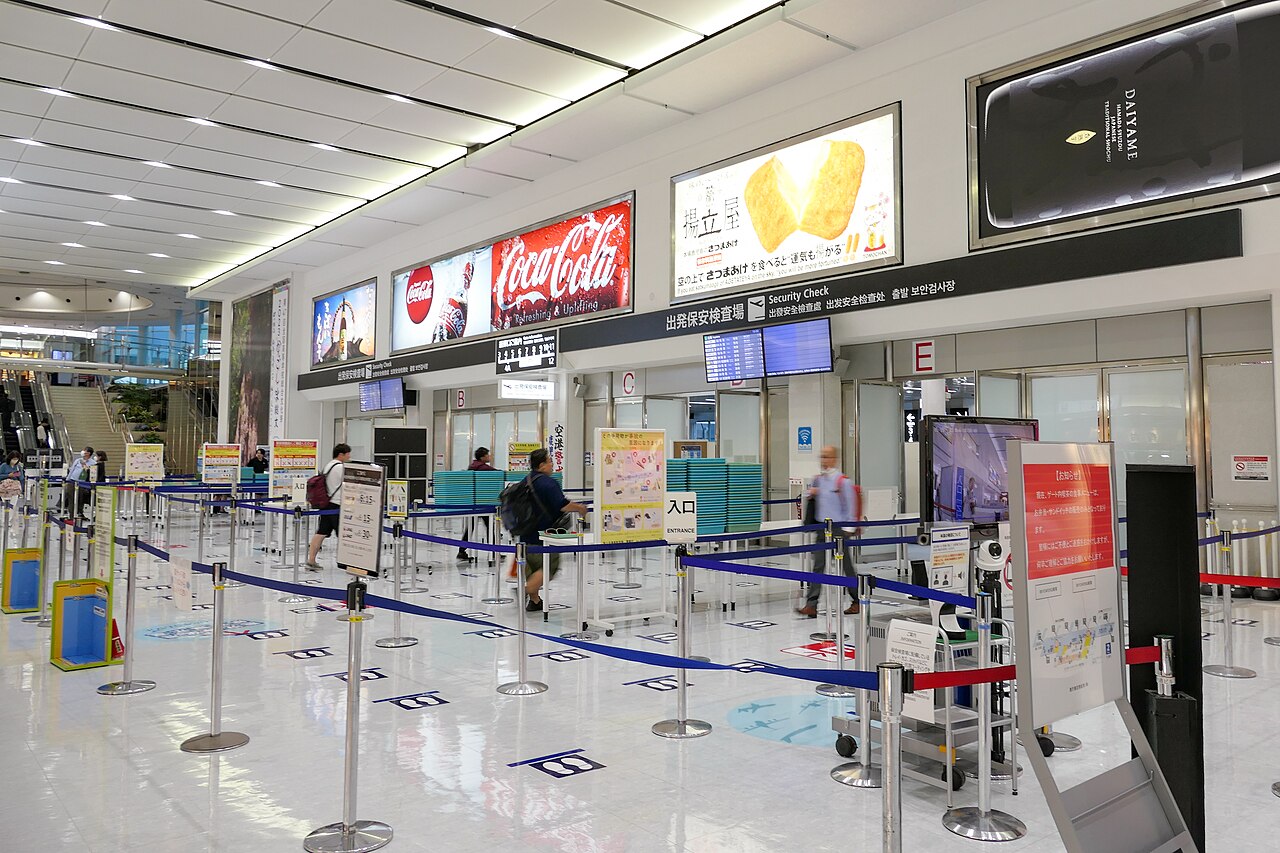
Representative photo illustrating an organized airport security checkpoint area, reflecting the structured environment where travelers navigate TSA screening procedures. Photo: MaedaAkihiko / Wikimedia Commons · CC BY-SA 4.0. Resized for display. Sources checked November 5, 2026.
Advertisement · From our publishing familyDiscover something new ↗