Note: This is a research-based guide prepared with AI assistance. No site visits or hands-on tests were conducted.
November is a peak month for travel, particularly for those heading to Japan to witness the transition of the autumn foliage. However, the journey requires more than just a passport and a ticket; it demands a psychological and operational recalibration. Travelers are moving from the highly regulated, compliance-heavy environment of United States airport security into the nuanced, high-context social environment of Japanese culture. This framework provides a logistical bridge between these two distinct systems, ensuring that your transition from the departure gate to the streets of Tokyo or Kyoto is as seamless as possible.
The Operational Departure: A TSA-Compliant Foundation
The logistical audit of your trip begins at the airport security checkpoint. According to the Transportation Security Administration, the most effective way to minimize friction at the checkpoint is to adopt a “blank slate” packing strategy. Starting with an empty bag ensures that no prohibited items remain in hidden compartments, a common oversight that frequently leads to secondary screening and unnecessary delays. For the November traveler, this is particularly relevant when packing seasonal gifts or local souvenirs that may be subject to different rules in checked versus carry-on luggage.
The 3.4-ounce (100 mL) rule for liquids, aerosols, and gels remains the hard boundary for carry-on baggage. However, the operational nuance lies in how you manage medical necessities. If you are traveling with medication in liquid form exceeding 3.4 ounces, it is permitted in reasonable quantities, but it requires proactive communication. You must notify the TSA officer at the start of the screening process. Similarly, if you utilize medical devices like insulin pumps or glucose monitors, you are not required to remove them, but you must inform the officer of their location. Utilizing a TSA notification card can facilitate this disclosure discreetly. As we explored in our analysis of Navigating Late-Autumn Transit and Seasonal Journeys, treating the airport transit day as a distinct operational phase of your trip rather than just a hurdle can significantly reduce the stress associated with these security protocols.
When transporting gifts, the logistics shift from security to structural integrity. The TSA advises using gift bags rather than wrapped boxes. This allows officers to inspect items without destroying the presentation. If you are transporting items like snow globes, these must be placed in checked luggage, as the liquid content exceeds carry-on limits. By preparing your carry-on with this level of precision, you ensure that your departure remains efficient, setting a calm tone for the long-haul flight ahead.
The Cultural Arrival: Navigating Japanese Social Norms
Upon landing, the behavioral mandate shifts from regulatory compliance to social awareness. Japanese culture emphasizes consideration and mindfulness, often summarized by the desire not to inconvenience others. This manifests in seemingly small but significant ways, such as the management of personal space and the disposal of waste. In Japan, you are expected to take your trash with you if public garbage cans are not available, a practice that reflects a broader cultural commitment to cleanliness and environmental respect. Observation is your most valuable tool; when in doubt, watch how locals behave in public spaces.
Dining etiquette requires particular attention. As outlined in our research on Navigating Japanese Dining: A Cultural Etiquette Framework, understanding the nuance of the “oshibori” (wet towel) is essential; it is intended for cleaning hands before eating, not for wiping your face. Furthermore, the concept of tipping is fundamentally different from the Western model. According to the Japan National Tourism Organization, tipping is not expected in bars, cafes, restaurants, or taxis. The Japanese social framework operates on the principle of providing excellent service as a standard, not as a performance tied to a gratuity.
The Financial Transition: Understanding Kokorozuke
While the standard practice is to avoid tipping, there are specific scenarios where a gesture of gratitude is appropriate. This is known as kokorozuke, or a gift “coming from the heart.” This is primarily relevant when engaging private guides or interpreters who are accustomed to international expectations. It is important to note that this is not a service charge and should not be treated as such.
If you choose to offer a gratuity, it should be done discreetly. The act of placing the money in an envelope is as important as the gratuity itself; it signifies respect and formality. You can purchase small cash envelopes at convenience stores, stationery stores, or 100-yen stores. As noted by the Japan National Tourism Organization, tipping is not expected and should be done discreetly, even in these cases. By understanding the distinction between a transactional tip and a culturally appropriate gesture, you avoid the common pitfall of over-tipping or inadvertently causing discomfort to service staff who are not accustomed to the practice.
Traveler’s Checklist for the November Pivot
- Pre-Departure: Perform a “bag audit” to remove all prohibited liquids or items from carry-ons.
- Medical: If traveling with medical devices, prepare a notification card for the TSA checkpoint.
- Gifts: Use gift bags instead of wrapped boxes to facilitate TSA inspections.
- Arrival: Observe the queueing culture immediately upon exiting the airport; do not cut lines.
- Tipping: Avoid tipping in standard commercial settings. If hiring a private guide, carry small envelopes for kokorozuke as a gesture of gratitude.
- Dining: Use the provided wet towel for hands only; avoid using it on your face.
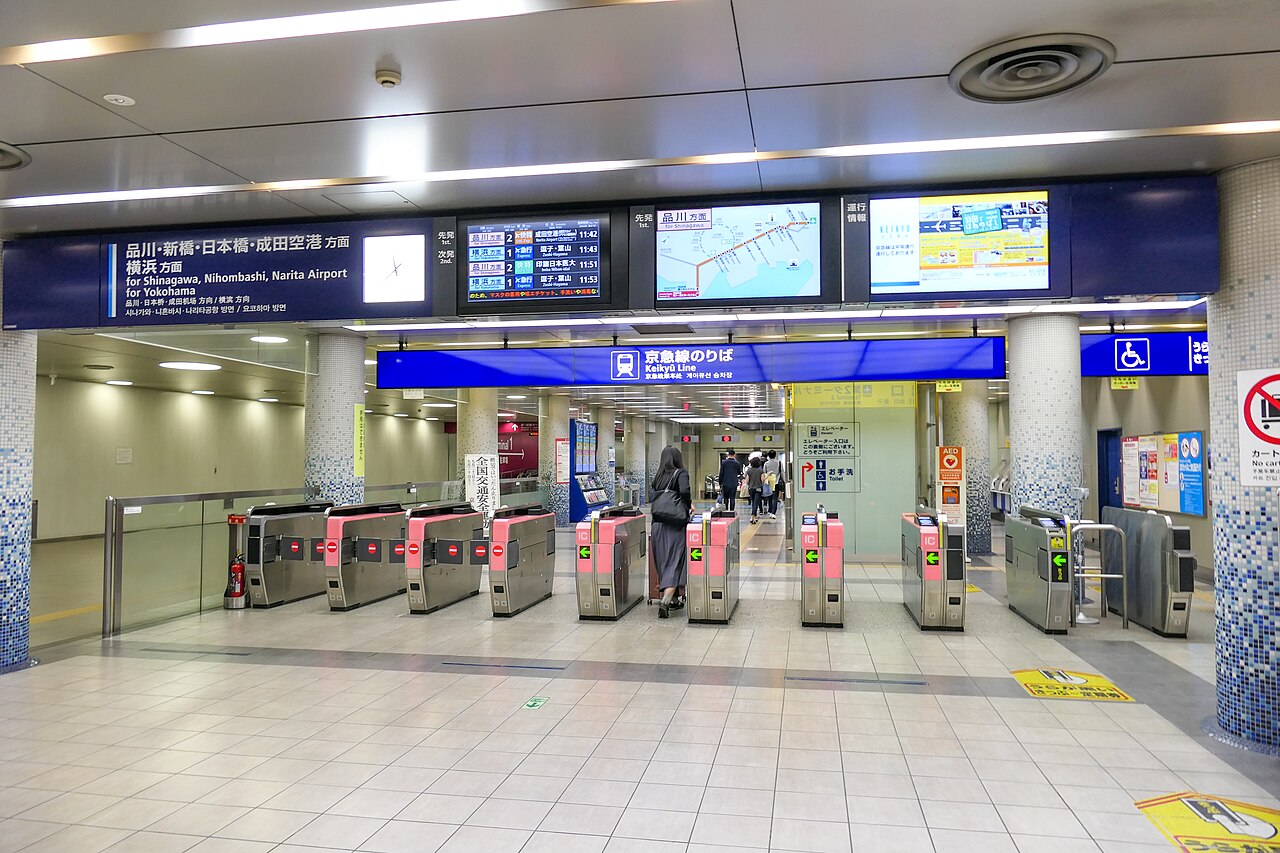
Representative photo: This image illustrates the orderly and efficient transit environment travelers encounter upon arrival in Japan, setting the stage for observing local social norms. Photo: MaedaAkihiko / Wikimedia Commons · CC BY-SA 4.0. Resized for display. Sources checked November 2, 2026.
Advertisement · From our publishing familyDiscover something new ↗