Note: This is a research-based guide prepared with AI assistance; no visit or hands-on test was conducted.
November represents a critical pivot point in the annual travel cycle. As the year wanes and the holiday season approaches, the demand for wellness-focused travel often intensifies. However, the efficacy of a wellness retreat—and the success of the trip itself—depends less on marketing materials and more on a structured, research-based approach to planning. By decoupling the marketing promises of a destination from the practical realities of travel logistics, you can build a November itinerary that actually delivers rest rather than additional stress.
Evaluating Wellness Claims and Expectations
The wellness industry often relies on aspirational language that can obscure the actual, evidence-based benefits of a retreat. Whether you are considering a spa resort or a structured retreat, it is essential to approach health claims with skepticism. According to research from the National Center for Complementary and Integrative Health (NCCIH), massage therapy—a staple of many wellness packages—is often used to manage health conditions or enhance general wellness, but its efficacy varies significantly by condition. For instance, while massage may provide short-term relief for neck and shoulder pain, the evidence for its impact on chronic low-back pain is often described as low-strength.
When reviewing a retreat’s offerings, look for transparency regarding what the sessions can achieve. If a program claims to cure specific medical ailments, cross-reference those claims with your own healthcare provider before booking. As noted by the NCCIH, you should never use wellness therapy to postpone seeing a healthcare provider about a medical problem. A strategic traveler views a spa menu as an add-on for relaxation rather than a substitute for medical care. When selecting a program, ask about the credentials of the practitioners and the specific goals of the treatments offered, ensuring they align with your personal restoration needs rather than generic health promises.
The Geothermal Pivot: Strategic Regional Wellness
For many, the November shift calls for environments that provide external warmth against the encroaching winter chill. Geothermal wellness is a particularly effective strategic choice for this time of year. Destinations like Iceland offer a unique intersection of natural landscape and infrastructure. As highlighted by Visit Iceland, the country’s geothermal wellness sector is built on sustainable, mineral-rich waters. However, a successful trip requires more than just booking a hotel; it requires understanding the region’s specific seasonal demands.
When planning a geothermal retreat in November, consider the local climate and the logistical reality of the region. The “wellness” aspect is not limited to the spa; it includes the comfort of your transit and the pacing of your itinerary. For a deeper look at balancing these elements, see our Strategic Wellness Pivot: A Research-Based Planning Framework. By choosing a destination that integrates wellness into the daily environment—such as the natural hot springs found across Iceland—you reduce the need for constant, high-energy activity, allowing for a more restorative pace.
Logistical Framework: The Wellness-to-Transit Audit
The most common failure in wellness travel is the “arrival shock.” Travelers often plan a serene retreat but neglect the logistical friction of getting there. A wellness trip is still a trip, and it is subject to the same transit constraints as any other journey. Before you depart, conduct a logistical audit of your packing and documentation, particularly if your wellness plan involves specific oils, supplements, or medical devices.
According to the Transportation Security Administration (TSA), all liquids, aerosols, and gels in carry-on bags must be 3.4 ounces (100 mL) or less. This is a common pitfall for wellness travelers bringing their own specialty lotions or essential oils. If you are traveling with medically necessary liquids, you are permitted to bring them in larger quantities, but you must inform the officer at the start of the screening process. Furthermore, if you are traveling with medical devices such as insulin pumps or glucose monitors, notify the TSA officers before screening begins. Do not assume that the “wellness” nature of your trip exempts you from standard security procedures. For further guidance on how to manage these transitions, review our Planning a Wellness Retreat: A Transit and Logistics Guide. By treating the logistics of your retreat with the same precision as the wellness program itself, you ensure that your return to normalcy is as seamless as your departure.
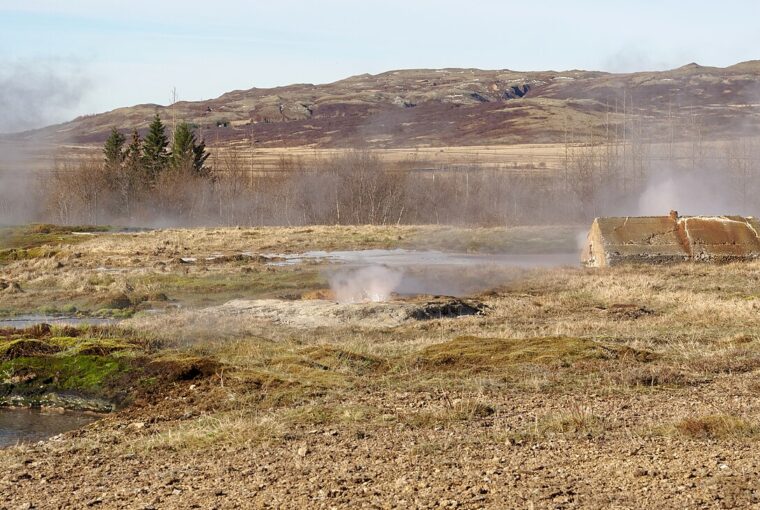
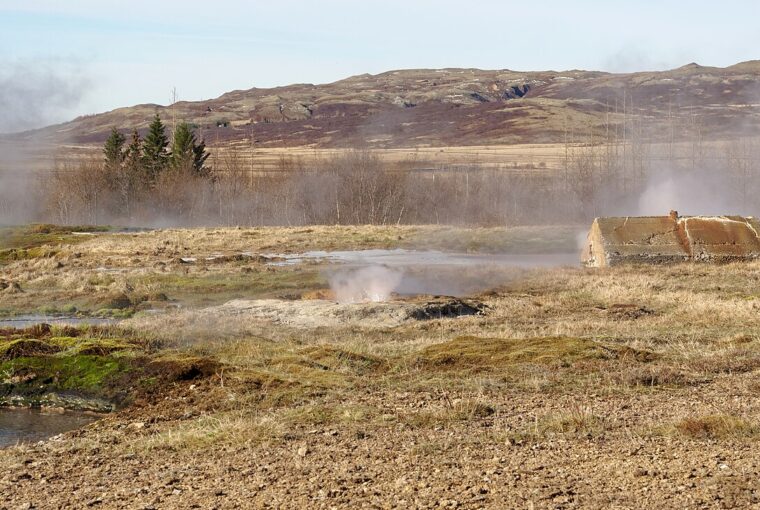
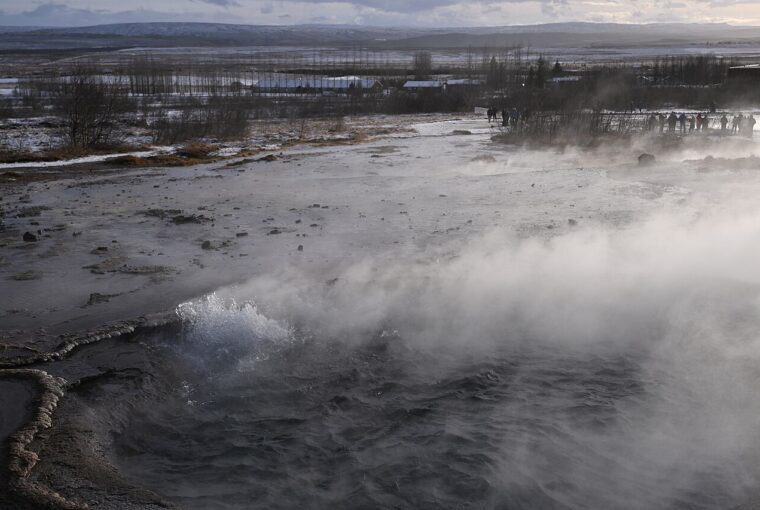
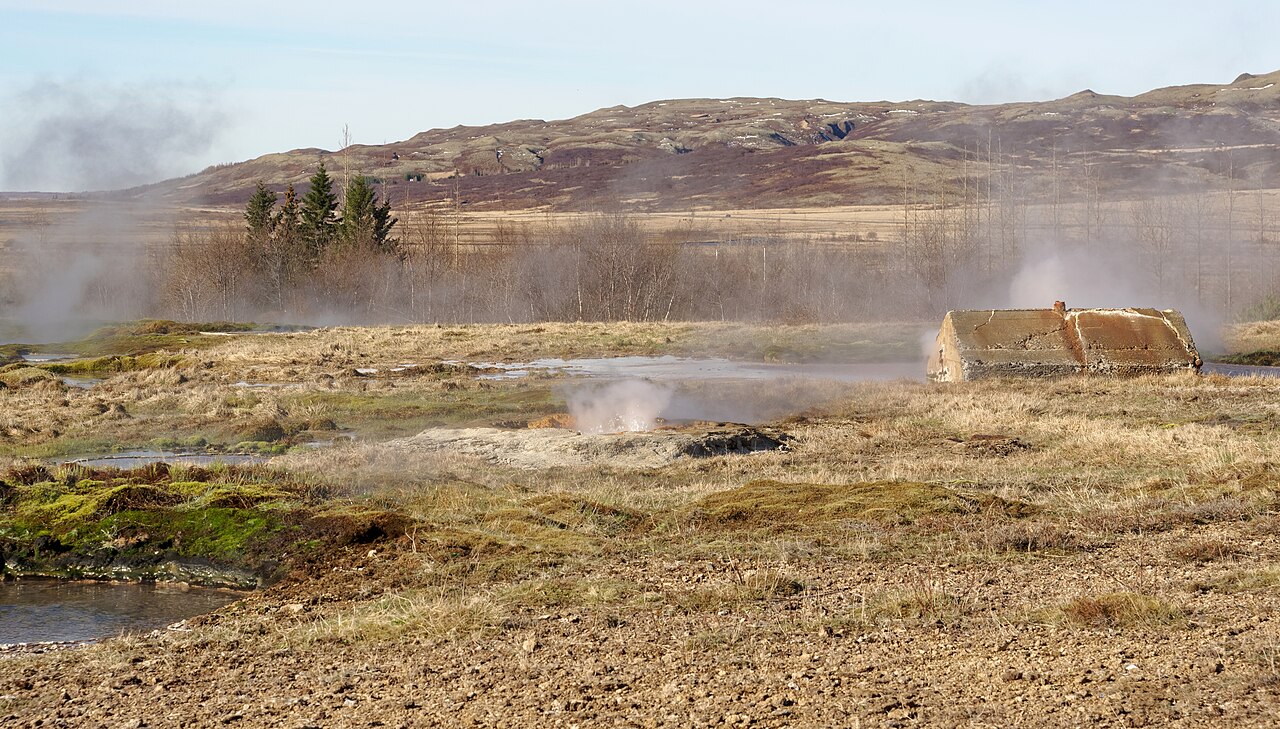
Representative photo: Geothermal landscapes illustrate the concept of nature-based wellness destinations, a key component of strategic travel planning. Photo: Jakub Hałun / Wikimedia Commons · CC BY-SA 4.0. Resized for display. Sources checked November 7, 2026.
Advertisement · From our publishing familyDiscover something new ↗