Note: This is a research-based guide prepared with AI assistance. No visit or hands-on test was conducted.
For the modern traveler, the concept of a wellness retreat often begins with a fundamental paradox: the stress of transit frequently undermines the very restorative goals the trip intends to achieve. Whether you are traveling for a spa-focused weekend or a structured health retreat, the transition period—the journey from your home to the facility—is a critical component of the wellness experience. By treating the logistics of travel as the first stage of your retreat rather than an obstacle to it, you can preserve your health goals from the moment you leave your front door. In November, as weather patterns shift and transit corridors become busier, proactive logistical planning is essential for maintaining your peace of mind.
The Logistical Foundation of a Wellness Trip
Wellness begins with the elimination of unnecessary friction. According to the Transportation Security Administration (TSA), travel stress is often exacerbated by last-minute surprises at the checkpoint. For a wellness-focused itinerary, this is particularly acute if you are traveling with medical equipment, specific dietary supplements, or specialized gear. The TSA provides several resources that can be integrated into your pre-trip planning to ensure the journey remains calm:
- TSA Cares: If you are traveling with a medical condition or disability, you can contact TSA Cares at 855-787-2227 at least 72 hours prior to your trip. This service allows you to request assistance through the checkpoint, which can significantly reduce the anxiety associated with navigating complex security procedures.
- Medical Liquids: If your wellness regimen requires specific liquid supplements or medications over 3.4 ounces (100 mL), these are permitted in carry-on bags. However, you must inform the officer at the start of the screening process. Do not wait until the item is flagged; proactive communication is a key component of stress-free transit.
- Packing Strategy: Start with an empty bag to ensure no prohibited items remain from previous trips. This simple habit prevents the secondary screening delays that often spike cortisol levels before a relaxing trip even begins.
By utilizing these tools, you ensure that your transition to the retreat is marked by preparation rather than administrative friction. For more on how to manage these decisions, see our guide on how to evaluate wellness retreat claims carefully.
Managing Wellness Expectations: A Research-Based Reality Check
Once you arrive at your destination, the effectiveness of a retreat often hinges on the traveler’s understanding of what specific treatments can—and cannot—achieve. It is essential to approach spa menus and wellness programs with a critical eye, distinguishing between evidence-based outcomes and marketing claims. Data from the National Center for Complementary and Integrative Health (NCCIH) provides a useful framework for setting these expectations. For instance, while massage therapy is a cornerstone of many retreats, the scientific evidence for its efficacy varies by condition:
- Pain Management: Research indicates that while massage therapy may provide short-term relief for neck and shoulder pain, the evidence for its long-term benefits in chronic low-back pain is considered low.
- Fibromyalgia: Studies suggest that massage therapy can improve pain, anxiety, and depression in people with fibromyalgia, provided the sessions are continued for at least five weeks. A weekend retreat, while restorative, may not produce the same clinical outcomes as a sustained program.
- Contextualizing Care: The NCCIH emphasizes that massage therapy should not be used to postpone seeing a health care provider about a medical problem. If you are booking a retreat to address a specific health concern, it is vital to discuss your plans with a primary care provider first.
By understanding these limitations, you can shift your retreat goals from “curing” a condition to “managing” well-being and finding restorative space, which is a more sustainable and realistic objective for a short-term trip.
Integrating Destination Assets: The Geothermal Example
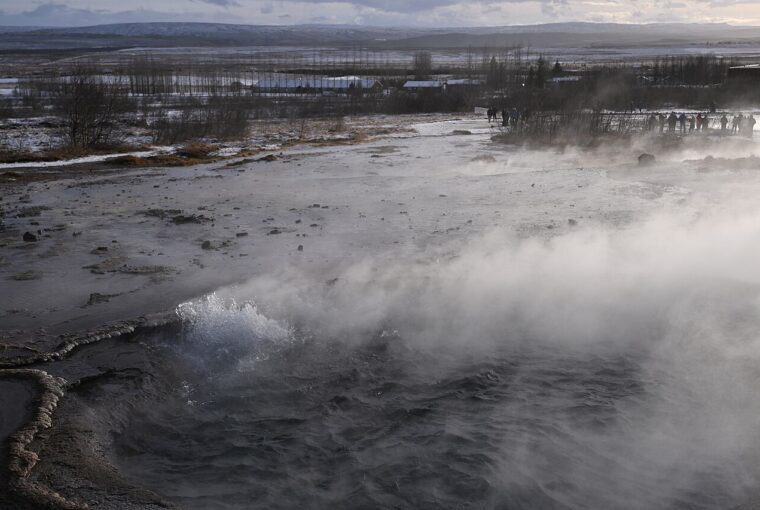
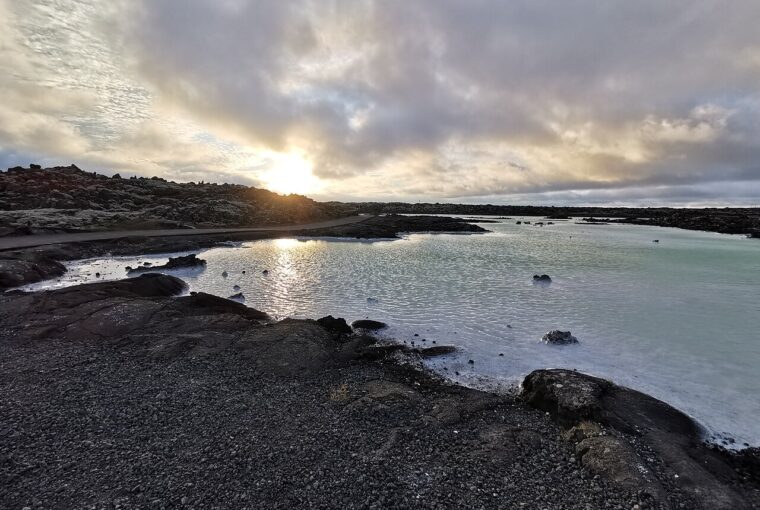
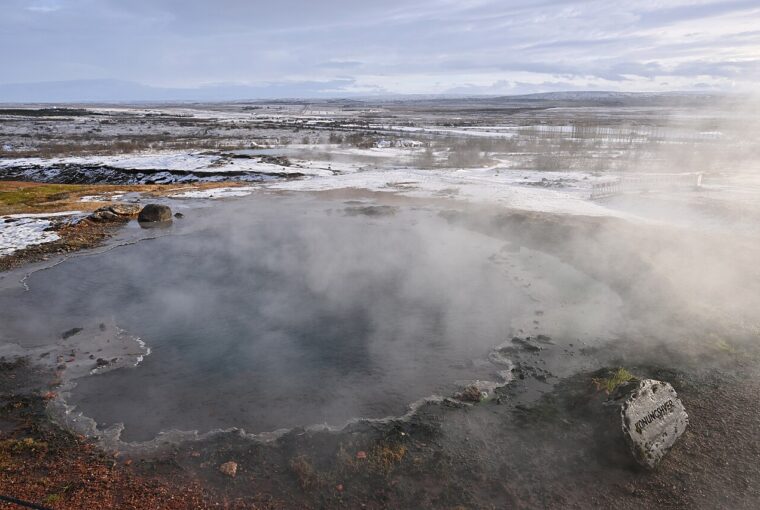
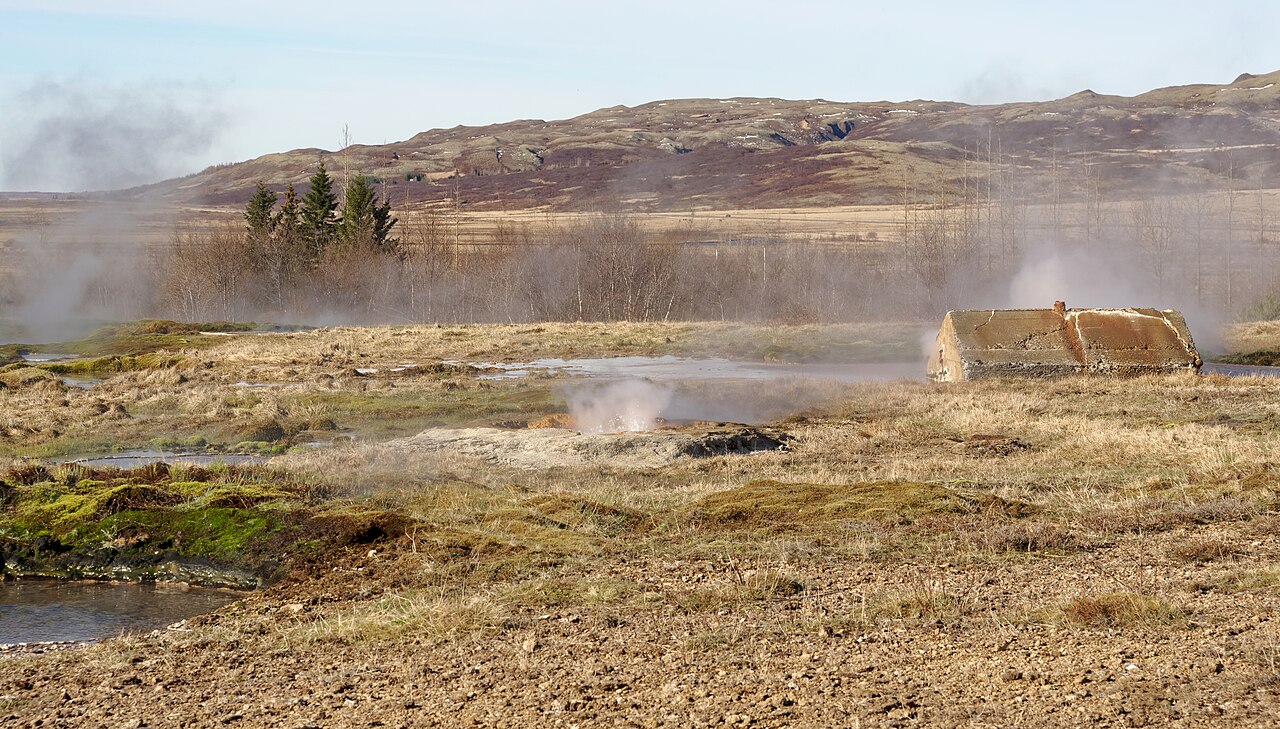
When selecting a destination, look for locations where the environment itself supports your wellness goals. Iceland, for instance, offers a unique case study in leveraging natural assets for wellness. According to Visit Iceland, the country’s geothermal wellness culture is deeply integrated into its landscape, with numerous hot springs and luxury spas utilizing sustainable, mineral-rich waters. However, even in a destination built for relaxation, planning is required to ensure the experience remains restorative. Before you arrive, it is essential to understand the cultural and operational norms of the space. For example, understanding the specific etiquette of a shared thermal bath can prevent the social anxiety of “doing it wrong” upon arrival. We have previously detailed the importance of thermal bath etiquette before you arrive, which serves as a vital checklist for ensuring your time in the water is focused on relaxation rather than navigating unspoken rules.
Checklist for a Restorative November Trip
To build a successful wellness retreat, you must treat the trip as a cohesive system: the travel logistics, the evidence-based expectations of the treatments, and the destination-specific norms. Use the following checklist to audit your plans:
- Audit your transit: Have you checked the TSA “What Can I Bring?” guidance for your specific wellness items?
- Verify your medical needs: Have you cleared your planned treatments with your primary care provider, especially if you have chronic pain or specific medical conditions?
- Research the destination culture: Have you reviewed local etiquette for spas or thermal baths to avoid last-minute stress?
- Set realistic goals: Are you expecting a “cure” or a “reset”? Aligning your expectations with the reality of short-term spa treatments will prevent disappointment.
By auditing each of these areas before you depart, you ensure that the retreat provides the restorative experience you intended, rather than just a change of scenery. November travel requires a higher degree of flexibility, but with the right logistical framework, you can turn a potentially stressful journey into the beginning of your wellness experience.
Representative photo illustrating the geothermal landscapes often associated with nature-based wellness travel. Photo: Jakub Hałun / Wikimedia Commons · CC BY-SA 4.0. Resized for display. Sources checked October 31, 2026.
Advertisement · From our publishing familyDiscover something new ↗