Note: This is a research-based guide prepared with AI assistance; no visit or hands-on test was conducted.
Wellness travel is often marketed as a seamless transition into tranquility, promising an immediate shift from the stresses of daily life to a state of restorative calm. However, the reality of modern transit often contradicts this narrative. The journey to a retreat—which may involve long-haul flights, complex transfers, and the transport of specialized wellness gear—requires as much logistical precision as any other form of travel. For those planning a wellness escape in November, the transition involves not just booking the right program, but managing the practicalities of transit and setting realistic expectations for what a retreat can actually provide.
Navigating Airport Security with Wellness Essentials
The first hurdle in any wellness-focused trip is often the airport security checkpoint. If your retreat experience involves specific oils, supplements, or medical devices, you must be prepared to navigate the Transportation Security Administration (TSA) guidelines effectively. Packing for a wellness trip frequently involves liquids, aerosols, or gels that may exceed standard allowances. According to current TSA guidance, all liquids, aerosols, and gels packed in carry-on bags must be 3.4 ounces (100 mL) or less. If you are bringing larger quantities of massage oils or specialty bath products, these must be placed in checked baggage.
For travelers managing chronic conditions or those who rely on specific medical equipment, the process requires proactive communication. If you are traveling with medical supplies, such as insulin pumps or glucose monitors, inform the TSA officer about your device and its location prior to the screening process. You are not required to remove medical devices attached to your body. Furthermore, if you anticipate needing assistance, the TSA Cares program offers support for travelers with disabilities or medical conditions; reaching out 72 hours prior to your trip can significantly reduce anxiety at the checkpoint.
When packing, start with an empty bag. This simple habit, recommended by the TSA, ensures you are not inadvertently carrying prohibited items through the checkpoint. If your wellness retreat includes gifts or specialized equipment, remember that snow globes and similar liquid-filled items must be checked. By treating the transit phase as a deliberate part of your wellness journey, you can minimize the friction that often precedes the relaxation you seek.
Evaluating the Wellness Promise: Research-Based Realities
Before committing to a program, travelers must evaluate the claims made by resorts and retreat organizers. It is essential to distinguish between wellness enhancements and medical treatments. The National Center for Complementary and Integrative Health (NCCIH) provides valuable context for understanding what therapies like massage can realistically achieve. For instance, while massage therapy is often a centerpiece of luxury wellness packages, research on massage therapy suggests that while it may provide short-term relief for conditions like neck and shoulder pain or osteoarthritis of the knee, the evidence is often insufficient to classify it as a long-term treatment for chronic issues like low-back pain.
When reviewing a retreat’s offerings, apply a critical lens. If a program claims to cure specific medical conditions or offers complex health interventions, ask for the credentials of the practitioners and the evidence supporting their techniques. As discussed in our guide on evaluating wellness retreat claims carefully, it is vital not to use a retreat as a substitute for seeing a healthcare provider about a specific medical problem. Use your time at a retreat to focus on stress reduction, rest, and quality of life rather than seeking a medical cure.
Furthermore, decide whether you are looking for a spa resort or a structured retreat. A spa resort typically offers a menu of services that you can select at your leisure, providing flexibility and autonomy. A structured retreat, conversely, may involve a set itinerary of workshops, meditation sessions, and group activities. Understanding the difference is crucial for ensuring the environment matches your personal goals for the trip.
The Seasonal Shift: Why November Works for Geothermal Wellness
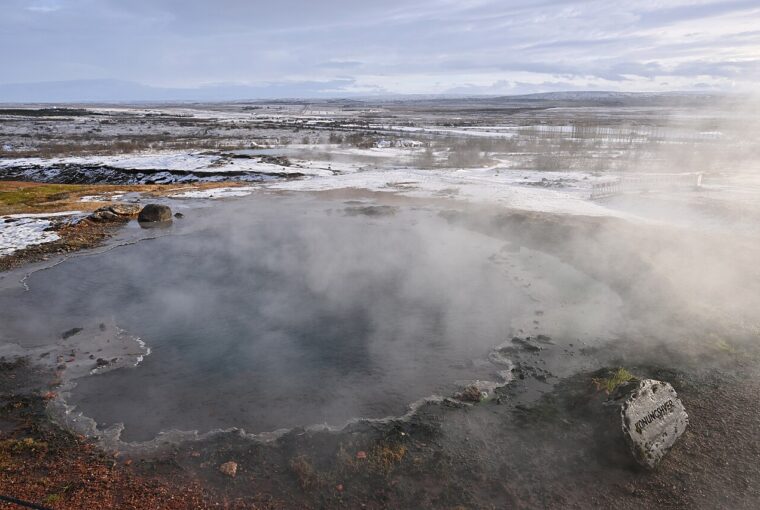
November offers a unique window for wellness travel, particularly in regions where the environment itself plays a role in the restorative process. Iceland, for instance, becomes an increasingly compelling destination as the days shorten and the temperatures drop. According to Visit Iceland, the month of November is an ideal time to experience the country’s geothermal wellness culture. The contrast between the cold air and the warmth of mineral-rich geothermal pools creates a sensory experience that is difficult to replicate elsewhere.
When planning a trip to a destination like Iceland in November, your packing strategy must be as robust as your itinerary. Because the weather changes rapidly, prioritize layers and waterproof gear. The goal is to ensure that your physical comfort—staying warm and dry—is never compromised, which in turn allows you to focus fully on the geothermal experience. Whether you are visiting a well-known luxury spa or seeking out more remote hot springs, the key is to integrate the environment into your wellness plan. By aligning your destination choice with the seasonal strengths of the location, you can create a trip that feels both purposeful and deeply restorative.
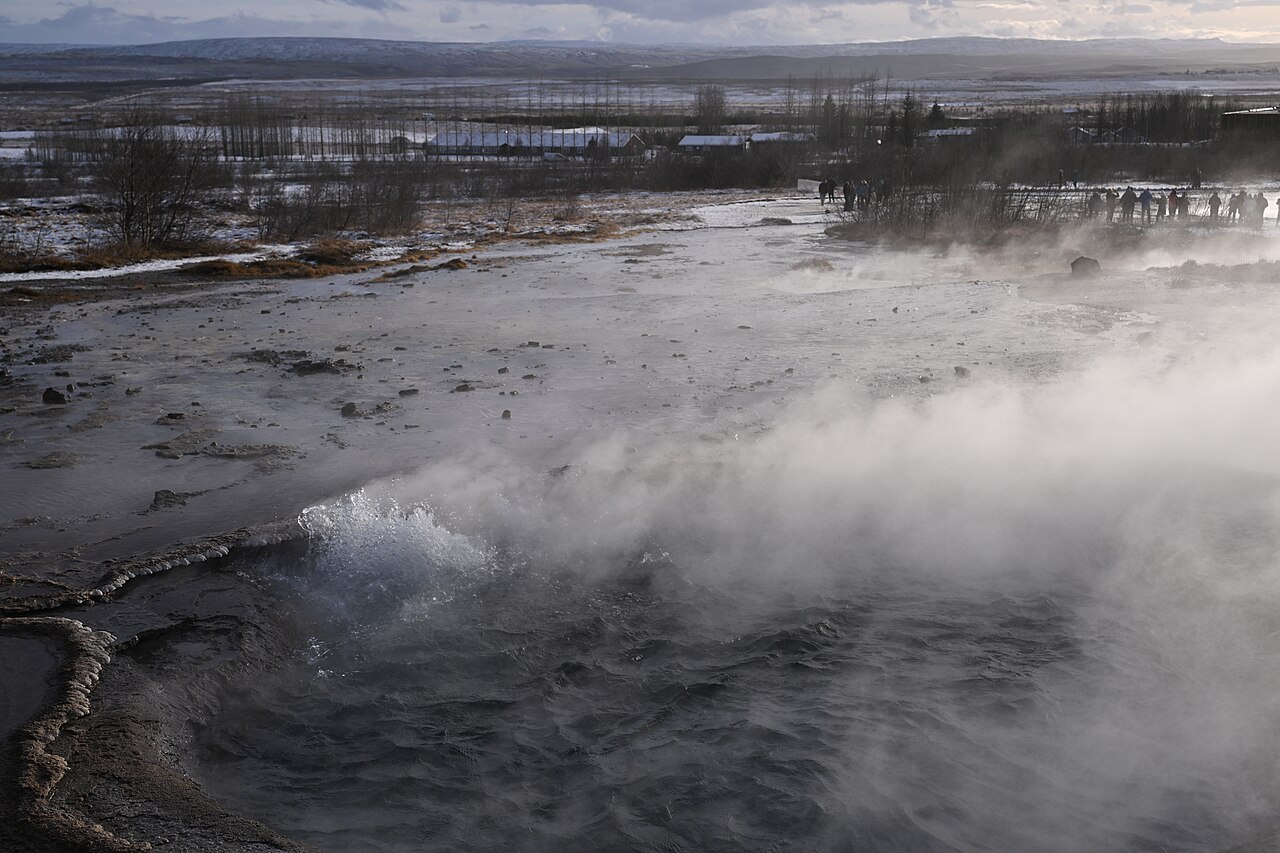
Representative photo illustrating the geothermal wellness culture in Iceland, which aligns with the seasonal focus on restorative landscapes during colder months. Photo: G. Edward Johnson / Wikimedia Commons · CC BY 4.0. Resized for display. Sources checked October 28, 2026.
Advertisement · From our publishing familyDiscover something new ↗