Note: This is a research-based guide prepared with AI assistance; no visit or hands-on test was conducted.
The modern wellness retreat industry often relies on marketing language that promises transformative outcomes. However, for the discerning traveler, the primary challenge is not finding a destination, but auditing the scientific validity of the wellness claims presented. A strategic approach to planning a wellness-focused trip requires separating anecdotal success stories from verified, evidence-based practices. As we navigate the late-autumn season, when many travelers seek rest and rejuvenation before the holiday rush, the necessity for a rigorous, research-based planning framework becomes paramount.
The Strategic Wellness Audit: Evaluating Claims vs. Reality
Before booking, it is essential to Evaluate Wellness Retreat Claims Carefully. Many retreats offer services like massage therapy, which, while popular, are not universal cures. According to the National Center for Complementary and Integrative Health (NCCIH), while massage therapy is used by 10.9 percent of U.S. adults as of 2022, the scientific evidence for its efficacy varies significantly by condition. When selecting a retreat, conduct a pre-booking audit based on these research-backed markers:
- Credentials and Regulation: In the United States, 45 states and the District of Columbia regulate massage therapy. Ensure the retreat employs licensed professionals who have graduated from approved programs. Ask for credentials before arrival.
- Condition-Specific Efficacy: If you are seeking a retreat to manage a specific condition, understand the limits of the evidence. For example, while massage may provide short-term relief for neck and shoulder pain, evidence for its effectiveness in treating chronic low-back pain is considered low by the Agency for Healthcare Research and Quality.
- Avoidance of Medical Substitution: A retreat should never be a substitute for seeing a healthcare provider about a medical problem. Use the retreat as a complement to, not a replacement for, professional medical care.
Distinguishing between a Spa Resort or Structured Retreat is a critical planning decision. A spa resort typically focuses on relaxation and luxury, whereas a structured retreat may involve specific health goals or programs that require a higher level of professional oversight. Understanding this distinction prevents the common mistake of expecting clinical results from a purely leisure-focused environment.
Geothermal Wellness: A Case Study in Iceland
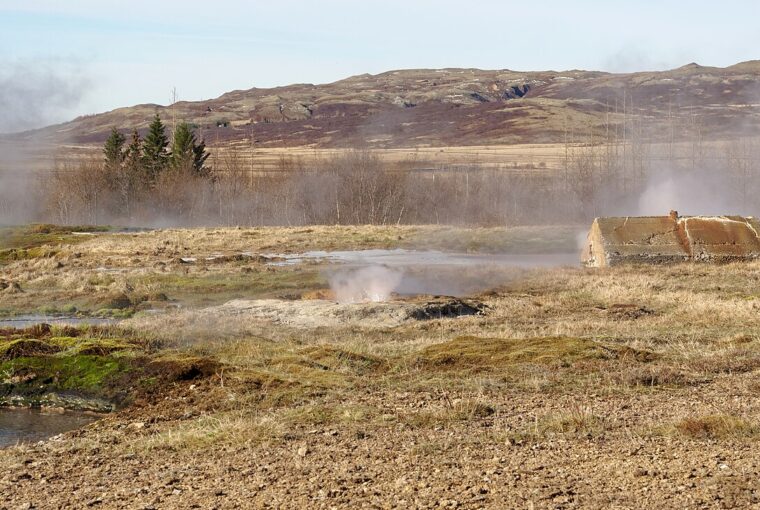
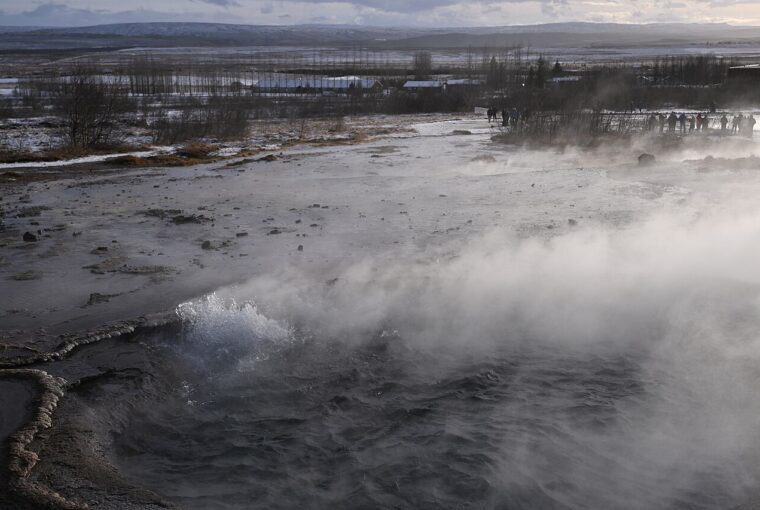
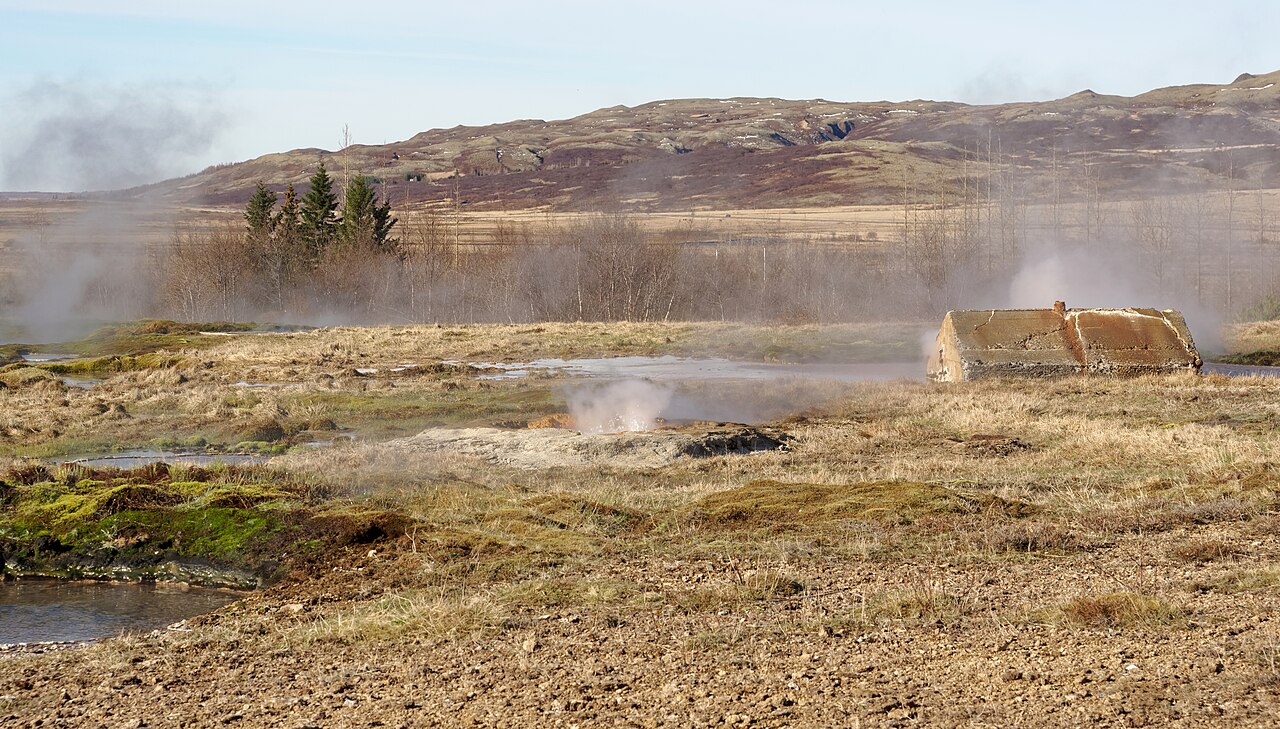
Iceland provides a useful model for evaluating regional wellness infrastructure. The country leverages its natural geothermal resources to provide a distinct wellness experience. As documented by Visit Iceland, the island features 14 unique wellness spots that utilize mineral-rich waters from geothermal sources. This is an example of a wellness offering rooted in geography and local culture rather than manufactured, proprietary treatments. When planning an Iceland-based wellness trip, consider the following logistical factors:
- Understand the Environment: Geothermal wellness is a cultural staple, but it requires preparation. The weather in Iceland changes rapidly, and travelers must account for this in their packing and daily scheduling.
- Hydration and Safety: High-temperature bathing can affect the body differently than standard spa treatments. Always prioritize hydration and monitor your physical response to the heat.
- Sustainability and Authenticity: Choose locations that highlight sustainable use of energy. Iceland’s geothermal wellness is built on abundant, sustainable natural heat, which aligns with responsible travel practices.
Managing Expectations for Pain and Recovery
For travelers seeking relief from conditions such as osteoarthritis or frequent headaches, the planning process must be grounded in realistic expectations. According to the National Center for Complementary and Integrative Health (NCCIH), osteoarthritis (OA) is the most common type of arthritis, affecting cartilage in the hands, knees, hips, and spine. While some evidence suggests that massage therapy may be helpful for OA, the research is limited. Participating in tai chi or specific exercises may offer better outcomes for pain, stiffness, and joint function in people with knee osteoarthritis.
Similarly, for those managing headaches, the NCCIH notes that while acupuncture can be helpful for headaches, the evidence for massage therapy is limited or inconsistent. When planning a retreat to address these issues, prioritize programs that offer a multimodal approach, including movement therapies like tai chi or guided relaxation, rather than relying solely on passive treatments. Always consult your primary healthcare provider before embarking on a wellness trip that involves physical therapy or intensive wellness programs, especially if you have pre-existing conditions or are managing chronic pain. By integrating these research-based considerations into your planning phase, you can ensure that your wellness retreat provides genuine value rather than just a temporary escape.
Representative photo. This image illustrates the natural geothermal landscapes in Iceland, which are discussed in the article as examples of wellness offerings rooted in geography and local culture. Photo: Jakub Hałun / Wikimedia Commons · CC BY-SA 4.0. Resized for display. Sources checked November 4, 2026.
Advertisement · From our publishing familyDiscover something new ↗