Note: This is a research-based guide prepared with AI assistance. No visit or hands-on test was conducted.
November is arguably the most complex month in the global travel calendar. It is a period of transition, where the reliable conditions of summer fully dissolve into the unpredictability of winter. For the strategic traveler, this is not a deterrent but a logistical variable that requires a specific planning framework. Whether you are navigating the transition to winter in North America, the tail end of the autumn foliage season in East Asia, or the quiet shoulder season in Europe, success depends on understanding regional shifts rather than relying on generic seasonal assumptions.
The November Pivot: Understanding Regional Differences
Travelers often make the mistake of treating November as a monolithic block of time. However, as noted in The November Pivot: A Strategic Approach to Seasonal Travel, the month is actually a series of distinct operational shifts. In some regions, November marks the start of the off-season, leading to reduced services, while in others, it is the peak of cultural or natural events.
To plan effectively, you must first categorize your destination by its November characteristic. Is it entering a period of closure, or is it in the final, high-traffic window of autumn? Matching your expectations to these realities is the foundation of a resilient itinerary.
Quebec City: Navigating the Pre-Winter Transition
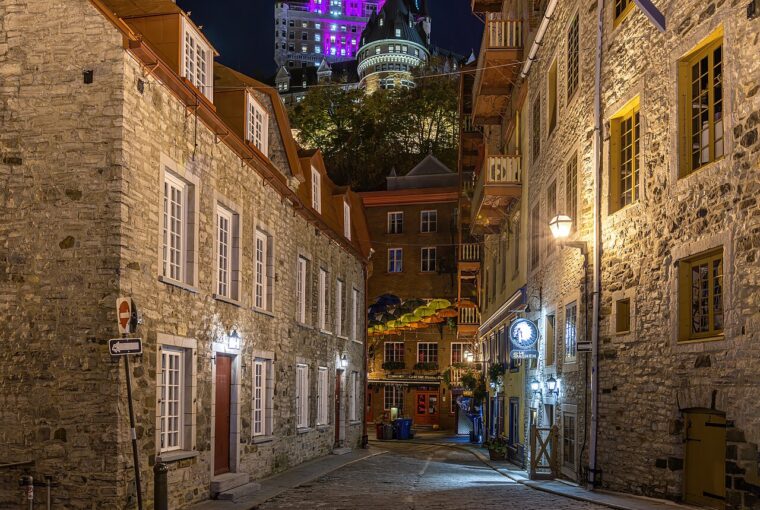
Quebec City provides a distinct case study for the “pre-winter” transition. As outlined on the official Quebec City tourism website, the city is a four-season destination, but the late-autumn period requires specific attention to the city’s unique geography. As the only fortified city north of Mexico, its historic center is compact and highly walkable, which is an advantage when temperatures drop but snow has not yet settled permanently.
When planning for a November trip here, prioritize the “shoulder” nature of the city’s infrastructure. The official guide emphasizes that the city’s charm is year-round, but travelers should be prepared for the variability between late-autumn rain and early-winter flurries. Because the city is dense, you can easily pivot from outdoor exploration to indoor cultural activities like visiting the Musee national des beaux-arts du Queec or the Musee de la civilisation if weather conditions shift. The key to a successful November visit here is to treat the weather as a primary itinerary driver rather than a secondary concern.
Japan’s Late-Autumn Logistics
In contrast to the pre-winter conditions of Canada, Japan in November is often characterized by the final, vibrant displays of autumn leaves. The Japan National Tourism Organization (JNTO) guide highlights that “Autumn Leaves Forecasts” are essential tools for any traveler visiting during this time. Unlike summer travel, where the focus is on broad access, November in Japan requires precise timing based on the progression of these leaves from north to south.
Logistically, this period also demands a heightened focus on etiquette. As the JNTO resources suggest, understanding dining, bathing, and temple-visit customs is more critical as the season wanes and crowds shift. If you are planning a trip, utilize the provided guides on Japanese manners to ensure your presence is respectful. Additionally, as discussed in our internal analysis, Shoulder Season Is Different in Every Destination, the transition to winter in Japan can impact transit schedules, particularly in mountainous regions. Always verify regional transport availability, as some seasonal services may begin to wind down by late November.
Shoulder-Season Transit in Scotland and Switzerland
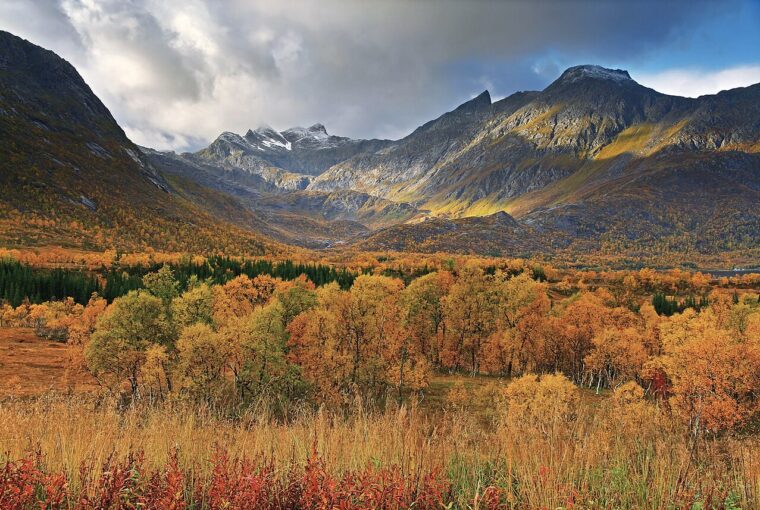
For destinations like Scotland and Switzerland, November is the quintessential shoulder season. Resources from VisitScotland and Switzerland Tourism emphasize that this time of year requires a “weather-first” planning approach. In Scotland, the focus is on the transition of landscapes; the official planning guides note that travelers must be prepared for shorter daylight hours and changeable weather, which directly affects travel times on roads and ferries.
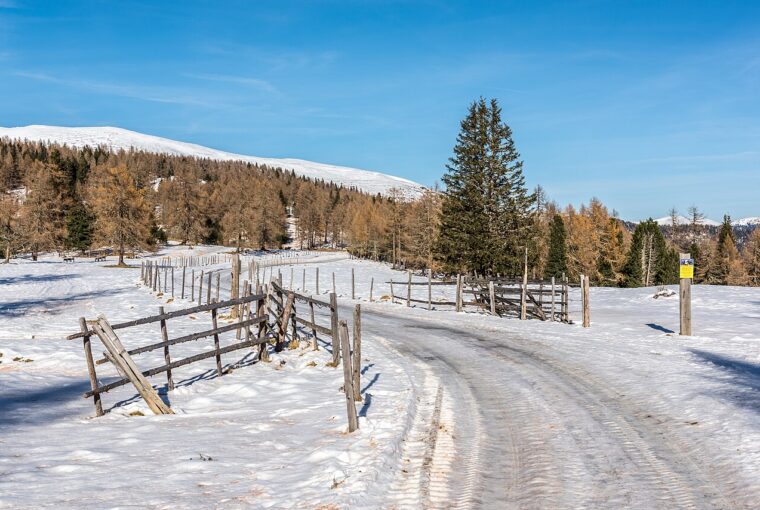
In Switzerland, the planning framework shifts toward the preparation for the upcoming winter season. While the major transport networks remain robust, the focus for the traveler should be on the “barrier-free” and public transport accessibility that these countries are known for. When planning your route, use the official Swiss transport tools to ensure that your itinerary accounts for the transition from hiking-focused summer schedules to the winter rail and lift operations.
A Logistics Checklist for November Travel
- Weather Monitoring: Do not rely on historical averages. Check the specific, real-time weather forecasts for your destination 48 hours before departure.
- Transport Audit: Confirm that the specific rail, ferry, or bus routes you intend to use are still operating on their full-season schedules.
- Cultural Context: Check local calendars for late-autumn festivals or holiday closures. November often hosts cultural events that can impact opening hours.
- Flexible Itinerary: Build a “Plan B” for every day. If your primary outdoor activity is weather-dependent, have a secondary, indoor-focused itinerary ready to deploy.
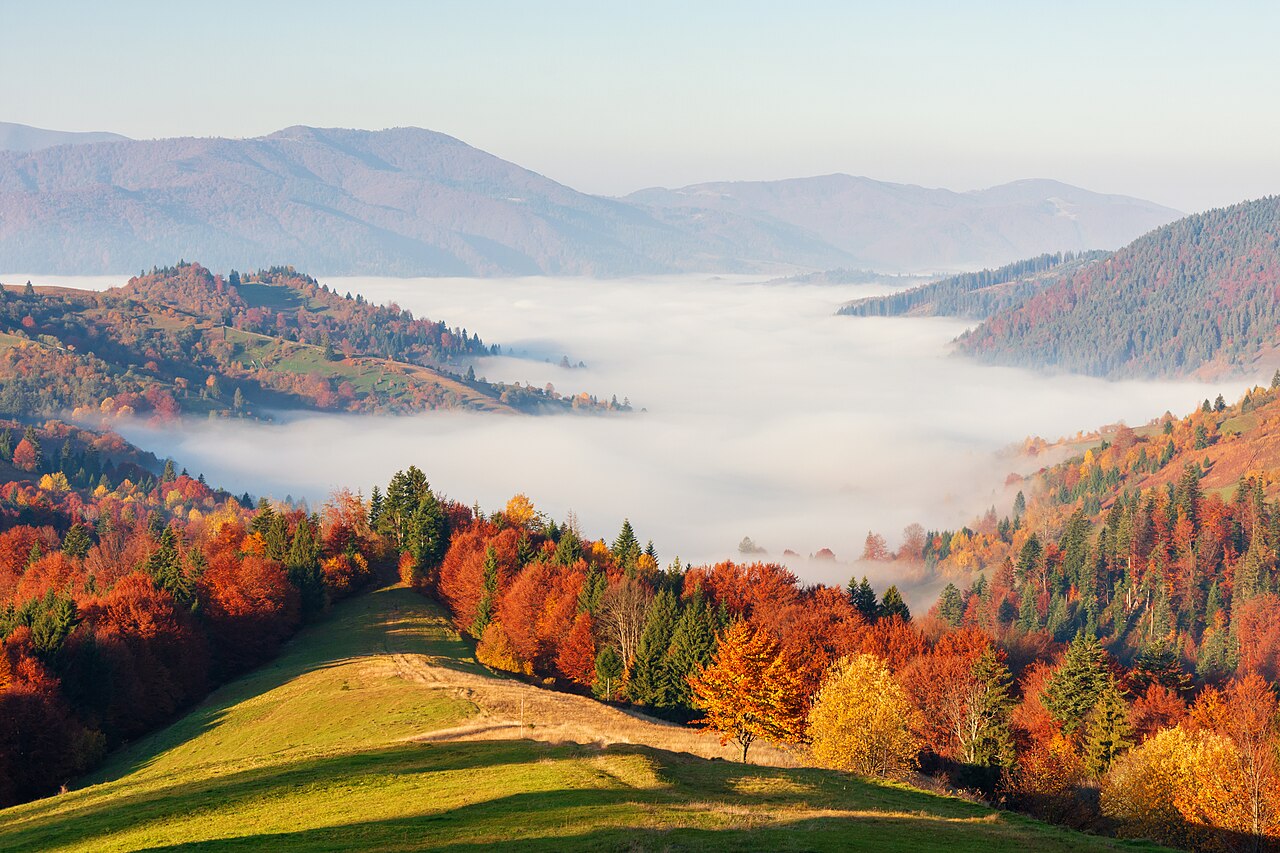
Representative photo showing the seasonal transition of autumn landscapes, which is a key consideration for travelers navigating the unpredictable shoulder season. Photo: Rbrechko / Wikimedia Commons · CC BY-SA 4.0. Resized for display. Sources checked November 2, 2026.
Advertisement · From our publishing familyDiscover something new ↗