Note: This is a research-based guide prepared with AI assistance; no visit or hands-on test was conducted.
November represents a distinct logistical pivot in the global travel calendar. As the Northern Hemisphere transitions into colder, shorter days, the demands on the traveler shift from simple itinerary management to a more rigorous focus on environmental adaptation and infrastructure navigation. Whether one is traversing the historic, stone-paved streets of a fortified urban center or navigating the remote, geothermal landscapes of the North, the success of a trip relies on proactive preparation. This guide examines two distinct travel archetypes—the urban historical escape and the geothermal wellness retreat—using primary documentation from Destination Québec Cité and Visit Iceland to establish a framework for late-autumn travel.
Urban Logistics: Navigating Québec City in November
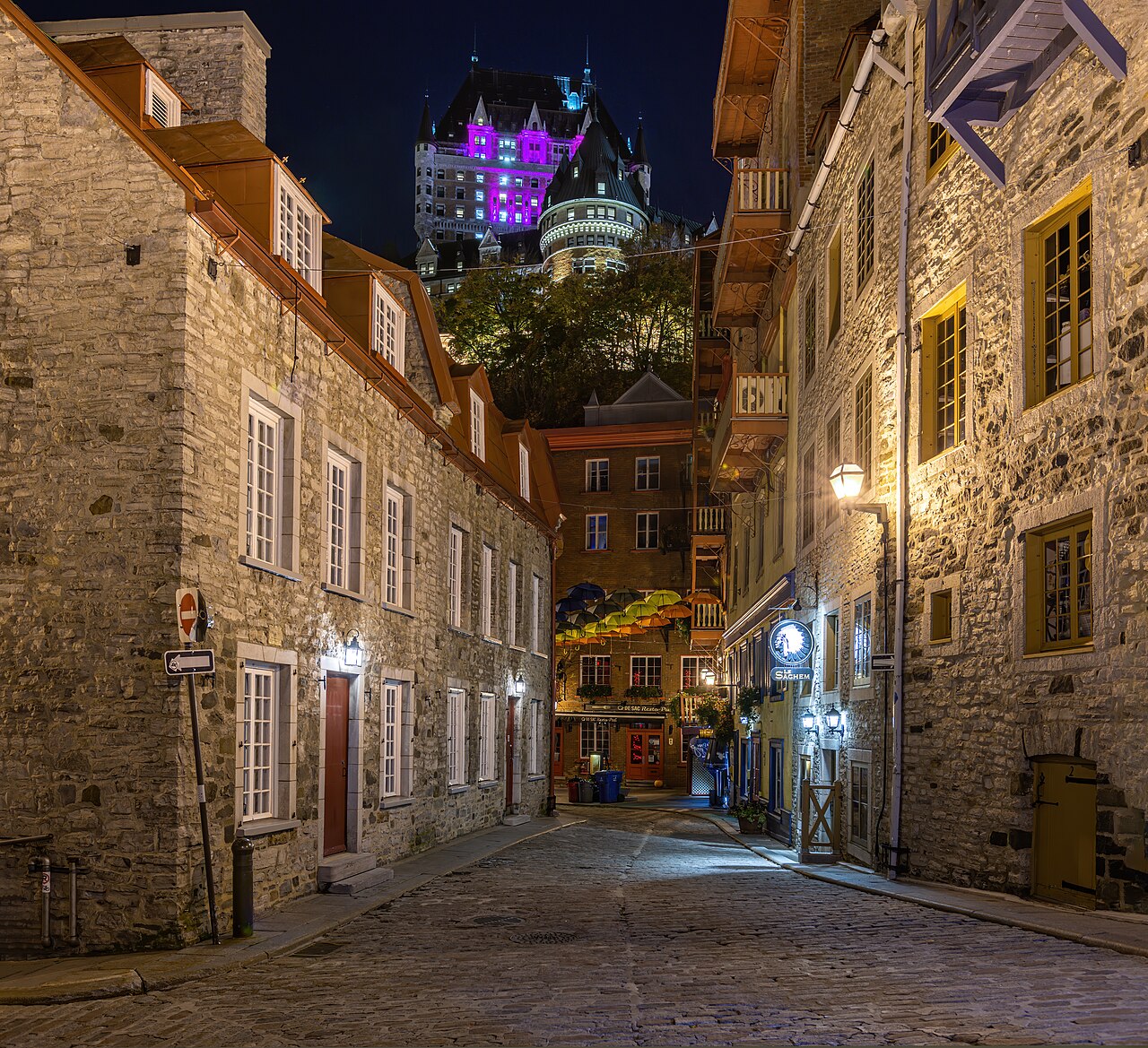
Québec City, a UNESCO World Heritage treasure, provides a compelling case study for urban travel during the shoulder season. The city’s geography—defined by its status as the only fortified city north of Mexico—creates a unique set of logistical challenges and opportunities. According to insights from Destination Québec Cité, the city is highly walkable, but the historical nature of its architecture requires specific considerations for the late-autumn traveler. The steep-sloped streets and cobblestone surfaces of Old Québec demand footwear that is both stable and weather-resistant, as the transition from autumn to early winter often brings precipitation and varied ground conditions.
Effective navigation of the city requires a neighborhood-centric approach rather than a landmark-hopping strategy. Districts such as Saint-Roch, known for its evolution from a working-class hub to a vibrant cultural center, and Montcalm, which serves as a cultural and artistic anchor, offer distinct experiences. To maximize time, travelers should prioritize staying within walking distance of primary historical landmarks to reduce transit friction. For a detailed breakdown of how to structure these urban movements, readers may refer to our previous analysis: Quebec City: A Strategic Plan for Late-Autumn Travel. By treating the city as a series of connected, walkable zones, travelers can minimize backtracking and better appreciate the historical context of the region.
Logistical Checklist for Urban November Travel
- Terrain Assessment: Research the specific walking surfaces of your intended district. Cobblestone and steep inclines are common in historic centers and require specialized footwear.
- Transit Proximity: Evaluate the distance between your accommodation and primary transit hubs or major attractions. In historic cities, transit options may be limited by narrow streets; verify pedestrian accessibility before booking.
- Operating Hours: November is a shoulder season; verify the seasonal operating hours for museums, galleries, and historic sites, as these often shift from summer schedules.
Geothermal Wellness: Logistical Planning in Iceland
In contrast to the urban density of Québec City, Iceland offers a landscape where logistics are dictated by natural conditions and the availability of geothermal resources. Visit Iceland emphasizes that November is a period of transition, characterized by shorter daylight hours and the potential for northern lights viewing, but also by rapidly changing weather windows. The logistical challenge here is not one of urban navigation, but of accessing remote infrastructure while maintaining safety and comfort.
Geothermal wellness—the practice of utilizing mineral-rich, geothermally heated waters—is a cornerstone of Icelandic travel. However, accessing these sites requires careful logistical planning. Travelers must consider the distance between bases, the availability of transport, and the necessity of flexible scheduling. Unlike urban spas, remote geothermal sites may have specific requirements regarding booking, access, and etiquette. For those planning a trip centered on this experience, it is essential to understand the logistical requirements of remote travel. Further guidance on this topic is available in Geothermal Wellness: A Strategic Iceland November Plan. This framework helps travelers evaluate whether a specific site is accessible given the season’s constraints.
Essential Considerations for Remote Geothermal Access
- Weather Windows: In Iceland, weather is not a guarantee. Build buffers into your itinerary to allow for adjustments if road conditions or visibility change rapidly.
- Layering Systems: The climate requires a robust outdoor layering system—base, mid, and outer shells—to handle the volatility of coastal and highland weather.
- Resource Verification: Always confirm the operating status of remote geothermal sites, as these may operate on reduced hours or require reservations during the off-peak season.
The Shoulder-Season Logistical Framework
Whether the destination is an urban historical core or a remote natural landscape, the underlying principle of successful November travel is the same: the shift from a “checklist” mentality to a “contextual” mentality. In Québec City, this means understanding the history of the neighborhoods you traverse; in Iceland, it means understanding the geological and environmental forces that shape your route.
Travelers should avoid the temptation to overbook. Shoulder seasons provide a unique opportunity to engage with a destination on its own terms, but this requires an itinerary that leaves room for the unexpected. By utilizing the official resources from tourism boards and applying a rigorous, research-based approach to planning—such as verifying transit geography and respecting seasonal limitations—travelers can ensure a more meaningful and less stressful experience. The goal is to move through the landscape with purpose, ensuring that the logistics of the trip support the experience rather than detract from it.
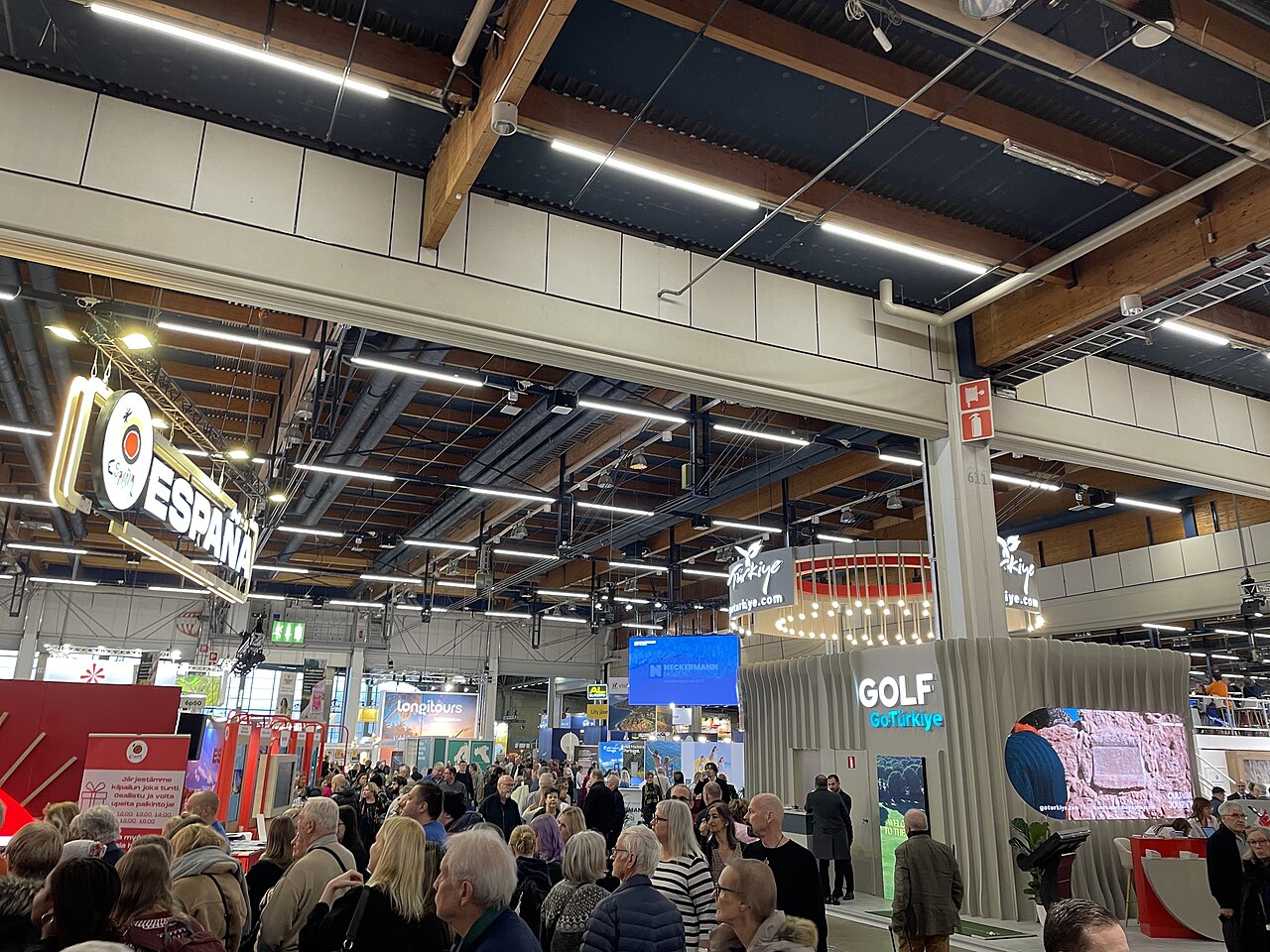
Representative photo illustrating the urban historical escape theme, highlighting the cobblestone streets and architectural density that require careful logistical planning for shoulder-season navigation. Photo: Wilfredor / Wikimedia Commons · CC0. Resized for display. Sources checked October 29, 2026.
Advertisement · From our publishing familyDiscover something new ↗