A traveler can arrive with the right documents and still misread everyday situations: standing in the wrong place on a platform, treating a neighborhood as a photo set or assuming that a familiar restaurant routine applies everywhere. Good etiquette starts with attention. Learn a few local expectations, follow the host’s cues and leave people room to go about their day.
Research the situations you will actually encounter
Before departure, make a short list: your accommodation, public transport, religious sites, restaurants and any guided or community visit. Look for the destination tourism office’s practical advice and the venue’s own rules. A country is not culturally uniform; a beach resort, family home and place of worship may expect very different behavior.
Save a greeting, a thank-you and a polite way to ask permission in the local language. Keep the written address of your accommodation available offline. Translation tools help, but short sentences and patient gestures often work better than repeating a long request more loudly.
Let people leave before you enter
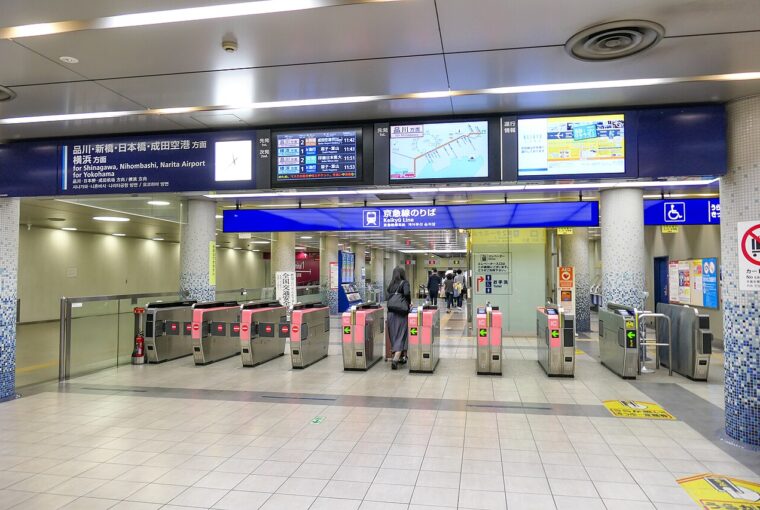
At a train door, elevator or narrow entrance, pause and see how the flow works. Keep bags close, move out of the doorway before checking directions and avoid stopping a group across the pavement. If you need more time or assistance, say so; courtesy does not require concealing a disability or struggling in silence.
On shared transport, keep calls brief and use headphones. Follow signed luggage, seating and food rules. A quiet carriage is different from a lively commuter platform. Watch the specific setting rather than treating one observation as a rule for an entire country.
Ask before making someone the subject
A person working, praying or traveling is not automatically available for a portrait. Ask clearly, accept refusal and do not exchange permission for pressure to buy something. For children, ask the responsible adult as well as respecting the child’s response. A public location can still carry restrictions on photography or commercial use.
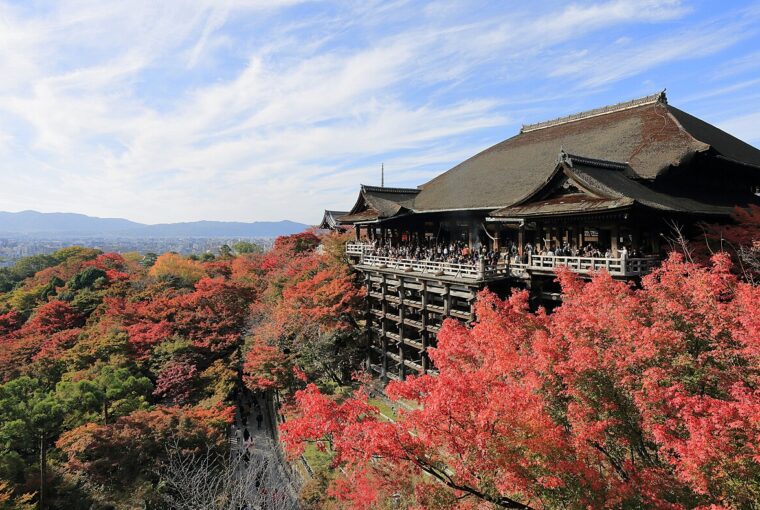
Kyoto’s official guidance asks visitors not to stop, follow or take unauthorized photographs of geiko and maiko, and to respect photo restrictions in parts of Gion, temples and restaurants. That is a useful reminder to check the actual street or venue instead of relying on another traveler’s social-media image.
Treat sacred and residential places as lived spaces
Read entrance notices before crossing a threshold. Carry a layer if a planned visit requires covered clothing, and wear shoes that are practical to remove where requested. Keep ceremonies, entrances and accessible routes clear. If you cannot meet a venue’s entry conditions, choose another experience rather than arguing with staff.
In residential streets, avoid peering into homes, posing in private doorways or moving furniture for a photograph. Early-morning sightseeing can ease crowds but also disturb people if a tour group is noisy. Quieter should describe your behavior as well as the hour.
Check money customs separately
Do not export your home tipping percentage automatically. Japan’s national tourism organization explains that tipping is generally not customary there. Elsewhere, service charges, cover charges and optional tips can have different meanings. Read the bill, ask a neutral question and avoid treating a server’s unfamiliar routine as dishonesty.
At a market, establish whether bargaining is expected before beginning. Agree on the price and what it includes before a service starts. Photographing a maker’s work or a stall may also require permission even when you are buying.
If you get it wrong, recover simply
Stop, apologize briefly and follow the correction. A small mistake rarely improves through a lengthy defense of what is normal at home. If instructions conflict, ask the staff member responsible for the place. Keep a few notes after the first day so the same misunderstanding does not recur.
Before tomorrow’s outing, check three things: what you should wear, where photography is restricted and how arrival or payment works. That modest preparation leaves more attention for the experience itself.
Advertisement · From our publishing familyDiscover something new ↗