Note: This research-based guide was prepared with AI assistance. No visit or hands-on test was conducted. All recommendations are derived from official destination resources and travel planning frameworks.
November is not merely a calendar month for the global traveler; it is an operational state. As the northern hemisphere enters the late-autumn transition, the logistical requirements for a successful trip shift fundamentally. The ease of summer travel—characterized by extended daylight, predictable transit, and spontaneous scheduling—is replaced by a need for rigorous preparedness. To maintain the integrity of your travel experience, you must treat your destination as a set of variables to be managed rather than a passive backdrop. This requires a strategic alignment of your itinerary with two critical factors: the contraction of daylight hours and the physical scale of the terrain.
The Daylight-to-Latitude Calculus
In high-latitude destinations, the most significant variable in your itinerary is not the temperature, but the rapid contraction of daylight. Whether you are exploring the rugged coasts of Scotland or the geothermal landscapes of Iceland, the number of usable hours for outdoor activity shrinks significantly. As detailed in our guide on The November Pivot: A Strategic Approach to Seasonal Travel, travelers who fail to account for this temporal shift often find themselves over-scheduled and under-prepared.
When visiting regions like Iceland in November, your planning must prioritize the unique opportunities the season provides, such as northern lights viewing, while accepting the reality that weather windows are not guarantees. Visit Iceland emphasizes that seasons blend into one another during this time, and the geothermal wellness scene—ranging from luxury spas to remote hot springs—offers a reliable, weather-independent activity structure. Similarly, VisitScotland advises that when planning a Scottish adventure, you should look beyond the destination to embrace the journey. This means accepting that travel times by train, coach, or car may fluctuate due to seasonal weather. The strategic traveler builds buffers into their schedule, ensuring that a delay caused by the elements does not collapse the entire itinerary. As noted in The Case for Shoulder-Season Travel, the value of this period lies in the deliberate pace it forces upon the visitor, provided the traveler is willing to adapt their expectations.
Scaling the Historic City Break: The Québec City Model
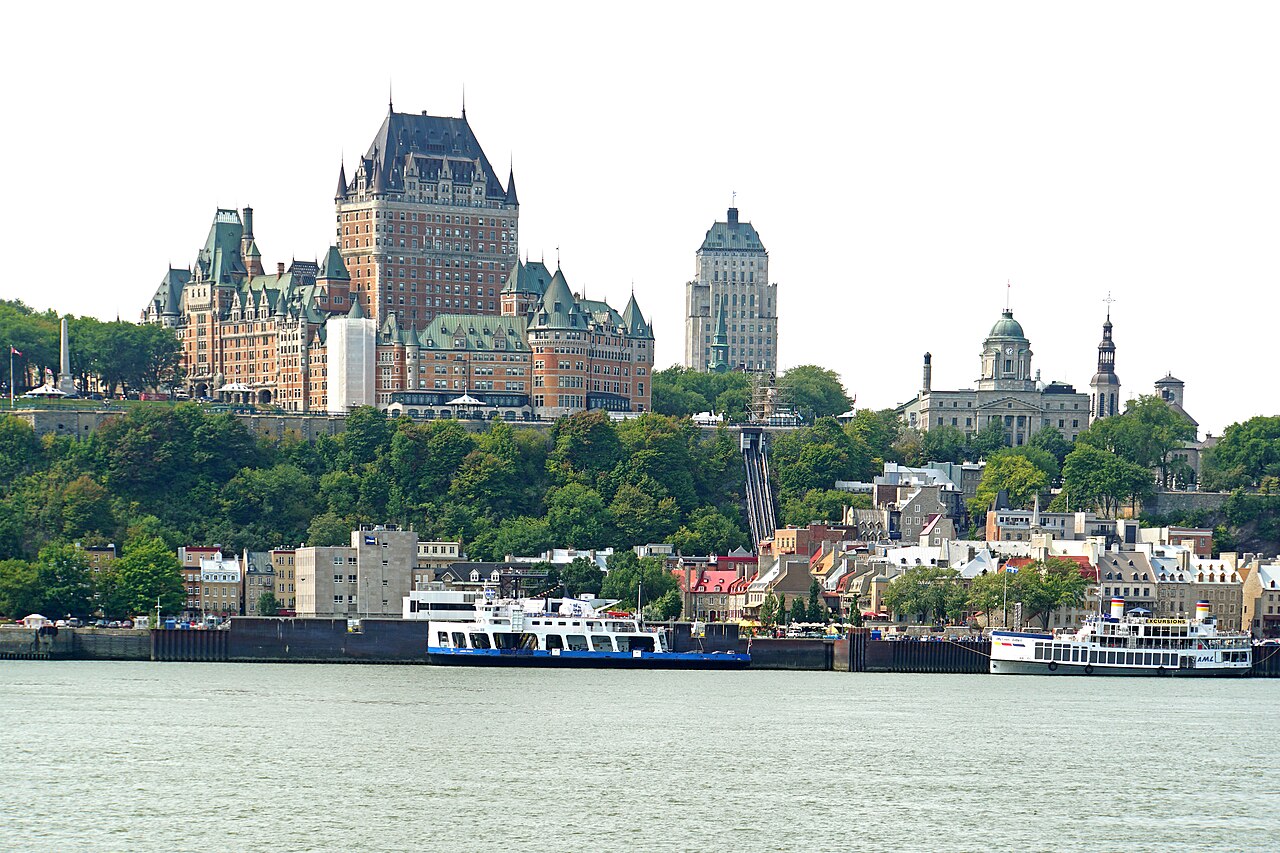
Urban travel in November requires a different kind of logistical rigor. A city like Québec City provides an excellent case study in managing “historic terrain.” As a UNESCO World Heritage treasure and the only fortified city north of Mexico, it is inherently walkable. However, the operational reality of its geography—steep-sloped streets and 400 years of history—demands a proactive approach to mobility.
According to Québec City Tourism, the city is a stand-out destination throughout the year, but the experience changes based on your neighborhood base. The Montcalm neighbourhood, for instance, offers a balance between bourgeois and bohemian sensibilities that appeals to art and culture lovers, while the Saint-Roch neighbourhood provides a more modern, food-focused energy. The logistical mistake many travelers make is assuming that the “walkability” of Old Québec applies uniformly to the surrounding areas or that summer footwear is sufficient for late-autumn cobblestones. To optimize a 48-hour or weeklong stay, you must map your transit by district. If you plan to venture into the “Great Outdoors” of the Jacques-Cartier region, which lies just 20 minutes north of downtown, you are moving from an urban logistics model to a wilderness one. This requires a gear and transport pivot before you depart the city center.
Wilderness Logistics: Respecting the Environmental Baseline
When the destination shifts from urban to wilderness, the logistical pivot becomes one of safety and self-reliance. Alaska, with its millions of acres of diverse wilderness, represents the extreme end of this spectrum. The Alaska National Park Service explicitly states that safety topics must be the foundation of any trip, regardless of whether you are a first-time visitor or a seasoned explorer. The enormity of Alaska’s landscape, which includes North America’s tallest peak and the nation’s largest glacial system, is not a playground but a complex, managed environment.
In November, the “start your adventure” phase of planning must include a rigorous safety audit. This means understanding that the wilderness does not offer the same infrastructure as a city. If your itinerary involves remote areas, your backup plan must be operational, not theoretical. This includes having offline access to maps, clear communication protocols, and a defined turnaround time for all outdoor activities. You cannot approach a national park with the same spontaneity you might apply to a city stroll. The goal in these environments is not to maximize the number of sights seen, but to ensure that your interaction with the landscape remains within the parameters of responsible, safe tourism.
November Operational Checklist
- Daylight Audit: Calculate the exact sunrise and sunset times for your specific dates. Schedule high-energy outdoor activities for peak light hours; reserve museum visits or city walks for the edges of the day.
- Transit Resilience: In high-latitude regions, assume that scenic routes may be subject to closure or delay. Always identify at least one alternative route for ground transport.
- Gear Synchronization: Evaluate your footwear for the specific terrain of your destination. Cobblestone city streets require different tread and ankle support than the frozen or muddy trails of a national park.
- Accessibility Audit: If traveling with mobility equipment, verify the specific constraints of historic districts. Do not assume that “walkable” means “accessible” in cities with centuries of architectural history.
- Digital Backup: Ensure that all critical travel documents, including medical information and emergency contacts, are available offline. Relying on cloud-based storage in remote or high-latitude regions is a logistical failure waiting to happen.
By treating your November travel as an operational project rather than a passive vacation, you protect the integrity of your trip. Whether you are navigating the historic, fortified streets of Old Québec or the vast landscapes of Alaska, the goal is to create a framework that allows you to experience the destination safely, regardless of the seasonal shift.
Representative photo. The historic architecture and steep geography of Québec City illustrate the need for strategic mobility planning when navigating complex, historic urban terrain. Photo: Dennis G. Jarvis / Wikimedia Commons · CC BY-SA 2.0. Resized for display. Sources checked November 9, 2026.
Advertisement · From our publishing familyDiscover something new ↗