Note: This research-based guide was prepared with AI assistance. No visit or hands-on test was conducted.
November represents a distinct operational pivot for the global traveler. Whether one is navigating the peak-foliage crowds of an ancient capital or the shifting light conditions of a subarctic island, the month demands a specific logistical framework. By analyzing the current data from Kyoto Travel and Visit Iceland, we can construct a strategic approach to travel that prioritizes local etiquette and environmental conditions over simple bucket-list ticking. As discussed in our previous analysis, The November Pivot: A Strategic Approach to Seasonal Travel, the success of a trip relies on matching one’s itinerary to the destination’s current operational reality.
The Kyoto Congestion Strategy
In Kyoto, November is defined by the peak of autumn colors, which necessitates a strict adherence to congestion management. The Kyoto City Tourism Association provides tools that are essential for any traveler aiming to avoid the strain of over-tourism. The Kyoto Travel Congestion Forecast is not merely a suggestion but a primary planning utility. It offers real-time data and live camera feeds that allow travelers to pivot their daily itinerary based on actual crowd levels rather than static guidebook recommendations.
Beyond digital tools, responsible travel is the core operational requirement in Kyoto. The city’s guidelines are clear: tourism must respect the daily lives of residents. This includes:
- Respecting Private Spaces: In districts like Gion, photography is prohibited in many private alleys. Do not stop, touch, or follow geiko and maiko.
- Managing Physical Presence: Avoid blocking public thoroughfares while photographing foliage.
- Waste Management: Carry a personal trash bag; public garbage cans are limited.
For those seeking a more considered experience, the city recommends exploring “Hidden Gems” such as the Keihoku, Ohara, and Yamashina areas. These locations offer a respite from the main tourist corridors, allowing for a more authentic engagement with local history and nature, as detailed in Navigating Late-Autumn Travel: Logistics and Ethics.
The Iceland Winter Transition
Conversely, travel to Iceland in November requires a pivot toward resilience against unpredictable weather and diminishing daylight. The operational challenge here is not congestion, but environmental adaptation. According to official guidelines, the primary planning decision for November is focused on safety and preparedness. This involves understanding that weather windows are not guarantees; itineraries must remain flexible.
A strategic November itinerary in Iceland should prioritize geothermal wellness as a structural anchor for the trip. The country features 14 unique wellness spots that utilize geothermal energy. Integrating these into a schedule provides a restorative buffer against the harsh outdoor conditions. When planning, travelers should categorize their time into:
- Daylight Activities: Focus on outdoor exploration during the limited hours of natural light, prioritizing sites accessible by safe, maintained roads.
- Evening/Indoor Activities: Utilize geothermal pools or cultural sites during the dark hours, ensuring that travel between locations does not occur during peak storm cycles.
Packing for this environment is a strategic decision in itself. Rather than “squishing a closet” into a bag, the focus should be on layering systems that accommodate rapid weather changes, a necessity for any traveler heading into the North Atlantic winter.
Shared Logistics: The Operational Audit
Whether choosing the dense cultural landscape of Kyoto or the vast, geothermal-focused terrain of Iceland, the operational audit remains the same. Both destinations require a proactive approach to planning that goes beyond the reservation.
| Logistical Category | Kyoto Strategy (November) | Iceland Strategy (November) |
|---|---|---|
| Primary Constraint | Congestion & Community Impact | Weather & Daylight |
| Planning Tool | Congestion Forecast & Live Cameras | Weather Reports & Road Safety Data |
| Key Etiquette | Strict Gion/Shrine Rules | Sustainable Leave-No-Trace |
| Itinerary Focus | Hidden Gems (e.g., Ohara, Yamashina) | Geothermal Wellness & Base-Staying |
To execute a successful trip, travelers must treat the “arrival and departure” days as active components of the itinerary, particularly when managing jet lag or transit-related fatigue. In Kyoto, this means leveraging the city’s efficient subway and train network immediately to reduce the need for taxis, which may be subject to congestion. In Iceland, this means confirming transport and road conditions before leaving the airport, as weather-related delays are a standard operational variable in November.
Ultimately, the most successful travelers this month are those who view their itinerary as a living document. By utilizing the specific congestion tools in Kyoto or the geothermal wellness framework in Iceland, one can ensure that the trip supports both personal well-being and the destination’s long-term sustainability.
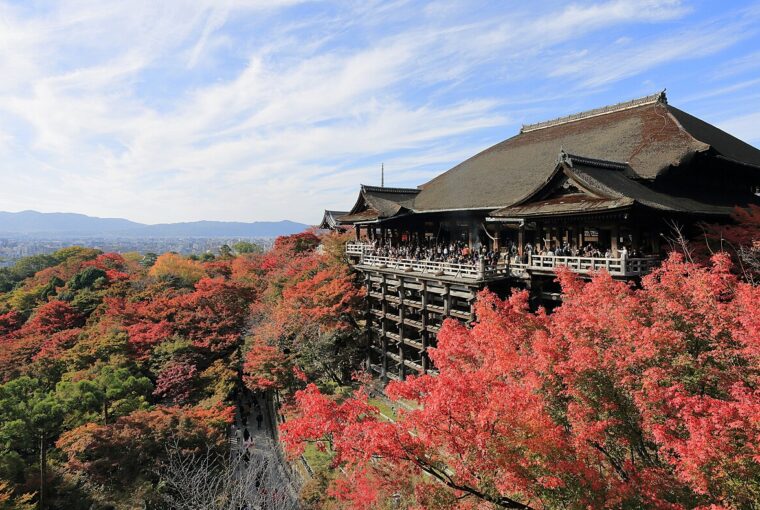
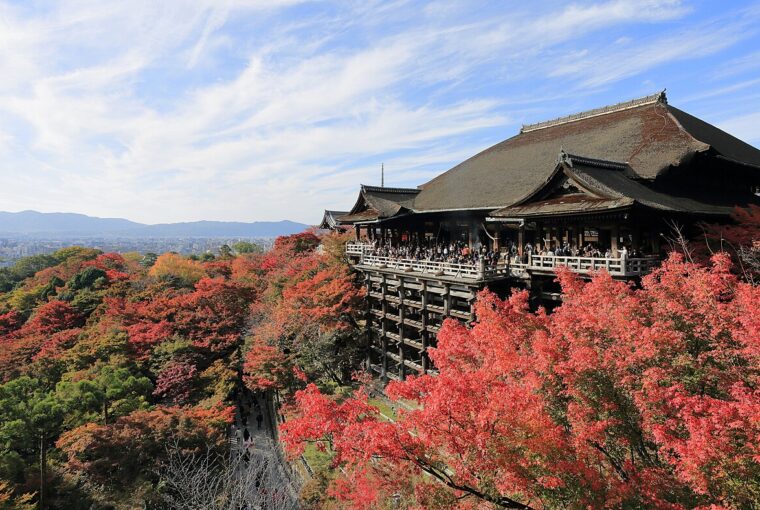
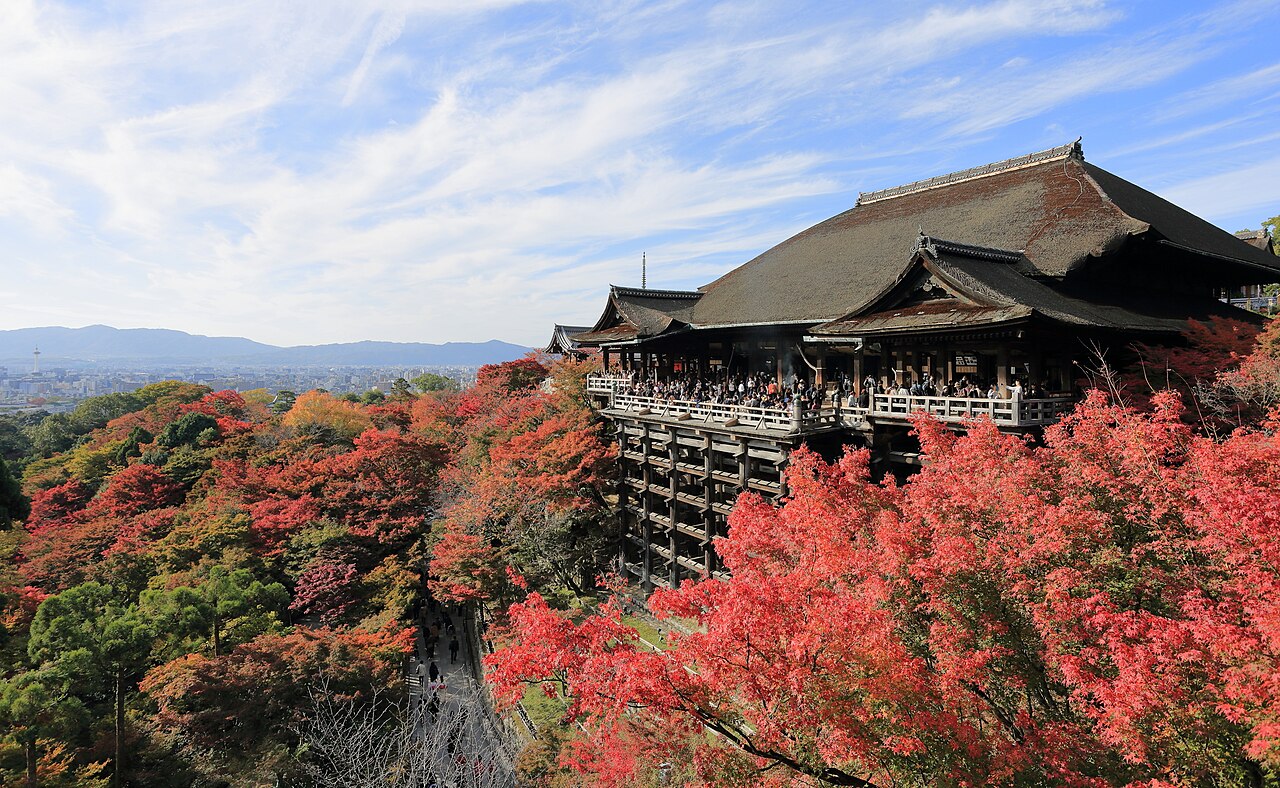
Representative photo illustrating the seasonal foliage and architectural context of Kyoto, which is a focal point of the article’s congestion management analysis. Photo: Martin Falbisoner / Wikimedia Commons · CC BY-SA 4.0. Resized for display. Sources checked November 2, 2026.
Advertisement · From our publishing familyDiscover something new ↗