Note: This is a research-based guide prepared with AI assistance; no visit or hands-on test was conducted.
For the sophisticated traveler, the journey from an airport terminal to a cruise ship gangway represents two distinct, often conflicting, regulatory environments. As we move through the late-autumn season, those planning voyages must treat the transition between these two domains as a critical logistical project. The challenge lies in recognizing that while your cruise line may offer a curated, relaxed vacation experience, the transit required to reach the ship remains governed by strict federal and international security protocols. By auditing your pre-departure preparations, you can mitigate the friction that often arises when these two operational domains collide.
The Documentation Pivot: Aligning Federal and Maritime Standards
The most significant logistical pivot occurs in the documentation required for entry. Travelers often conflate the requirements for international air travel with those for maritime entry, leading to avoidable anxiety at the port. According to U.S. Customs and Border Protection (CBP), while air travel necessitates a valid passport, U.S. citizens on “closed-loop” cruises—voyages that begin and end at the same U.S. port—may enter the United States with a birth certificate and a government-issued photo ID. However, this domestic flexibility does not supersede the requirements of the specific countries you intend to visit. It is imperative to verify if your specific ports of call require a passport regardless of your cruise itinerary. For a deeper analysis of these requirements, see our Cruising Beyond Borders: A Strategic Document Checklist.
For those traveling by air to reach their departure port, the Western Hemisphere Travel Initiative (WHTI) remains the standard. U.S. citizens should ensure their passport or alternative document, such as an Enhanced Driver’s License (EDL) where applicable, is not only valid but easily accessible. Relying on digital copies or expecting exceptions at the border is a high-risk strategy that often results in significant delays. The goal, as outlined by CBP, is to strengthen border security while facilitating entry; your logistical plan should support this by keeping physical, compliant documents in a dedicated, easily accessible transit folder.
Security Continuity: Managing Liquids and Medical Gear
The security landscape shifts significantly between the airport checkpoint and the cruise terminal. At the airport, travelers must adhere to the 3.4-ounce (100 mL) rule for all liquids, aerosols, and gels in carry-on baggage. This includes items that might be intended for immediate use on the ship, such as specialized skincare or certain food items. If a product can be spilled, spread, sprayed, pumped, or poured and exceeds 3.4 ounces, it must be placed in checked baggage, as noted in current Transportation Security Administration (TSA) guidelines. Failing to audit your carry-on for these items can create unnecessary delays at the checkpoint.
For travelers with medical needs, the transition requires proactive communication. TSA advises that medically necessary liquids, including those over 3.4 ounces, are permitted, but they must be declared to the officer at the start of the screening process. Furthermore, those traveling with insulin pumps, glucose monitors, or other medical devices should inform officers of the device’s location before screening begins. Utilizing a TSA notification card can assist in communicating these conditions discreetly. For comprehensive guidance on these regulations, refer to our guide on Navigating Air and Cruise Transit Regulations.
The Onboard Arrival Architecture: Digital Self-Service
Once the logistical hurdles of transit are cleared, the final phase of the pre-departure audit involves managing the shipboard account and itinerary. Modern cruise lines, such as Celebrity and Royal Caribbean, rely heavily on centralized digital accounts for all onboard transactions. Your SeaPass card, which typically serves as your room key and charge card, is the primary operational tool for your voyage. The shipboard account is linked to the credit card you provide during the booking process, and it is often authorized for large amounts to cover potential onboard spending.
To reduce friction upon embarkation, travelers should complete all online check-in procedures and financial setups before arriving at the terminal. This includes:
- Account Verification: Ensure the credit card linked to your booking is active and has sufficient limits, as the cruise line may authorize large amounts during the voyage.
- Experience Planning: Pre-book beverage packages, specialty dining, and shore excursions through the cruise line’s online portal. This not only secures availability but also simplifies the onboard experience, allowing you to bypass the Guest Relations desk upon arrival.
- Luggage Management: Use the cruise line’s official luggage tags, which are often provided in the pre-cruise documentation, to ensure your bags reach your stateroom efficiently.
By treating the pre-departure phase as a distinct logistical project rather than an extension of the vacation, travelers can ensure that the transition from home to the high seas is defined by efficiency rather than administrative error. The key is to recognize that the airport and the terminal are not the same environment; adjusting your packing and documentation habits to suit the specific requirements of each will yield a smoother journey.
Pre-Departure Transit Audit Checklist
| Category | Action Item |
|---|---|
| Documents | Verify WHTI requirements for air travel vs. cruise port entry. |
| Liquids | Audit carry-on for items over 3.4 oz; move to checked bags. |
| Medical | Prepare notification cards for devices; declare liquids to TSA. |
| Digital | Complete online check-in and financial authorization. |
| Arrival | Attach cruise-provided luggage tags before reaching the terminal. |
Sources
- Western Hemisphere Travel Initiative | U.S. Customs and Border Protection (Checked: 2026-11-07)
- Travel Tips | Transportation Security Administration (Checked: 2026-11-07)
- Celebrity Cruise FAQs: Find Answers Online | Celebrity Cruises (Checked: 2026-11-07)
- Answers for Your Vacation | Royal Caribbean Cruises (Checked: 2026-11-07)
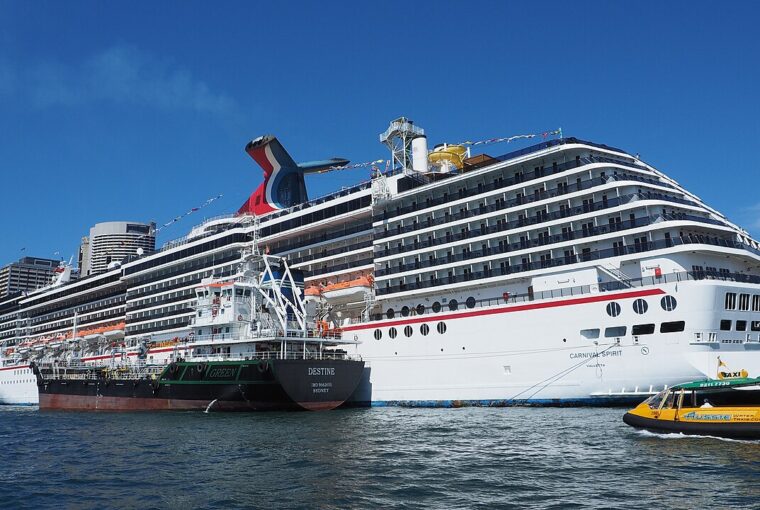
Representative photo. A modern cruise terminal facility illustrates the critical transition point where travelers move from land-based transit to maritime security environments. Photo: IketaniDaisei / Wikimedia Commons · CC BY-SA 4.0. Resized for display. Sources checked November 7, 2026.
Advertisement · From our publishing familyDiscover something new ↗