Note: This is a research-based guide prepared with AI assistance; no visit or hands-on test was conducted.
As the late-autumn season settles in, many travelers are turning their attention to upcoming winter and spring cruise itineraries. While the allure of a seamless voyage is strong, the administrative reality of international maritime travel requires a proactive approach. A cruise is rarely a single-jurisdiction experience, and assuming that your home country’s entry requirements apply to every port of call is a common oversight that can lead to significant disruption.
Understanding the “Closed-Loop” Distinction
Many travelers rely on the concept of a “closed-loop” cruise, which refers to a voyage that begins and ends at the same U.S. port. According to U.S. Customs and Border Protection, U.S. citizens on these specific itineraries are permitted to enter the United States using a birth certificate and a government-issued photo ID. This regulation is designed to facilitate travel, but it is frequently misunderstood as a universal rule for the entire trip.
The critical distinction is that while the United States may allow your return via these documents, the foreign countries you visit may have stricter requirements. A cruise line might allow you to board the ship, but you could be denied entry at a specific port of call if you lack a passport. Before finalizing your booking, it is essential to verify if your itinerary includes countries that demand a passport for entry regardless of your cruise status. Relying on the “closed-loop” exception for the U.S. return does not grant you immunity from the entry laws of the nations you are visiting.
Navigating International Entry Requirements
When planning your route, you must research the entry requirements for every destination on your itinerary. This process is more complex than a standard flight-based trip because you are entering multiple jurisdictions in a compressed timeframe. As noted in our guide to International Connections: Check Entry Documents Before You Book, the burden of verifying these requirements rests with the traveler.
Cruise lines provide resources, such as the Royal Caribbean FAQ or Celebrity Cruise FAQs, which serve as starting points for understanding boarding requirements. However, these pages often direct you to check with government authorities for the most accurate and up-to-date visa and passport information. Do not assume that the cruise line’s “recommended” documents are the only ones you will need for the duration of the voyage.
The Logistics of Onboard Identification
Once you have successfully embarked, your physical passport is often collected or stored securely, and you are issued a ship-specific identification card, such as a SeaPass. It is important to understand that this card is an internal tool for charging purchases and accessing your stateroom; it is not a government-issued travel document. While you may use it to move between the ship and the pier, it will not suffice for immigration checks in foreign ports.
Effective cruise planning requires you to treat your document organization with the same rigor as your itinerary planning. For those still in the early stages of selecting their voyage, consider how your choice of room might impact your daily flow, as discussed in How to Choose a Cruise Cabin by Daily Routine. A well-organized cabin makes it easier to keep your essential travel documents in a designated, secure location rather than buried in luggage.
Pre-Embarkation Document Audit Checklist
Before you finalize your booking or head to the airport, use this checklist to ensure your documentation is compliant for the entire journey:
- Verify the Port List: List every country your ship will visit. Do not rely solely on the departure port.
- Check Embassy Requirements: Visit the official government websites for each port of call. Look specifically for maritime arrival requirements, which can differ from airport arrival rules.
- Assess Document Expiration: Ensure your passport has at least six months of validity remaining beyond your planned return date, as many countries enforce this strictly.
- Review CBP Guidelines: Confirm your specific cruise type against the Western Hemisphere Travel Initiative guidelines if you are relying on a birth certificate.
- Prepare for Airport Security: If you are flying to your departure port, remember that TSA regulations for carry-on items, such as liquids over 3.4 ounces or medications, apply to your flight. Check TSA Travel Tips to ensure your pre-cruise travel is as smooth as your time on the ship.
- Create Digital Backups: Scan your passport and any required visas, saving them in a secure, encrypted offline location on your mobile device.
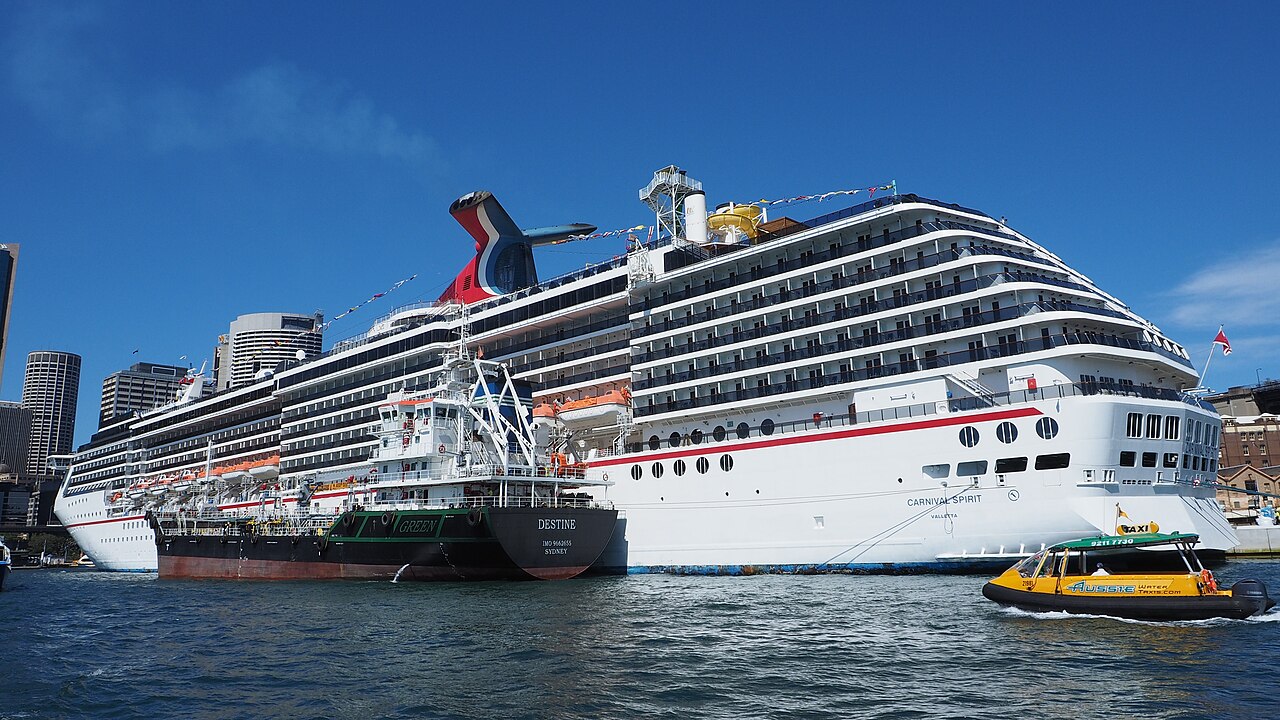
Representative photo; the image of a cruise ship at a terminal highlights the international nature of maritime travel and the importance of having proper documentation before boarding. Photo: Nick-D / Wikimedia Commons · CC BY-SA 4.0. Resized for display. Sources checked October 23, 2026.