Note: This is a research-based guide prepared with AI assistance and no visit or hands-on test was conducted.
November represents a critical operational pivot in the global travel calendar. As the Northern Hemisphere transitions from the relative stability of autumn into the volatility of early winter, the logistical requirements for a successful trip evolve significantly. Travelers must balance the heightened security protocols associated with high-traffic holiday periods with the unpredictable realities of winter weather. This framework provides a structured approach to managing these variables, ensuring that your travel remains resilient regardless of the destination.
The Security and Transit Audit: A Baseline for Predictability
The foundation of a successful November journey lies in proactive preparation at the airport, where operational efficiency is often tested by seasonal volumes. According to the Transportation Security Administration (TSA), checked on 2026-11-07, the most effective way to streamline the screening process is to start with an empty bag. By beginning with a clean slate, travelers are less likely to inadvertently carry prohibited items through the checkpoint, which is a common cause of delays during the busy end-of-year season. The TSA emphasizes that planning ahead is essential, particularly regarding the 3.4-ounce rule for liquids, aerosols, and gels. If an item exceeds this limit, it must be placed in checked baggage. This rule extends to items such as sauces, jams, and preserves, which are frequently packed as seasonal gifts during the autumn months. Furthermore, for those traveling with medical supplies, the TSA advises that while you are not required to present medication unless it is in liquid form, notifying officers about medical devices—such as insulin pumps or glucose monitors—prior to screening can significantly reduce potential delays. For a deeper analysis of managing these transitions, see our previous coverage in Mastering the November Seasonal Pivot: A Transit and Safety Guide.
Environmental Risk Management: Distinguishing Watches from Warnings
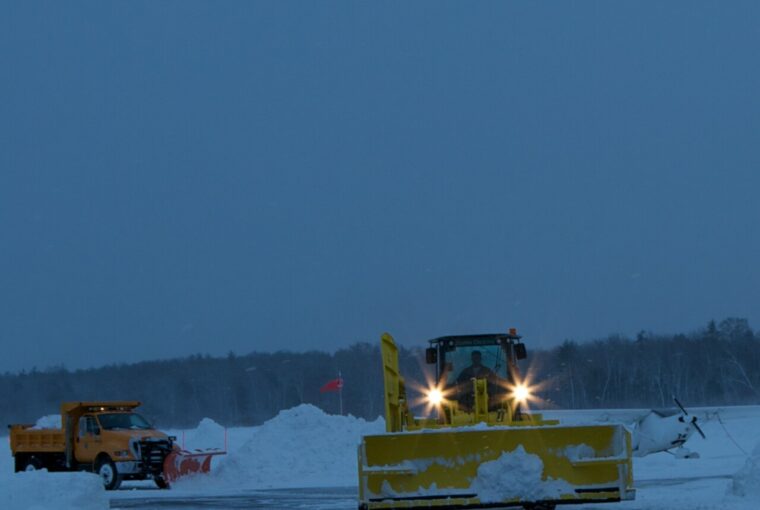
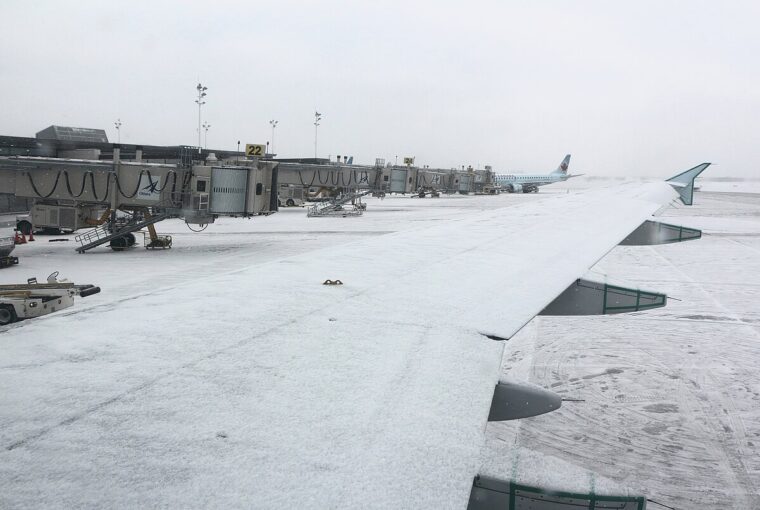
As November progresses, the risk of winter weather events increases, requiring travelers to shift their planning from a standard itinerary to a contingency-based model. Data from Ready.gov, checked on 2026-11-07, highlights the importance of understanding the precise distinction between weather alerts. A Winter Storm Watch indicates the possibility of significant winter weather, usually issued 12 to 48 hours in advance, while a Winter Storm Warning signifies that hazardous conditions are imminent or occurring. Travelers should monitor these alerts closely, as they directly impact transit infrastructure and safety. For those planning road trips, the necessity of an emergency kit cannot be overstated. Ready.gov recommends including jumper cables, sand for traction, warm clothing, blankets, and non-perishable snacks. Maintaining a full tank of gas is also a critical safety measure, as idling in a stalled vehicle during a winter event can quickly deplete fuel reserves. When evaluating your travel plans, consider the broader ethical and logistical implications of traveling during these transitional periods, as discussed in our guide Navigating Late-Autumn Travel: Logistics and Ethics.
Destination Resilience and Seasonal Adaptation
Destinations that are popular in the summer months often require a completely different strategy in November. Information provided by Visit Iceland, checked on 2026-11-07, illustrates this shift perfectly. In regions like Iceland, the weather changes rapidly, and seasons often blend, making accurate packing and itinerary planning essential. The official guide notes that travelers should be prepared for quick shifts in conditions, which necessitates a flexible approach to sightseeing. Whether visiting geothermal areas or exploring urban centers, the logistical approach must prioritize safety and comfort. For example, when visiting geothermal spas, understanding the local etiquette and the reality of the climate is crucial for a restorative experience. When planning for such environments, ensure your itinerary includes buffer time for transit, as winter conditions can significantly impact travel times between regions. By aligning your expectations with the seasonal reality of your destination, you can maintain a high-quality travel experience while respecting the environmental and operational constraints of the region.
Operational Checklist for November Travel
- Security: Clear your carry-on of all items before packing to ensure no prohibited liquids or tools remain.
- Documentation: Keep critical travel documents, including identification and medical cards, accessible and in physical or offline digital formats.
- Weather: Review the local forecast 48 hours prior to departure and identify alternate routes or activities if a Winter Storm Watch is issued.
- Equipment: If driving, ensure your vehicle is equipped for winter conditions; if flying, confirm boarding and baggage cutoff times with your airline.
- Flexibility: Build at least one “open day” into your weeklong itinerary to accommodate potential weather-related delays or transit adjustments.
- Health: If traveling with medication, ensure it is in your carry-on for immediate access and notify TSA officers of any medical devices attached to your body before screening begins.
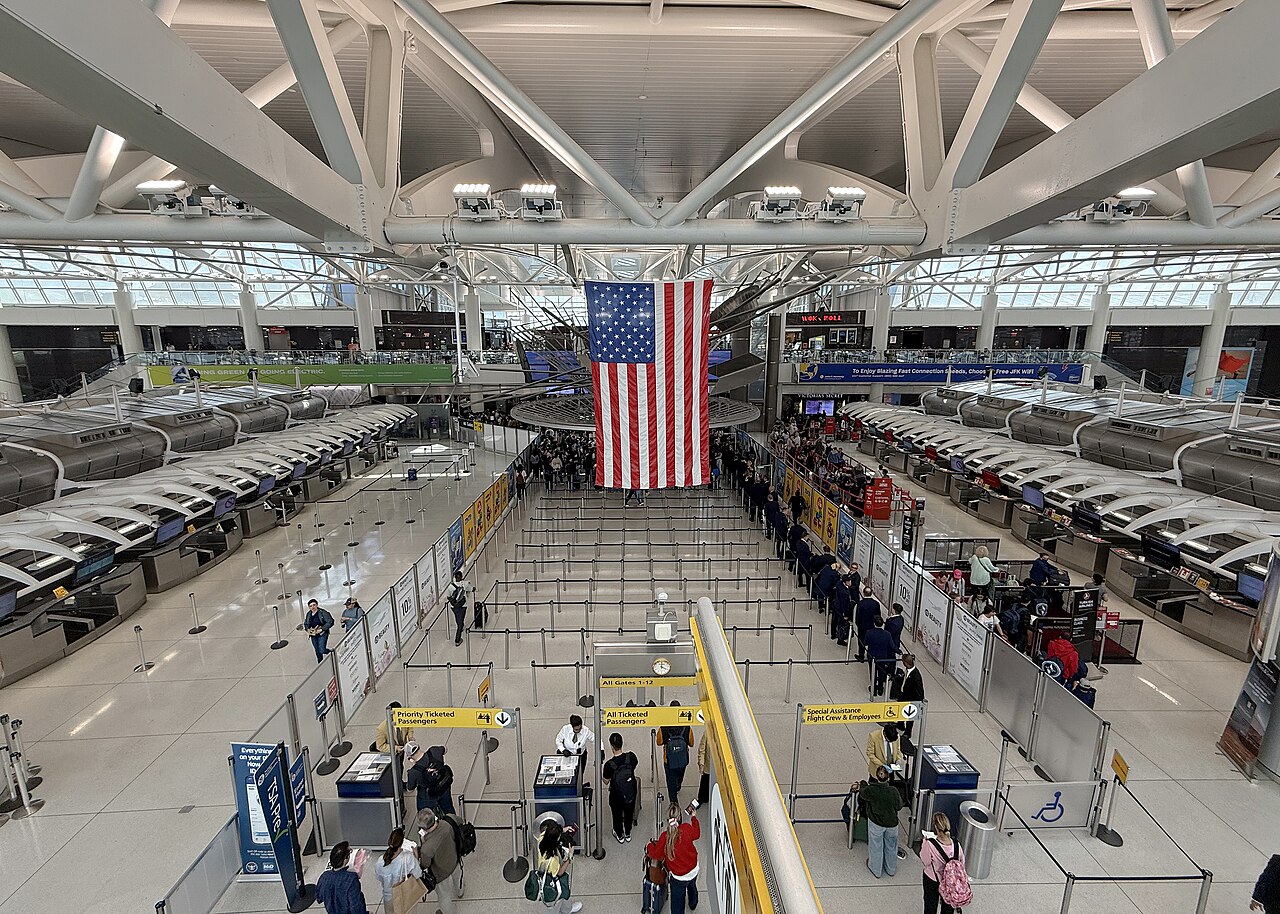
Representative photo showing the airport environment, reflecting the article’s focus on proactive security and transit management during high-traffic travel seasons. Photo: Quintin Soloviev / Wikimedia Commons · CC BY 4.0. Resized for display. Sources checked November 6, 2026.
Advertisement · From our publishing familyDiscover something new ↗