Note: This is a research-based guide prepared with AI assistance. No visit or hands-on test was conducted for this article.
The Logistics of the Seasonal Pivot
As the calendar advances through November, the travel landscape undergoes a fundamental shift. The shoulder season—often characterized by moderate temperatures and flexible planning—rapidly yields to winter, necessitating a more rigorous approach to operational logistics. For the modern traveler, this transition is not merely about changing one’s wardrobe; it is about recalibrating the entire approach to environmental volatility and transit reliability. According to the National Weather Service, winter storms can bring snow, sleet, and freezing rain across the entire United States, with even major southern cities susceptible to paralysis. When planning travel for late autumn and early winter, the primary risk factor shifts from simple congestion to environmental unpredictability, requiring a proactive safety framework that prioritizes resilience over convenience.
This pivot requires a shift in mindset. While shoulder-season travel often allows for spontaneous itinerary adjustments, winter travel demands that you treat weather windows as finite and non-guaranteed. As discussed in our Mastering the Winter Transition: A Strategic Travel Framework, the key to successful winter travel is building a robust, redundant itinerary that accounts for potential delays, transit closures, and the necessity of recovery time.
Refining Your Airport and Transit Strategy
The transition to winter operations is perhaps most visible at the airport. As passenger volumes fluctuate and weather disruptions become more common, the efficiency of your transit day becomes critical. The Transportation Security Administration (TSA) emphasizes that planning ahead is the most effective way to mitigate stress during this period. When traveling during the late-autumn and winter months, your packing list must evolve to account for both your destination’s climate and the specific requirements of transit-day security.
For instance, travelers often overlook that winter gear and holiday gifts have specific security implications. If you are traveling with gifts, the TSA recommends using gift bags or boxes with removable lids rather than fully wrapped presents, as officers may need to inspect the contents. Furthermore, if you are bringing items like snow globes, be aware that these are classified as liquids and must be placed in checked baggage if they exceed 3.4 ounces. For those navigating these complexities, our guide on Navigating Late-Autumn Transit and Seasonal Journeys offers a detailed look at how to structure your transit day to minimize these friction points.
When packing medication, remember that while you do not need to present it unless it is in liquid form, you should always keep it in your carry-on for immediate access. If you are traveling with medical devices, inform the TSA officer prior to the screening process. By starting with an empty bag and ensuring all compartments are free of prohibited items, you reduce the likelihood of delays, which are particularly punishing during the shorter, colder days of late November.
Environmental Resilience and Safety Protocols
Beyond the airport, your personal safety framework must be fortified for the winter environment. Ready.gov notes that winter storms can materialize with little notice, potentially cutting off power, heat, and communication, and creating significant hazards on roadways. If your travel involves road trips or remote stays, you must be prepared for the possibility of being stranded.
A resilient winter travel plan includes a vehicle emergency kit. If you are renting a vehicle or driving your own, ensure it is equipped with jumper cables, sand or traction aids, a flashlight, warm clothes, blankets, and non-perishable snacks. Furthermore, keep a full tank of gas to ensure your vehicle can provide heat if you are stuck. If you are staying in a remote lodge or rental property, familiarize yourself with the facility’s power backup systems. If you need to use a generator, follow strict safety protocols: keep them at least 20 feet away from windows, doors, and attached garages to prevent carbon monoxide poisoning, which is a colorless, odorless, and lethal gas.
Building a Winter Readiness Checklist
To maintain operational continuity throughout the winter, consider the following checklist as a baseline for your trip planning. This audit should be conducted at least 72 hours before departure:
- Monitor Local Alerts: Sign up for community warning systems and utilize the National Oceanic and Atmospheric Administration (NOAA) Weather Radio for real-time updates. Do not rely solely on national forecasts, as local terrain significantly impacts winter storm severity.
- Verify Accessibility: If you are traveling with mobility equipment, verify your arrival and departure logistics well in advance. Winter conditions—such as uncleared walkways or icy transit hubs—can complicate even the most accessible routes.
- Respect the Elements: If a winter storm warning is issued, do not attempt to travel. A Winter Storm Warning is issued when hazardous conditions are imminent or occurring; find shelter immediately and stay off the roads.
- Manage Energy and Heat: If you are traveling to colder climates, such as Iceland, where geothermal wellness is a primary draw, remember that the weather changes quickly and seasons often blend. As the official guide to Iceland suggests, pack layers and maintain a flexible schedule, as the landscape itself dictates the pace of your journey.
- Audit Your Documents: Keep critical travel documents available offline. Digital copies are useful, but paper backups or locally saved files ensure you have access to your itinerary, insurance, and identification even if power or communication services are interrupted.
By shifting from a mindset of expectation to one of preparation, you can navigate the transition from late autumn to winter with greater confidence. The goal is not to avoid the season, but to engage with it through a framework that prioritizes safety, logistics, and realistic expectations.
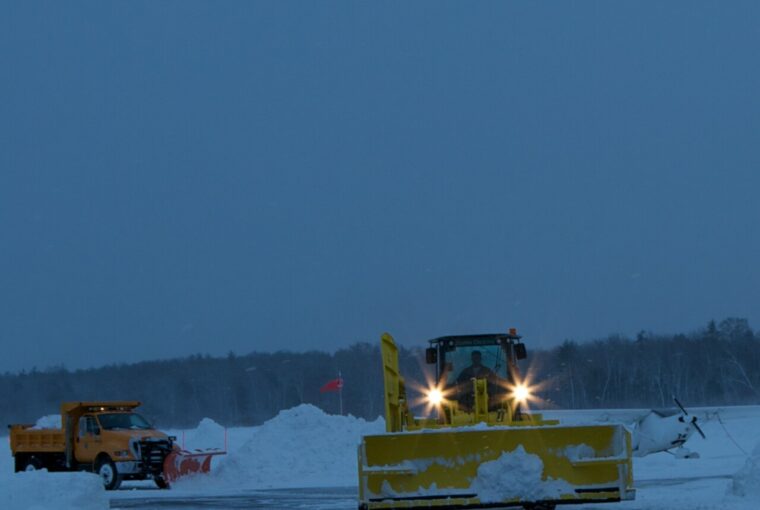
Representative photo. This image illustrates the reality of winter road travel, highlighting the need for preparation and situational awareness when navigating snowy transit routes. Photo: Ria.photocatcher / Wikimedia Commons · CC BY-SA 4.0. Resized for display. Sources checked November 3, 2026.
Advertisement · From our publishing familyDiscover something new ↗