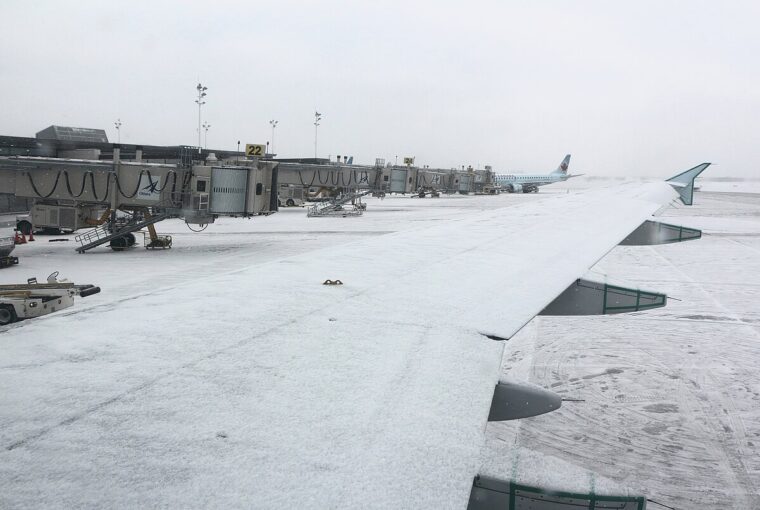
The Operational Reality of Winter Weather
As the calendar turns to November, the travel landscape undergoes a fundamental shift. This is not merely a change in temperature; it is an operational pivot that requires travelers to re-evaluate their logistical approach. According to the National Weather Service, winter storms are not confined to northern latitudes. Major transit hubs in southern regions, including areas as far south as Dallas and Atlanta, have historically faced paralysis from snow and ice. The primary logistical challenge for the November traveler is the unpredictability of these weather patterns, which can disrupt even the most meticulously planned itineraries.
To build a resilient travel plan, you must understand the difference between a winter storm watch and a warning. As noted by Ready.gov, a winter storm watch alerts the public to the possibility of severe conditions 12 to 48 hours before an event. A warning, conversely, is issued when hazardous conditions are imminent or occurring, typically 12 to 24 hours in advance. For the traveler, this 12-to-48-hour window is your primary decision-making period. Rather than hoping for clear skies, use this timeframe to assess the necessity of your trip or to secure alternative arrangements. If you are driving, ensure your vehicle is equipped for the transition: carry jumper cables, sand, blankets, and non-perishable snacks, and maintain a full tank of gas to prevent fuel line freezing and ensure you have heat if trapped.
Navigating the Airport Transition
Airport logistics in November demand a higher level of preparation, as holiday volume begins to intersect with the increased complexity of winter operations. The Transportation Security Administration emphasizes that planning ahead is the most effective way to mitigate stress at the checkpoint. This is particularly relevant when navigating the transition between autumn and winter gear, which often involves bulkier items and different packing requirements.
When packing for a November trip, be mindful of the liquid rules. All liquids, aerosols, and gels in carry-on bags must be 3.4 ounces or less. If you are traveling with gifts, avoid wrapping them before you reach your destination. TSA officers may need to inspect the contents, and gift bags or boxes with removable lids are far easier to manage than fully wrapped presents. If you are traveling with medical supplies, notify officers at the start of the screening process. You are permitted to carry medically necessary liquids exceeding 3.4 ounces, but they will be subject to additional screening. For further insights on how these logistical shifts impact your broader travel strategy, consider reviewing our guide on Navigating the Late-November Seasonal Pivot. Additionally, for those with specific accessibility requirements, our Mastering Accessible Travel: A Strategic Planning Guide provides a framework for ensuring your transit remains consistent, regardless of the season.
Winter Transit Checklist
- Verify Documentation Offline: Keep boarding passes and hotel confirmations accessible without relying on cellular data, as winter weather can cause localized power or connectivity outages.
- Adopt the “Empty Bag” Method: Start packing with an empty suitcase to ensure no prohibited items, such as forgotten tools or liquids, remain in hidden pockets.
- Use TSA-Recognized Locks: If you must lock your checked luggage, ensure you use TSA-recognized locks, which allow security officers to inspect your bag without damaging the hardware.
- Manage Medical Devices: If you use an insulin pump or glucose monitor, inform the officer of its location before screening begins. You are not required to remove devices attached to your body.
Destination Strategy: Embracing Variable Climates
When selecting a destination in November, the strategy should be to choose places where the infrastructure is designed to handle the seasonal shift. Visit Iceland serves as a compelling case study for this approach. In Iceland, the weather changes rapidly, and the seasons often blend into one another. The key to a successful trip here—or in any region experiencing a similar transition—is to avoid the temptation to pack for every possible contingency. Instead, focus on a layering system that is appropriate for the specific activities you have planned.
Furthermore, consider how your destination utilizes its environment. In regions like Iceland, geothermal wellness is not just a leisure activity; it is a strategic way to manage the body’s response to cold temperatures. By integrating these local customs into your itinerary, you can create a more restorative experience. Whether you are traveling to a cold-weather climate or simply navigating the transition at home, remember that the most successful November trips are those that account for the reality of the season rather than the ideal of the destination. Always build in recovery time, treat arrival and departure days as active parts of your journey, and maintain the flexibility to pivot when the weather demands it.
Note: This research-based guide was prepared with AI assistance. No site visits or hands-on tests were conducted. Travelers should always verify current airline policies, local weather advisories, and entry requirements before finalizing any travel plans.
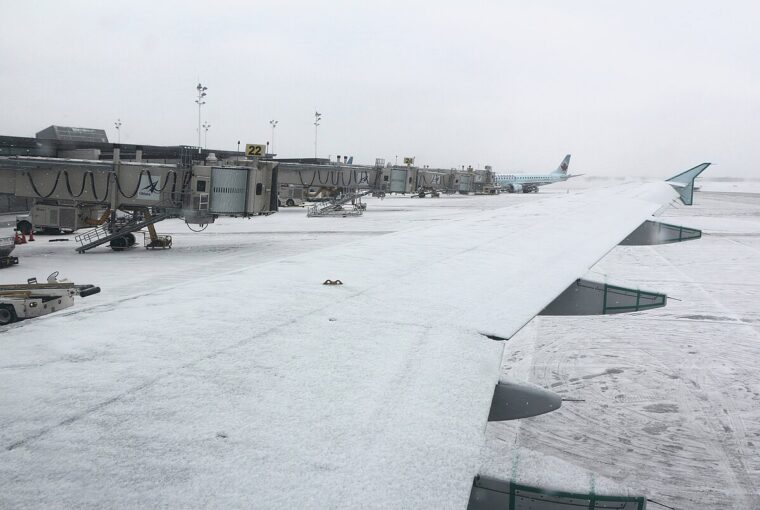
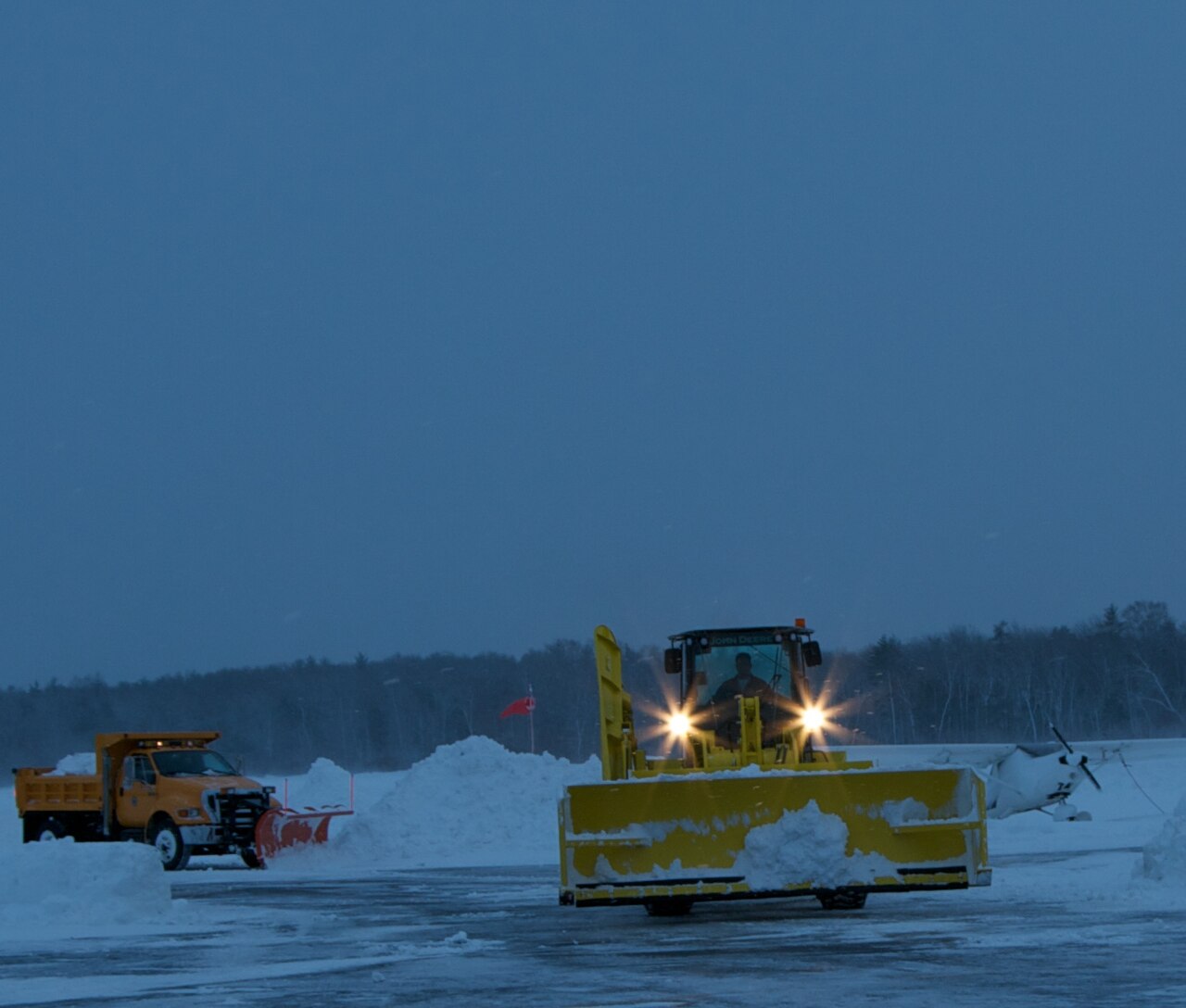
Representative photo showing the operational reality of winter weather at airports, highlighting the necessity of maintenance crews during the seasonal pivot. Photo: MassDOT / Wikimedia Commons · Public domain. Resized for display. Sources checked October 30, 2026.
Advertisement · From our publishing familyDiscover something new ↗