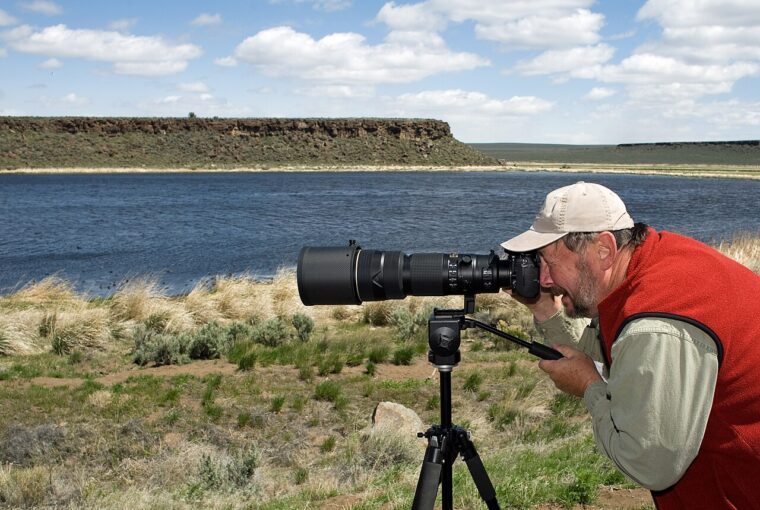
November marks a pivotal transition for the traveling photographer. As daylight hours shorten and the landscape shifts toward winter, the logistical requirements for documenting these changes become increasingly complex. Moving professional-grade optics and sensitive camera bodies through modern transit hubs requires more than just a well-packed bag; it demands a rigorous, research-based approach to security regulations and equipment protection. This framework outlines how to navigate the transit phase of your November photography trip, ensuring your gear arrives intact and compliant with current safety protocols.
Navigating Airport Security with Professional Optics
The transit phase is arguably the most vulnerable period for photographic equipment. According to the Transportation Security Administration (TSA), the foundation of a smooth security experience is preparation. For the photographer, this begins with the “empty bag” strategy. Before packing your optics, ensure your carry-on is completely clear of prohibited items from previous trips. This is not merely a suggestion but a critical step in avoiding security delays that can lead to rushed handling of fragile lenses and bodies.
When traveling with specialized gear, you must also be mindful of the regulatory specifics regarding liquids. Many photographers carry lens cleaning solutions, sensor cleaning kits, or chemical-based anti-fog treatments. Under current rules, all liquids, aerosols, and gels packed in carry-on bags must be 3.4 ounces (100 mL) or less. If your cleaning supplies exceed this limit, they must be placed in checked baggage. Furthermore, lithium-ion batteries—which power your camera bodies, flashes, and external monitors—are subject to strict safety regulations. While generally required in carry-on baggage, it is essential to verify the specific capacity limits with your airline, as these can vary. For a broader understanding of how these logistical realities fit into your seasonal travel, consult our guide on Navigating Late-Autumn Travel: Logistics and Ethics.
The Logistics of Managing Fragile Gear in Transit
Once you are in the terminal, the physical handling of your gear becomes the primary concern. Temperature fluctuations during travel—from the cabin pressure of an aircraft to the cold, damp conditions often found in November destinations—can impact optical glass and electronic components. It is vital to allow your equipment to acclimate to ambient temperatures before removing it from its protective case upon arrival. This prevents condensation, which can damage delicate internal mechanisms.
If you must check any portion of your equipment, the choice of storage is paramount. Use only TSA-recognized locks on your checked luggage. These locks allow security officers to inspect your baggage using universal master keys, ensuring that your hard-shell cases are not damaged during routine screenings. When selecting a case, prioritize those that are crush-proof and water-resistant. For more on the physical maintenance of your equipment in the field, see our research on Protecting Camera Gear in Changeable Weather. Remember that while technology enables electronic screening of bags without opening them, physical inspections remain a possibility. Packing your gear in a way that allows for easy visual inspection by security personnel can significantly reduce the risk of mishandling.
Regulatory Compliance and Documentation Strategy
The ultimate goal of your transit planning is to ensure you can document the landscape upon arrival. The National Park Service (NPS) notes that photography is an essential part of park history, helping to show why special places need protection. By preparing your gear correctly, you are ensuring that you can participate in this tradition of preservation. However, this participation requires adherence to both security regulations and park-specific guidelines.
When traveling, keep your critical travel documents—including proof of ownership or insurance for high-value optics—available offline. If you are traveling internationally, ensure your gear is registered with customs if required by your destination’s regulations. This documentation can be the difference between a seamless entry and a significant logistical delay. By treating the transit of your camera equipment with the same level of seriousness as your itinerary planning, you ensure that your focus remains on the landscape, not on the logistics of your gear.
Logistics Checklist for November Photography Transit
- Battery Management: Consolidate all lithium-ion batteries into your carry-on bag. Check airline-specific capacity limits before departure.
- Liquid Compliance: Ensure all lens cleaning solutions and chemical sprays are 3.4 ounces (100 mL) or smaller if they are in your carry-on.
- Security Preparation: Use only TSA-recognized locks on all checked cases to facilitate inspection without damaging the hardware.
- Acclimation Protocol: Upon reaching your destination, allow gear to reach ambient temperature inside its case before use to prevent condensation.
- Documentation: Keep digital or physical copies of insurance and ownership records for high-value lenses and bodies accessible during transit.
Note: This research-based guide was prepared with AI assistance. No site visits or hands-on testing were conducted for this article.
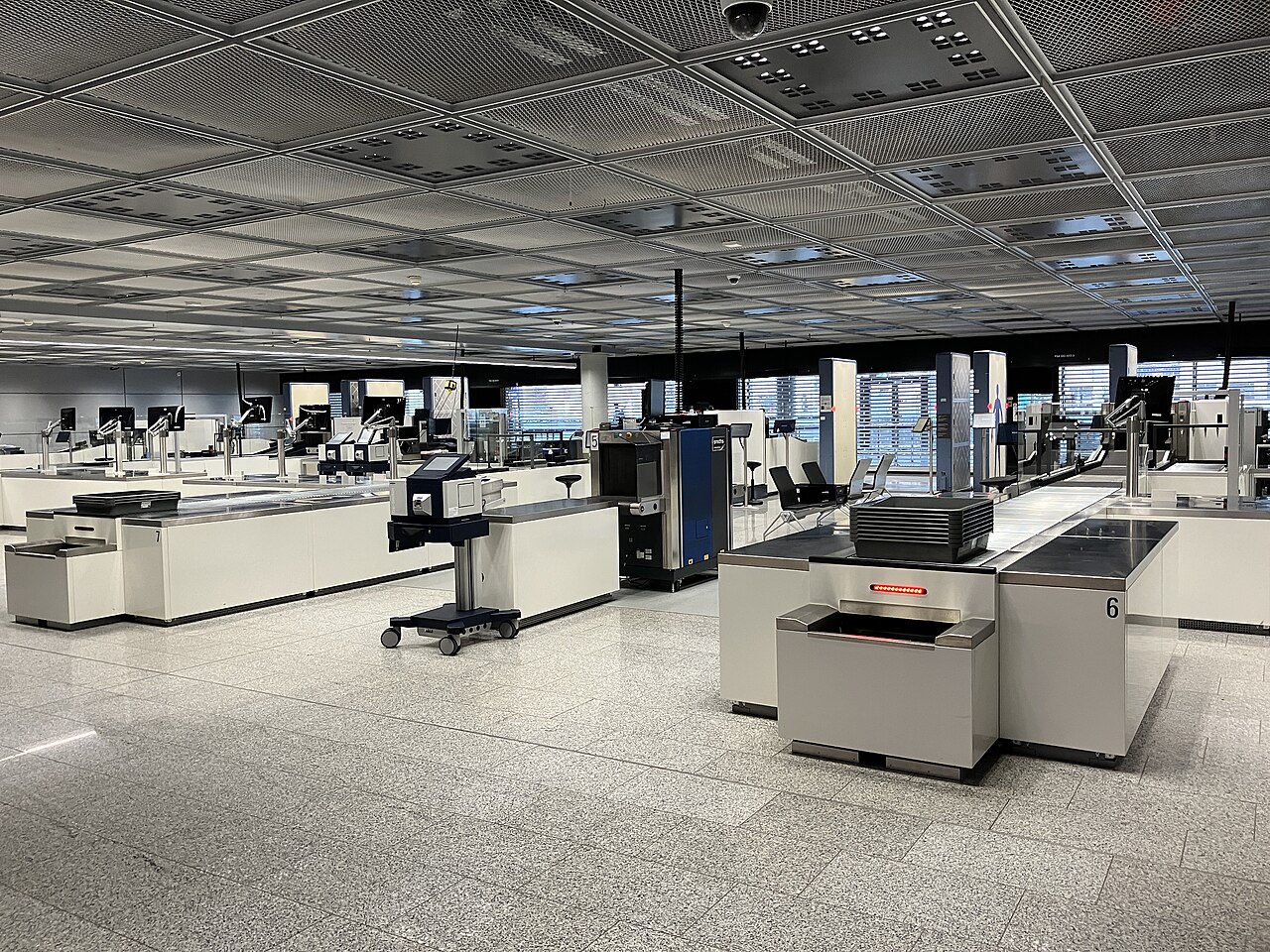
Representative photo; the image depicts an airport security checkpoint, illustrating the environment where photographers must navigate regulations and handle sensitive gear during transit. Photo: Erica Fischer / Wikimedia Commons · CC BY 2.0. Resized for display. Sources checked November 5, 2026.
Advertisement · From our publishing familyDiscover something new ↗