November occupies a unique position in the cultural calendar. For the strategic traveler, the period between the peak summer rush and the holiday season offers a rare, quieter window to engage with major collections. However, this shoulder season is also a time of operational transition for many institutions. As museums prepare for year-end maintenance and adjust staffing levels, the logistical requirements for a successful visit become more complex. Rather than approaching a museum visit as a passive activity, the seasoned traveler treats it as an operational project requiring the same level of preparation as an international flight.
The November Operational Pivot
The most common failure in late-autumn cultural travel is the assumption that a museum’s operating status remains static throughout the month. In reality, November is a period of internal realignment for many world-class institutions. As noted in the Musée du Louvre visitor guidelines, the institution maintains a rigorous schedule of room closures due to ongoing renovations. These closures are not merely inconveniences; they are operational realities that can fundamentally alter the value of a planned visit if they are not verified in advance.
Similarly, the National Gallery in London explicitly advises visitors to check the website for specific room closures or early closing times, such as the note regarding the east wing closing early on November 17. These operational shifts are often communicated only days or weeks in advance. A robust November strategy requires a “pre-flight” check 48 hours before your arrival. Relying on printed guidebooks or outdated online forums is a significant risk; instead, verify the status of specific collections or galleries directly on the institution’s official “Plan Your Visit” portal.
Furthermore, consider that November often sees the introduction of new seasonal exhibitions. While these can be highlights, they frequently require advanced time-slot bookings. As detailed in The November Museum Strategy: A Planning Framework, the ability to secure these slots is a primary logistical gate that must be cleared before any other travel arrangements are finalized.
Security and Transit: Pre-Entry Logistics
The security protocols governing museum entry in 2026 have evolved to mirror the rigor of transit hubs. For the traveler, this means that the security screening at a museum entrance is not a separate event from your airport transit; it is a continuation of the same logistical discipline. The Transportation Security Administration (TSA) emphasizes the importance of traveling with an empty bag to avoid carrying prohibited items, a principle that applies equally well to museum visits. Many major museums now enforce strict bag size policies—the National Gallery, for instance, restricts wheeled luggage and cabin bags, and encourages visitors to bring minimal items.
When planning your transit to a museum, view the journey through the lens of efficiency. If you are arriving from an airport, do not assume your carry-on luggage can be checked at the museum’s cloakroom. Many institutions have specific size limits, such as 56 x 25 x 45 cm, and wheeled suitcases are frequently prohibited. By treating your museum day as a transit-heavy experience, you can mitigate the risk of being turned away at the door. If you are carrying camera gear or specialized equipment, review the specific photography policy of the institution—many museums allow non-commercial photography but have strict prohibitions against tripods or flash, which can disrupt the flow of your visit if you are unprepared.
Building a Resilient Cultural Itinerary
A successful November museum day is built on the foundation of a “resilient itinerary.” This means leaving room for the unexpected, whether it is a sudden room closure or a change in transit conditions. As discussed in Mastering Museum Logistics: An Autumn Planning Guide, the goal is to reduce daily backtracking and maximize the time spent within the gallery walls.
Consider these strategic steps for your 2026 November planning:
- The 48-Hour Audit: Verify opening hours, specific room closures, and exhibition availability two days before your planned visit.
- Entrance Selection: Do not assume the main entrance is the only or most efficient entry point. The Louvre, for example, suggests the Carrousel or Porte des Lions entrances at peak times, provided you have pre-booked tickets.
- Accessibility Planning: If your visit requires accessibility support, such as Blue Badge parking or step-free access, contact the institution beforehand. The National Gallery, for instance, requires advance booking for specific parking spaces. Never assume that accessibility features are universally available without verification.
- The “Open Day” Principle: Never pack a museum day with back-to-back commitments. If you are spending a week in a city, dedicate one day to the museum and leave the following day open to digest the experience or to accommodate any shifts in the schedule.
By applying these logistical frameworks, you transform your November museum visit from a passive sightseeing activity into a curated, well-managed cultural engagement. The key is to treat the institution not just as a destination, but as an operational environment that responds to the same seasonal pressures as your own travel plans.
Note: This is a research-based guide prepared with AI assistance and that no visit or hands-on test was conducted. Always consult official museum and security websites for the most current information before finalizing your travel plans.
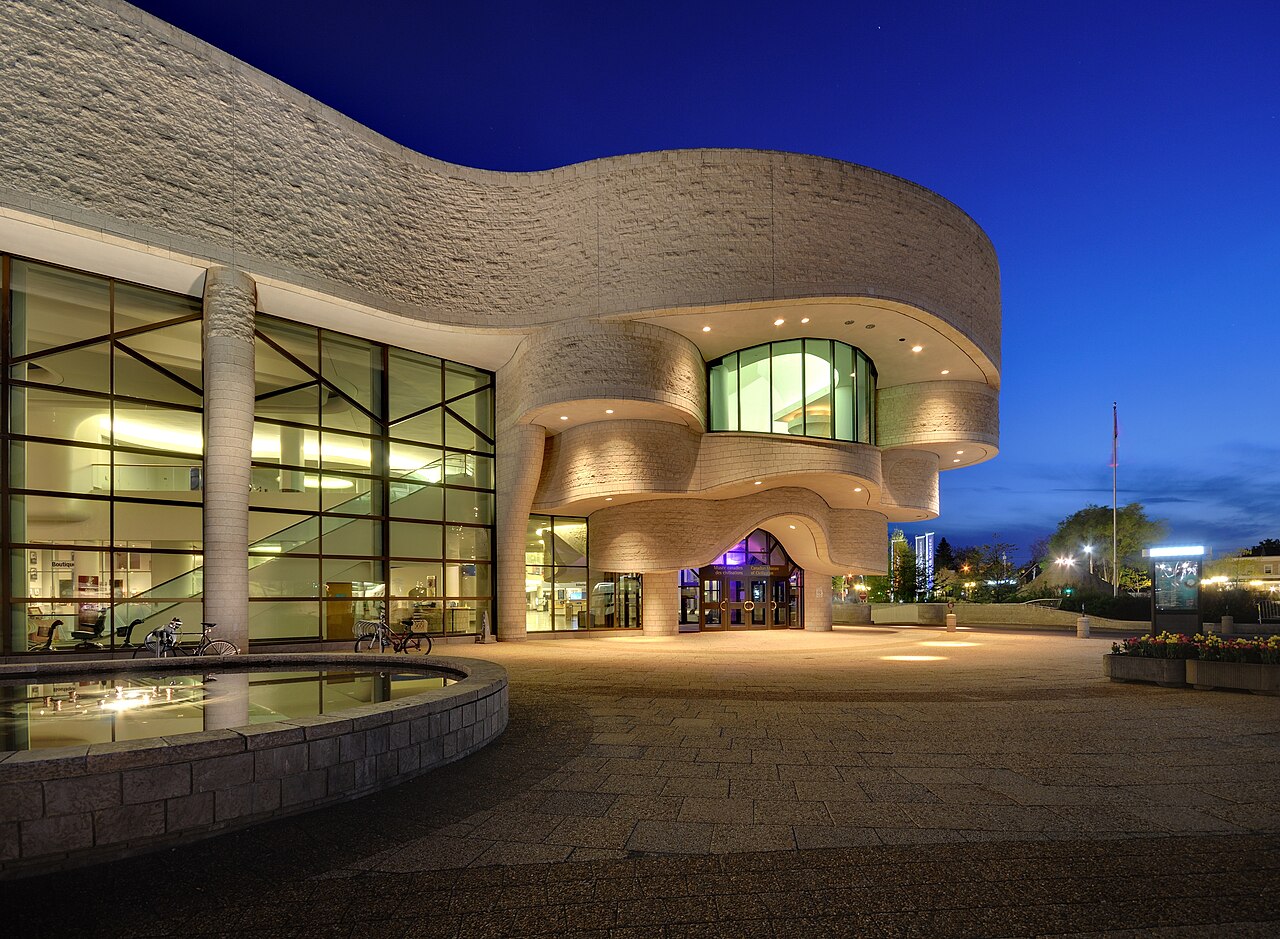
Representative photo showcasing a museum exterior entrance, emphasizing strategic access and operational planning discussed in the article. Photo: Wladyslaw / Wikimedia Commons · CC BY 3.0. Resized for display. Sources checked November 3, 2026.
Advertisement · From our publishing familyDiscover something new ↗