Note: This is a research-based guide prepared with AI assistance; no visit or hands-on test was conducted.
For the discerning traveler, November represents a distinct operational pivot in the global cultural calendar. As the high-volume tourism of summer and early autumn subsides, major cultural institutions often shift their focus toward essential facility maintenance, structural renovations, and long-term research projects. While this period frequently results in smaller crowds, it introduces a higher probability of unexpected room closures, modified visitor flows, and updated operational protocols. A successful November cultural itinerary requires more than just a list of desired masterpieces; it demands a logistical framework that accounts for the reality of institutional upkeep and the nuances of off-season site management.
The Reality of Seasonal Institutional Maintenance
The most common pitfall for the November traveler is the assumption that every gallery listed on a museum’s website is open to the public. Major institutions frequently utilize the quieter late-autumn months to perform vital conservation work and structural improvements. For instance, the National Gallery in London explicitly advises visitors that, as they carry out building work and improvements, some rooms will be closed and specific paintings may be relocated to protect them. Similarly, the Musée du Louvre maintains an active schedule of room closures due to ongoing renovations. Ignoring these notices can lead to significant disappointment upon arrival.
Before finalizing any travel dates, it is imperative to cross-reference your itinerary with the institution’s official “visiting” or “current status” pages. If your trip is built around a specific collection, verify that the collection is not part of a current rotation or conservation project. Travelers should view these maintenance notices not as static warnings, but as dynamic indicators of the museum’s commitment to long-term preservation. By treating the museum as a living, breathing facility rather than a static display case, you can adjust your expectations and itinerary accordingly, perhaps prioritizing other galleries or temporary exhibitions that are fully accessible during your visit.
Refining Your Access and Ticketing Strategy
In addition to maintenance-related closures, the logistics of entry have become increasingly complex. Many museums now require, or at least strongly recommend, time-slotted bookings even for general admission. The National Gallery encourages visitors to book free tickets for fast-track entry, which also serves to provide key information and updates regarding room closures. The Louvre, meanwhile, uses specific entrance protocols; visitors are reminded that access can be restricted due to external events, such as planned protests, and that having a valid, time-stamped ticket is essential for entry. Travelers should view these ticketing systems not merely as a barrier to entry, but as a communication channel between the institution and the guest.
When planning your museum district day, prioritize booking these slots as early as possible to ensure you are notified of any sudden changes to opening hours or entrance procedures. Furthermore, travelers should be aware of pricing structures, such as the distinction between EEA and non-EEA visitor rates at the Louvre, which can impact the total cost of a multi-museum itinerary. As noted in our guide on strategic museum logistics, the key to a successful visit is treating the museum as a living, breathing facility rather than a static display case. By building a flexible itinerary that includes a ‘rainy-day’ version of your plan and allowing for the possibility that a specific gallery might be closed, you transform a potential travel disruption into a manageable logistical detail.
Optimizing the On-Site Experience and Accessibility
Once inside, the November visitor should manage their expectations regarding amenities and pacing. Maintenance seasons can sometimes affect the availability of cloakrooms, cafes, and specific accessibility features. For example, while the National Gallery offers a cloakroom service at a cost of £3 per item, it is important to understand size restrictions for bags, as wheeled luggage and large suitcases are generally prohibited. Accessibility remains a critical consideration; travelers should proactively verify the availability of specific facilities. At the National Gallery, for instance, Changing Places toilet facilities are available on the ground floor of the RCCL and the Sainsbury Wing. While these require a radar key for entry, the institution explicitly states that staff can provide a key, ensuring that visitors who do not carry their own are still accommodated.
Always check the floorplan on the day of your visit, as even a short-term closure can significantly alter the most efficient route through the collection. If you are traveling with mobility equipment or require specific support, reach out to the museum’s visitor services team in advance. Many institutions provide detailed accessibility information that is not immediately obvious on the main landing page, including elevator maintenance schedules or alternative entrance routes. By taking these steps, you ensure that your visit is defined by the art you see rather than the logistical hurdles you encounter.
November Museum Planning Checklist
- Verify Status: Check the museum’s website for specific room closures, maintenance notices, or special event alerts at least 48 hours before your visit.
- Secure Entry: Book time-slotted tickets in advance, even if admission is free, to receive automated updates on operational changes.
- Measure Your Gear: If you are carrying a bag, check the institution’s specific dimensions for cloakroom storage; avoid bringing large or wheeled luggage.
- Identify Entrances: Confirm which specific entrance is designated for your ticket type, as major museums often separate general admission, groups, and membership holders.
- Accessibility Audit: If you require specific accessibility services, such as Changing Places toilets or elevators, call the museum’s visitor services line to confirm their status and specific access procedures for your date.
- Build Flexibility: Always have a secondary “rainy-day” itinerary or an alternative museum nearby in case of unexpected closures or capacity issues.
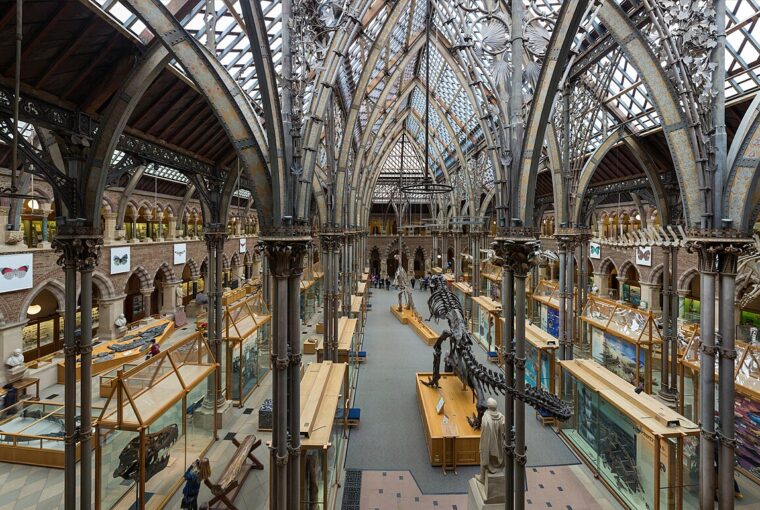
Representative photo. This historic depiction of a gallery illustrates the density and complexity of museum collections, underscoring the importance of strategic planning and checking for specific room closures during off-season maintenance periods. Photo: anonymous / Wikimedia Commons · Public domain. Resized for display. Sources checked October 30, 2026.
Advertisement · From our publishing familyDiscover something new ↗