Note: This is a research-based guide prepared with AI assistance; no physical visit or hands-on test was conducted.
For the dedicated art traveler, the month of November represents a distinct operational window. As the summer tourism surge subsides and the pre-holiday peak has yet to arrive, many of the world’s most significant cultural institutions enter a period of internal transition. This season is frequently utilized by museums for necessary maintenance, structural renovations, and the re-hanging of permanent collections. While this makes for a quieter, more contemplative experience, it also introduces a specific risk: the possibility of finding entire galleries closed or masterpieces temporarily relocated for conservation. Understanding how to navigate these logistics is essential for a successful, art-focused trip.
The November Operational Pivot
The transition into late autumn is a prime time for institutions to address facility requirements that cannot be completed during high-traffic months. The National Gallery in London, for example, explicitly advises that they are undertaking vital building work and improvements, noting that some rooms will be closed and paintings moved to protect them. Similarly, the Musée du Louvre maintains a regular schedule of room closures due to renovations, urging visitors to check their status before arrival. The lesson for the traveler is clear: never assume that a permanent collection is fully available simply because the institution is open. Before finalizing travel dates or purchasing tickets, travelers must treat the museum’s website as a live document. If you are traveling to see a specific artist or a particular masterpiece, this pre-visit verification is not an optional administrative step; it is the foundation of your entire itinerary.
When planning, it is helpful to cross-reference the museum’s operational calendar with the broader context of the destination. Many sites of cultural significance are part of the UNESCO World Heritage List, and while these sites are protected, their management plans often necessitate seasonal closures or restricted access to preserve the integrity of the architecture. A proactive traveler does not just check the museum’s hours; they check the museum’s operational status for the specific dates of their visit.
Aligning Transit and Security Logistics
Museum logistics are inextricably linked to broader travel security protocols. Major museums like the National Gallery require visitors to bring minimal items, with strict policies regarding bag sizes—often prohibiting wheeled luggage entirely. These institutional requirements align with broader air travel security advice. The Transportation Security Administration emphasizes the importance of ‘packing smart,’ starting with an empty bag to avoid carrying prohibited items through checkpoints. By adopting a minimalist packing philosophy for your entire trip—not just your flight—you simplify the transition from airport security to museum entrance.
Travelers should aim to travel with minimal bags, as this reduces the time spent at cloakrooms and ensures that security screenings at museum entrances remain efficient. If you are planning a trip, consider the advice in our Navigating Late-Autumn Travel: Logistics and Ethics guide, which highlights the importance of aligning your transit habits with the operational realities of your destination. When you arrive at a museum with a large bag, you are not just inconveniencing yourself; you are creating a logistical bottleneck at the entrance that can be avoided with better planning.
A Framework for Resilient Itineraries
A successful museum-centered trip requires a proactive planning framework. Rather than building a rigid schedule, consider the strategy outlined in our Strategic Museum Logistics: A Late-Autumn Planning Guide. This approach suggests building flexibility into your itinerary to account for unexpected closures or slower movement through galleries. When planning your visit, incorporate the following steps to ensure resilience:
- Verify Before You Book: Check the museum’s website for ‘room closure’ or ‘renovation’ notices at least one month before your departure. If a specific painting is the primary reason for your visit, verify its current location. If it is being moved, adjust your trip dates accordingly.
- Respect the Cloakroom: Assume you will need to check your bag. Plan your day so that you are not carrying heavy gear that will be rejected at the door. If you are traveling with equipment, verify the museum’s specific bag size policy (e.g., the National Gallery accepts bags up to 56 x 25 x 45 cm).
- Utilize Digital Resources: Many museums now offer online collections and virtual tours. If a room is closed, use these resources to study the works before or after your visit to maintain the educational value of your trip.
- Build an ‘Open Day’: Treat arrival and departure days as real days, but ensure your weeklong itinerary includes at least one ‘open day’—a day with no fixed bookings. If a museum is closed due to an unexpected issue, you have the flexibility to move your visit to this buffer day without collapsing your entire schedule.
By treating museum logistics as a core component of your travel strategy—rather than an afterthought—you can ensure that your late-autumn cultural explorations are both productive and stress-free. The goal is to move beyond the checklist and engage with the collection on its own terms, respecting the operational realities that keep these treasures safe for the future.
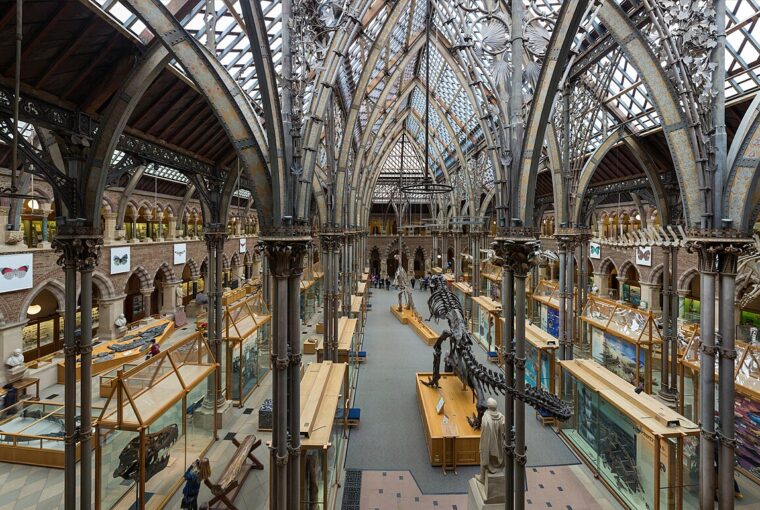
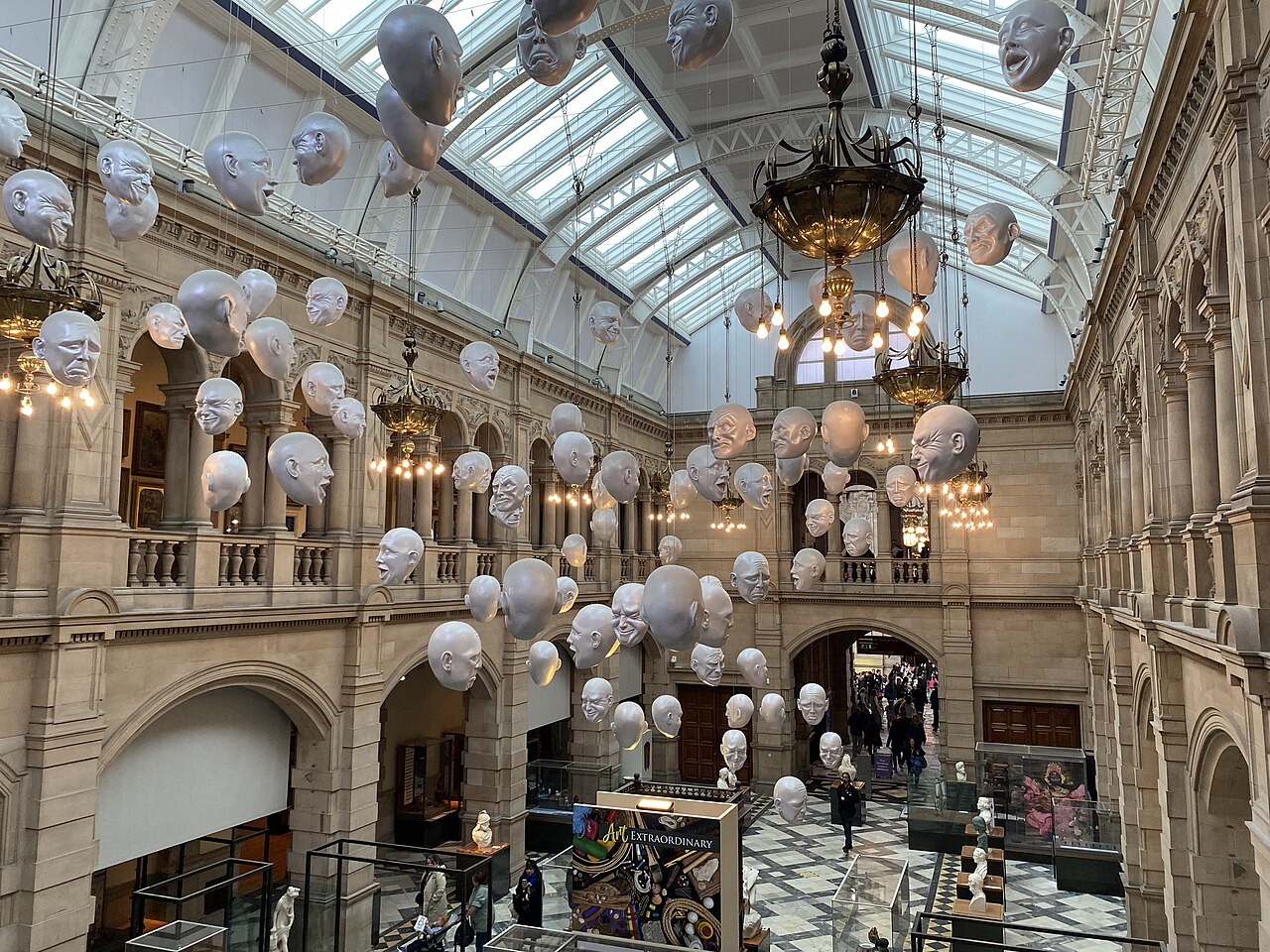
Representative photo: A large museum gallery space illustrates the scale and complexity of cultural institutions that require careful logistical planning for visitors. Photo: 瑞丽江的河水 / Wikimedia Commons · CC BY-SA 4.0. Resized for display. Sources checked October 27, 2026.
Advertisement · From our publishing familyDiscover something new ↗